2320 Nowata Pl, Bartlesville, OK 74006

A Dentist’s Guide to a 2-Minute Flossing Routine for Busy Professionals
Request Appointment

Busy schedules often leave little room for detailed self-care routines. For many professionals, flossing is one of the first habits to be skipped—not due to lack of awareness, but due to lack of time.
From a clinical standpoint, dentists frequently see patients who understand the importance of flossing but struggle with consistency. Many individuals searching for a dentist near me express similar concerns: balancing a hectic lifestyle with proper oral hygiene.
The good news is that flossing does not need to be time-consuming or complicated. With the right approach, tools, and routine, maintaining oral health can take as little as two minutes a day.
Meet Our Dentist

Dr. Andrew M. Noble is a compassionate and highly skilled dentist at Bartlesville Dental Studio, known for his patient-first approach and gentle care. With advanced training in dental implants, cosmetic dentistry, and restorative treatments, he delivers modern, personalized solutions tailored to each patient. Dr. Noble is dedicated to creating a comfortable, stress-free experience while helping patients achieve healthy, confident smiles.
Why Flossing Matters More Than You Think
Brushing alone cannot clean the spaces between teeth. These areas are where plaque, food debris, and bacteria accumulate—leading to long-term dental issues.
What Happens When Flossing Is Skipped?
| Issue | Impact on Oral Health |
|---|---|
| Plaque buildup | Leads to tartar and decay |
| Gum disease | Causes inflammation and bleeding |
| Cavities | Develop between teeth |
| Bad breath | Persistent odor due to trapped bacteria |
Dentists consistently emphasize that skipping flossing is not saving time—it often leads to more time spent on dental treatments later.
The Real Challenge: Time and Convenience
Many patients searching for a dentist near me admit that flossing feels:
- Time-consuming
- Inconvenient
- Difficult to perform correctly
This is why modern dentists recommend flexible, efficient solutions rather than rigid routines.
Smarter Flossing: A Practical Approach
Flossing does not have to follow a one-size-fits-all method. The key is choosing tools and techniques that align with your lifestyle.
Core Principle
Consistency matters more than perfection.
Even a quick, effective flossing routine can significantly improve oral health when done daily.
The 2-Minute Flossing Toolkit Recommended by Dentists
Modern tools are designed to make flossing faster, easier, and more accessible.
Water Flosser: Fast and Effective
A water flosser uses a stream of water to remove plaque and debris.
Benefits
- Cleans in under a minute
- Gentle on sensitive gums
- Ideal for braces or dental work
- Requires minimal effort
Best For
- Busy individuals
- Patients with sensitive gums
- Those who dislike traditional floss
Floss Picks: Quick and Portable
Floss picks are pre-threaded tools designed for convenience.
Benefits
- Easy to use
- Portable and travel-friendly
- Ideal for quick clean-ups
Best For
- On-the-go professionals
- Beginners learning how to floss
- Post-meal cleaning
Traditional Floss: Maximum Control
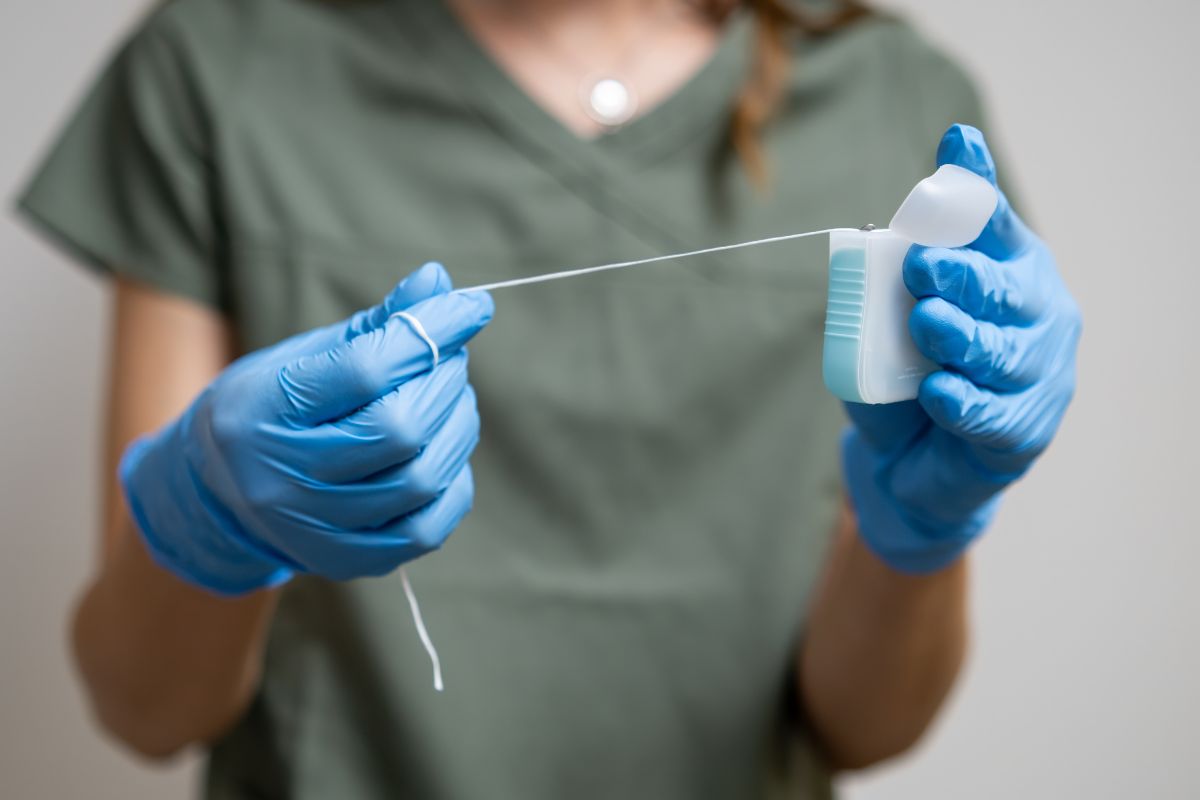
While slightly more time-consuming, traditional floss offers precise cleaning.
Benefits
- Reaches tight spaces
- Allows full control of technique
- Highly effective when used correctly
Comparison of Flossing Tools
| Tool Type | Speed | Ease of Use | Best Use Case |
|---|---|---|---|
| Water Flosser | Very fast | Very easy | Daily quick routine |
| Floss Picks | Fast | Easy | Travel and convenience |
| Traditional Floss | Moderate | Moderate | Thorough cleaning |
A dentist may recommend combining tools for optimal results.
The 2-Minute Flossing Plan
A structured yet flexible routine can help build consistency without adding stress.
Step 1: Choose the Right Tool
Select a method that fits your lifestyle:
- Water flosser for speed
- Floss picks for convenience
- Traditional floss for precision
Step 2: Focus on Proper Technique
Technique is more important than duration.
Dentist-Recommended Technique
- Use a gentle sawing motion
- Avoid snapping floss into gums
- Curve floss into a “C” shape around each tooth
- Slide up and down along the tooth surface
- Reach just below the gumline
Step 3: Time It Strategically
Floss once daily, preferably at night.
Why Nighttime Matters
- Removes food particles before sleep
- Reduces overnight bacterial growth
- Supports gum health
Step 4: Pair Flossing with Existing Habits
Habit stacking increases consistency.
Examples
- Floss after brushing
- Floss while waiting for coffee
- Floss during skincare routines
Step 5: Keep Tools Visible and Accessible
Accessibility drives habit formation.
Where to Keep Flossing Tools
- Bathroom counter
- Desk drawer
- Car console
- Travel kit
Step 6: Make It Rewarding
Small rewards reinforce consistency.
- Track progress on a calendar
- Notice the fresh, clean feeling
- Set weekly goals
Common Flossing Mistakes Dentists See
Even patients who floss regularly may not be doing it correctly.
Mistakes to Avoid
- Using too much force
- Skipping hard-to-reach areas
- Flossing inconsistently
- Rushing without proper technique
A dentist near me can demonstrate proper flossing during a routine visit.
Is Flossing Really Necessary?
This is one of the most common questions dentists hear.
Short Answer: Yes
Flossing is essential because:
- It removes plaque where brushing cannot
- It prevents gum disease
- It reduces the risk of cavities
- It improves overall oral hygiene
Skipping flossing can lead to long-term dental problems that require more extensive treatment.
Long-Term Benefits of Daily Flossing
Patients who maintain consistent flossing habits experience:
- Healthier gums
- Reduced bleeding and inflammation
- Fresher breath
- Fewer cavities
- Lower dental treatment costs
How Dentists Support Better Flossing Habits
Modern dentistry focuses on realistic, patient-friendly solutions.
What Dentists Provide
- Personalized tool recommendations
- Demonstrations of proper technique
- Preventive care strategies
- Routine monitoring of gum health
Patients searching for a dentist near me should look for professionals who prioritize education and practical solutions.
Flossing for Busy Professionals: A Mindset Shift
Flossing should not feel like a chore—it should be seen as a quick investment in long-term health.
Key Takeaways
- It takes only 2 minutes a day
- Modern tools simplify the process
- Small habits lead to big results
When to Seek Help from a Dentist
If any of the following symptoms are present, professional evaluation is recommended:
- Bleeding gums
- Persistent bad breath
- Gum sensitivity
- Food frequently gets stuck between teeth
A qualified dentist can identify underlying issues and provide guidance.
A Dentist’s Recommendation
Flossing does not need to compete with a busy schedule. With the right tools, techniques, and a simple routine, maintaining oral health can take just two minutes a day. Dentists consistently recommend focusing on consistency over perfection—because small daily habits create long-term results.
For those looking to improve their routine or searching for a reliable dentist near me, professional guidance can make flossing easier, more effective, and tailored to individual needs. Clinics like Bartlesville Dental Studio are dedicated to helping patients build sustainable oral care habits with personalized support.
Take the Next Step Toward a Healthier Smile
- Schedule a dental check-up to assess your gum health
- Get personalized recommendations for the best flossing tools
- Learn proper flossing techniques from experienced dentists
- Prevent future dental issues before they start
Book your appointment with Bartlesville Dental Studio today and take control of your oral health—one simple habit at a time.
FAQs
Q. How to Floss if You Have Crowded Teeth?
A: Dental floss tape can glide more easily between tight spaces if you have crowded teeth.
Floss harps – mall plastic tools with floss stretched between two prongs – make it easy to clean between teeth without putting your fingers in your mouth.
Q. How to Floss Teeth That are Hard to Reach?
A: Water flossers (oral irrigators) use a steady stream of water to flush out plaque and food particles between teeth. They’re a great option for those with tight teeth or anyone who finds traditional flossing challenging.
Q. Is a Water Flosser Better Than Floss?
A: Water flossers flush out plaque with a pressurized stream, while string floss scrapes it away. Water flossers may be better for braces or limited dexterity, but string floss can reach tighter spots. Choose what works best for you.