2320 Nowata Pl, Bartlesville, OK 74006

Main Reasons for a Root Canal: What You Should Know
Request Appointment

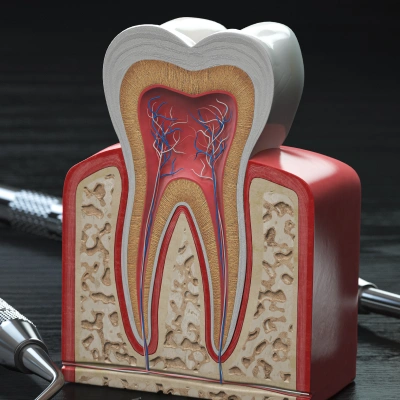
What are the main reasons for a root canal?
A root canal procedure is typically needed when the inner pulp of a tooth becomes inflamed or infected due to decay, damage, or trauma. Understanding the reasons for root canals can help you act early and save your natural tooth before more serious problems arise.
In this article, we’ll explore the main symptoms of a root canal, the conditions that lead to it, and what recovery looks like afterward. Drawing on insights from the American Association of Endodontists, this guide from Bartlesville Dental Studio will help you make informed choices about your oral health.
Main Reasons for Needing a Root Canal
1. Deep Tooth Decay
When untreated cavities reach the pulp, bacteria invade and cause infection. This is one of the most common root canal reasons dentists encounter. The root canal procedure helps prevent tooth extraction and restores function.
2. Repeated Dental Procedures
A tooth that undergoes several restorations or large fillings may develop irritation or inflammation of the pulp. Over time, it can lead to infection requiring canal root treatment.
3. Faulty Crown or Leaky Filling
A damaged or poorly sealed crown allows bacteria to seep in, resulting in pulp infection. This situation often requires RCT treatment to save the tooth before decay spreads.
4. Cracks or Chips in the Tooth
Even small cracks can expose inner tissue to bacteria. Without prompt RCT dental care, infection can spread rapidly, leading to pain and swelling.
5. Trauma or Injury
A blow to the mouth may damage pulp tissue even if no visible crack exists. The tooth may appear healthy, but it could need a root canal dental procedure to stop internal infection.
6. Silent or Symptom-Free Cases
Sometimes, infection develops without obvious pain. Dentists often find such root canal reasons during routine X-rays or checkups.
Why These Conditions Lead to Treatment
When the pulp becomes inflamed or infected, pressure builds inside the tooth, leading to root canal pain and possible abscesses. Without timely canal root treatment, infection can spread to the jawbone or other teeth.
Getting treated early ensures better root canal recovery and helps preserve your natural smile. Modern endodontic care not only reduces discomfort but also minimizes recovery time for root canal therapy.
Signs & Symptoms You Shouldn’t Ignore
Common root canal symptoms include:
- Sharp or throbbing toothache
- Prolonged sensitivity to hot or cold
- Swelling or tenderness around the gums
- A small pimple-like bump on the gums
In some cases, there are few visible symptoms of a root canal, which is why regular checkups are crucial. If you notice any of these symptoms of root canal infection, consult a dental professional promptly.
Prevention & When to See the Dentist
Preventing root canal dental issues begins with strong oral hygiene: brush twice daily, floss regularly, and schedule routine exams. Avoid repeated fillings on the same tooth and protect teeth from injury during sports.
If you experience persistent root canal pain, swelling, or sensitivity, visit your dentist right away. Early diagnosis leads to shorter recovery time after a root canal and better long-term outcomes.
Myths vs. Reality
Myth: Root canals are extremely painful.
Reality: Thanks to modern anesthetics and technology, RCT dental procedures are generally no more uncomfortable than getting a filling.
Myth: Root canals cause illness elsewhere in the body.
Reality: According to the American Association of Endodontists, there’s no scientific evidence supporting this claim. Root canal recovery is safe and predictable when performed by an experienced professional.
Conclusion
The main reasons for a root canal include deep decay, cracks, repeated dental work, trauma, and infection. Recognizing early root canal symptoms and seeking prompt care can save your natural teeth and prevent costly procedures later.
If you suspect you might need canal root treatment, contact Bartlesville Dental Studio today. Our experienced team offers gentle, precise RCT treatment to relieve pain and restore your smile, helping you get back to comfort and confidence faster.
FAQs
Q: Does a root canal hurt?
A: With modern anesthesia, root canal pain during treatment is minimal to none.
Q: How long is the recovery time after a root canal?
A: Most patients return to normal activities within a few days; full root canal recovery depends on your oral health.
Q: Can you still feel pain after a root canal?
A: Mild soreness is normal, but persistent pain could signal an underlying issue — contact your dentist promptly.