2320 Nowata Pl, Bartlesville, OK 74006

Can Dental Fillings Fall Out?
Request Appointment

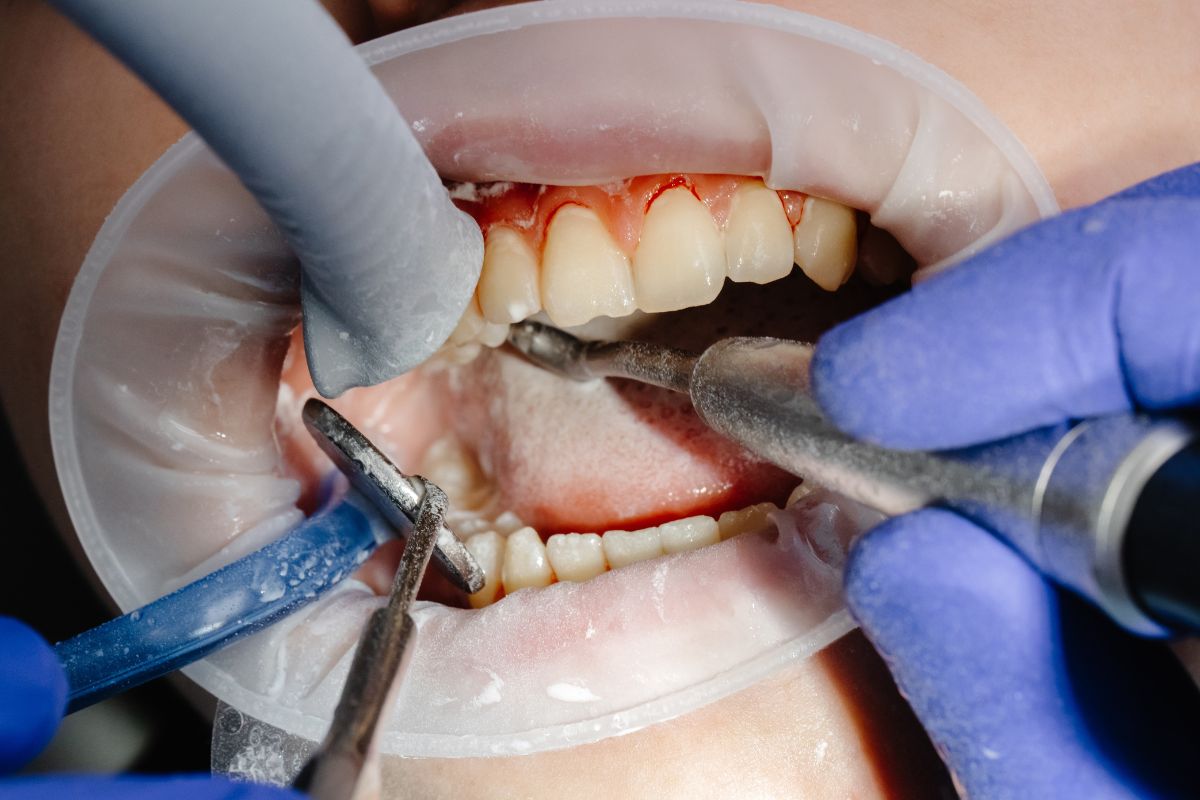
“Can dental fillings fall out?”
Yes — a filling in teeth can loosen or come out for several reasons, and this article explains exactly why it happens, what to do, how to prevent it, and when to see a dentist.
If you’re dealing with a dental filling that has fallen out or are worried about a tooth filling that has fallen out, this guide will walk you through causes, risks, solutions, and expert care options in Bartlesville.
This blog is created with insights from Bartlesville Dental Studio to help patients understand filling teeth, treatment steps, and when to visit a Bartlesville dentist.
Can Dental Fillings Actually Fall Out?
Yes — fillings dental restorations can fall out, especially if the tooth structure changes, the material wears down, or decay develops underneath. A typical tooth filling lasts several years, depending on the material used and overall oral hygiene habits.
How Often Do Fillings Fall Out?
Dental fillings don’t typically “fall out” often, but they can loosen or fail over time. On average, a tooth filling can last anywhere from 5 to 15 years, depending on the material used, your oral habits, and overall dental health.
Fillings may come loose due to tooth decay forming around the edges, chewing hard foods, teeth grinding (bruxism), or natural wear and tear. Poor oral hygiene can also weaken the bond between the filling and the tooth.
A dentist will usually check existing fillings during routine exams to ensure they remain intact. If a filling does fall out, it’s important to visit a dental clinic promptly to avoid sensitivity, infection, or further damage.
Regular checkups, good oral hygiene, and avoiding excessive pressure on teeth can significantly extend the life of your fillings.
Why Would a Filling Fall Out
1. New Decay Under or Around the Filling
Cavities can form again around a cavity filling if bacteria seep into microscopic gaps. Over time, this weakens the bond and leads to the filling falling out.
2. Poor Bonding or Improper Placement
If moisture contaminates the tooth during placement or bonding is not optimal, even high-quality dental cavity filling work may loosen sooner than expected.
3. Wear and Tear Over Time
Every day, chewing creates pressure. Natural aging of materials can weaken a filling in teeth, making it more likely to dislodge.
4. Teeth Grinding (Bruxism)
Grinding puts excessive force on dental fillings and restorations, causing cracks or loosening.
5. Trauma or Injury
A blow to the face or biting down on something hard may result in a tooth filling falling out incident.
6. Habits & Other Causes
Chewing ice, biting nails, or frequent temperature changes can stress a tooth filling, making it more likely to fail.
What to Do Immediately If a Filling Falls Out
If you experience a dental filling that has fallen out, emergency:
- Call your local provider: A dentist in Bartlesville, like Bartlesville Dental Studio, can assess the tooth quickly.
- Keep the filling if possible—it helps your dentist evaluate the damage.
- Rinse with warm salt water to reduce bacteria.
- Avoid chewing on the affected side and stick to soft foods.
- Use temporary dental wax if needed until you reach a dentist in Bartlesville, OK.
- Manage discomfort with OTC pain relievers and cold compresses.
Risks and Complications of a Missing Filling
1. Higher Risk of Decay
A missing cavity filling exposes inner tooth layers to bacteria, leading to rapid deterioration.
2. Sensitivity and Discomfort
Hot, cold, or sweet items may irritate the tooth due to the missing dental cavity filling.
3. Tooth Fracture Risk
Without the support of a filling or tooth restoration, the tooth becomes structurally weaker.
4. Infection or Abscess
Delaying treatment after the filling falls out increases the risk of deep infection.
5. More Invasive Treatment Needed
A simple tooth filling may turn into a crown or root canal if ignored.
How Long Can You Wait to See a Dentist?
- Ideally, see a Bartlesville dentist as soon as possible.
- If there’s no pain, waiting 24–48 hours is usually manageable, but not ideal.
- Pain, swelling, or severe sensitivity mean you need a dentist in Bartlesville, OK, urgently.
How Dentists Fix a Fallen-Out Filling
Your dentist will:
- Examine the area and possibly take an X-ray.
- Remove any new decay.
- Replace the filling in teeth or recommend a more durable restoration.
- Discuss materials so your replacement filling teeth lasts long and fits naturally.
Local professionals such as those at Bartlesville Dental Studio have experience handling everything from a minor filling falling out to advanced restoration cases.
Prevention: How to Avoid Future Fillings Falling Out
To keep your fillings dental healthy and long-lasting:
- Maintain strong oral hygiene habits to protect every tooth filling.
- Visit your dentist in Bartlesville twice a year.
- Wear a night guard if you grind your teeth.
- Avoid chewing ice or very hard foods.
- Choose the right dental cavity filling material for your bite type and tooth location.
When to Talk to a Bartlesville Dentist
Seek help if you notice:
- Pain or sensitivity
- A visible gap
- Food getting stuck
- Cracked or loose material from a dental filling fell out situation
Conclusion
A tooth filling that fell out can be stressful, but with timely care, your tooth can be fully restored. Most dental issues are preventable with good oral hygiene, regular visits, and proper habits.
For trusted, expert-level dental care, reach out to Bartlesville Dental Studio—your reliable Bartlesville dentist for restoring fillings, preventing problems, and keeping your smile confident and healthy. Schedule your appointment today to protect your oral health.
FAQs
Q. Is it common for tooth fillings to fall out?
A: Yes, tooth fillings can fall out over time due to natural wear, new decay forming around the filling, or pressure from hard foods or accidental trauma.
Q. What is the life expectancy of a tooth filling?
A: Fillings typically last 7–20 years, depending on the material, size, tooth location, and oral care. Daily chewing forces also wear them down over time.
Q. How long can you go with a filling that fell out?
A: See a dentist within a few days—and right away if you have pain or swelling. A missing filling without pain isn’t an emergency, but delaying care can lead to decay, sensitivity, and more serious treatment later.
Q. What does it look like when fillings fall out?
A: Instead of a deep cleaning, focus on thorough daily brushing, consistent flossing, using an antibacterial mouthwash, choosing tooth-friendly foods, and keeping up with regular dental check-ups.