2320 Nowata Pl, Bartlesville, OK 74006

Why Dentists Don’t Recommend Brushing Teeth with Baking Soda Alone
Request Appointment

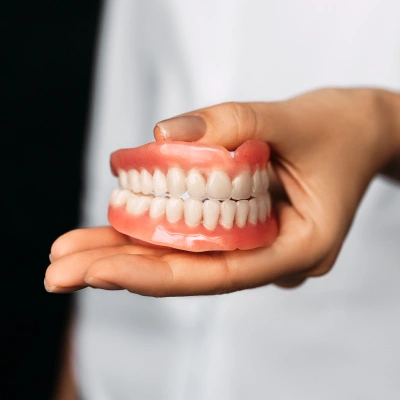
Yes, but brushing teeth with baking soda alone is not enough for complete oral care. While baking soda can help clean and slightly whiten teeth, it does not provide the full protection your teeth and gums need every day.
Many people search for natural alternatives like baking soda for teeth, especially when looking for ways to improve their smile at home. But before replacing your regular toothpaste, it’s important to understand what baking soda can—and cannot—do.
If you’ve ever wondered, “Can baking soda whiten teeth?” or searched for a dentist near me to ask about safe whitening options, this guide will give you clear, practical answers based on dental expertise.
At Bartlesville Dental Studio, patient education is a priority—helping individuals make informed decisions that protect long-term oral health.
What Is Baking Soda and Why Do People Use It for Teeth?
Baking soda, also known as sodium bicarbonate, is a mild abrasive commonly used in cleaning and personal care.
In oral care, it’s often used because it:
- Helps remove surface stains
- Neutralizes acids in the mouth
- Has mild antibacterial properties
This is why many people try brushing teeth with baking soda as a home remedy for cleaner, brighter teeth.
Can Baking Soda Whiten Teeth?
Yes—to a limited extent.
How Baking Soda Helps Whiten Teeth
Baking soda works by:
- Gently scrubbing away surface stains
- Removing plaque buildup
- Creating a cleaner tooth surface
This can make teeth appear whiter over time.
What It Cannot Do
However, baking soda does not:
- Change the natural color of your teeth
- Remove deep or internal stains
- Provide the same results as professional whitening
So while you may be able to whiten teeth with baking soda slightly, the results are usually mild and temporary.
Is It Safe to Brush Teeth with Baking Soda Every Day?
This is one of the most common questions dentists hear.
Short Answer: Not Recommended as Your Only Toothpaste
While baking soda is safe in small amounts, using it as your only cleaning method has limitations.
Concerns with Using Only Baking Soda
1. No Fluoride Protection
Fluoride is essential for:
- Strengthening enamel
- Preventing cavities
- Protecting against decay
Baking soda does not contain fluoride, which means it cannot protect your teeth the way regular toothpaste does.
2. Abrasiveness
Although mild, baking soda is still abrasive.
Frequent use may:
- Wear down enamel over time
- Increase tooth sensitivity
- Irritates gums if used aggressively
3. Limited Cleaning Power
Baking soda does not effectively remove all bacteria or plaque buildup, especially in hard-to-reach areas.
Because of these factors, most dentists do not recommend replacing your regular toothpaste with baking soda.
Baking Soda Toothpaste vs. Pure Baking Soda
Many modern toothpastes include baking soda as an ingredient.
Why Baking Soda Toothpaste Is Different
Baking soda toothpaste combines:
- Baking soda for cleaning
- Fluoride for protection
- Additional ingredients for gum health
This makes it a safer and more effective option than using baking soda alone.
If you’re interested in the benefits of baking soda, using a professionally formulated toothpaste is the better choice.
How to Use Baking Soda Safely for Teeth
If you choose to use baking soda for teeth, moderation is key.
Safe Usage Tips
- Use it occasionally (not daily)
- Mix with water to create a paste
- Brush gently—avoid scrubbing
- Rinse thoroughly afterward
Avoid using it as a replacement for your regular toothpaste.
Common Misconceptions About Baking Soda for Teeth
“It’s Natural, So It Must Be Safe”
Natural doesn’t always mean complete or effective.
While baking soda is safe in controlled use, it lacks essential ingredients for full oral care.
“It Can Replace Toothpaste”
This is not accurate.
Toothpaste is formulated to:
- Protect enamel
- Prevent cavities
- Support gum health
Baking soda alone cannot do all of these.
“It Whitens Teeth Quickly”
While it can help remove stains, it does not provide dramatic whitening results.
Patients often expect faster results than baking soda can deliver.
Better Alternatives for Whitening Teeth
If your goal is to improve your smile, there are more effective options.
Professional Whitening Treatments
A dentist near me can provide:
- Safe, controlled whitening
- Faster results
- Long-lasting improvements
Over-the-Counter Whitening Products
These include:
- Whitening toothpaste
- Strips
- Gels
Look for products approved by dental professionals.
Regular Dental Cleanings
Professional cleanings remove plaque and stains more effectively than home remedies.
The Role of a Dentist in Safe Teeth Whitening
A qualified dentist evaluates:
- The cause of discoloration
- The condition of your enamel
- The best treatment option
This ensures:
- Safe results
- Minimal sensitivity
- Long-term benefits
Searching for a dentist near me is the best step if you’re unsure about teeth whitening methods.
Daily Oral Care: What Actually Works
For strong, healthy teeth, consistency matters more than quick fixes.
Recommended Routine
- Brush twice daily with fluoride toothpaste
- Floss once a day
- Use mouthwash if recommended
- Maintain a balanced diet
- Visit your dentist regularly
This routine protects your teeth far better than relying on baking soda alone.
When Should You Avoid Baking Soda for Teeth?
Baking soda may not be suitable if you have:
- Sensitive teeth
- Gum irritation
- Enamel wear
- Ongoing dental issues
In these cases, consult a dentist before use.
Signs You Should See a Dentist
If you’re experiencing:
- Tooth sensitivity
- Yellowing that doesn’t improve
- Gum discomfort
- Persistent stains
It’s time to visit a dentist near me for professional advice.
Why Professional Guidance Matters
Oral health is not one-size-fits-all.
A trusted dentist will:
- Recommend safe treatments
- Help prevent long-term damage
- Provide personalized care
At Bartlesville Dental Studio, the focus is on helping patients achieve healthier smiles through informed decisions and proper care.
Baking Soda Has Benefits—But It’s Not Enough Alone
Brushing teeth with baking soda can help clean and slightly brighten your smile—but it should never replace regular toothpaste.
While it may assist in removing surface stains, it does not provide the full protection your teeth need.
For long-term oral health:
- Use fluoride toothpaste daily
- Maintain consistent oral hygiene
- Consult a dentist for whitening and care
If you’re considering switching to baking soda or looking for safe ways to whiten your teeth, schedule a consultation with Bartlesville Dental Studio today. A professional evaluation can help you choose the right approach for a healthier, brighter smile—without risking your enamel or gum health. Call 539-357-2392 to book a consultation with our dentist.
FAQs
Q. Can I brush my teeth with baking soda only?
A: No. Brushing teeth with baking soda removes surface stains but lacks fluoride for cavity protection and enamel strength. Dentists recommend it only occasionally, not as your sole toothpaste.
Q. Is brushing teeth with baking soda safe every day?
A: Not recommended as your only method. Daily use of pure baking soda can wear enamel and increase sensitivity. Use baking soda toothpaste with fluoride instead for safer daily brushing.
Q. Can baking soda whiten teeth?
A: Yes, mildly. Whiten teeth with baking soda by gently scrubbing surface stains from coffee or tea. It does not change natural tooth color or remove deep stains like professional whitening does.
Q. How often can I use baking soda for teeth?
A: Limit to 2–3 times per week. Mix with water, brush gently, and always follow with regular fluoride toothpaste. Overuse risks enamel wear.
Q. What are the risks of brushing teeth with baking soda alone?
A: No fluoride protection, possible enamel erosion, increased sensitivity, and limited plaque removal. Dentists advise against long-term daily use.