
2320 Nowata Pl, Bartlesville, OK 74006

How Long Does It Take to Get Used to Dentures?
Request Appointment

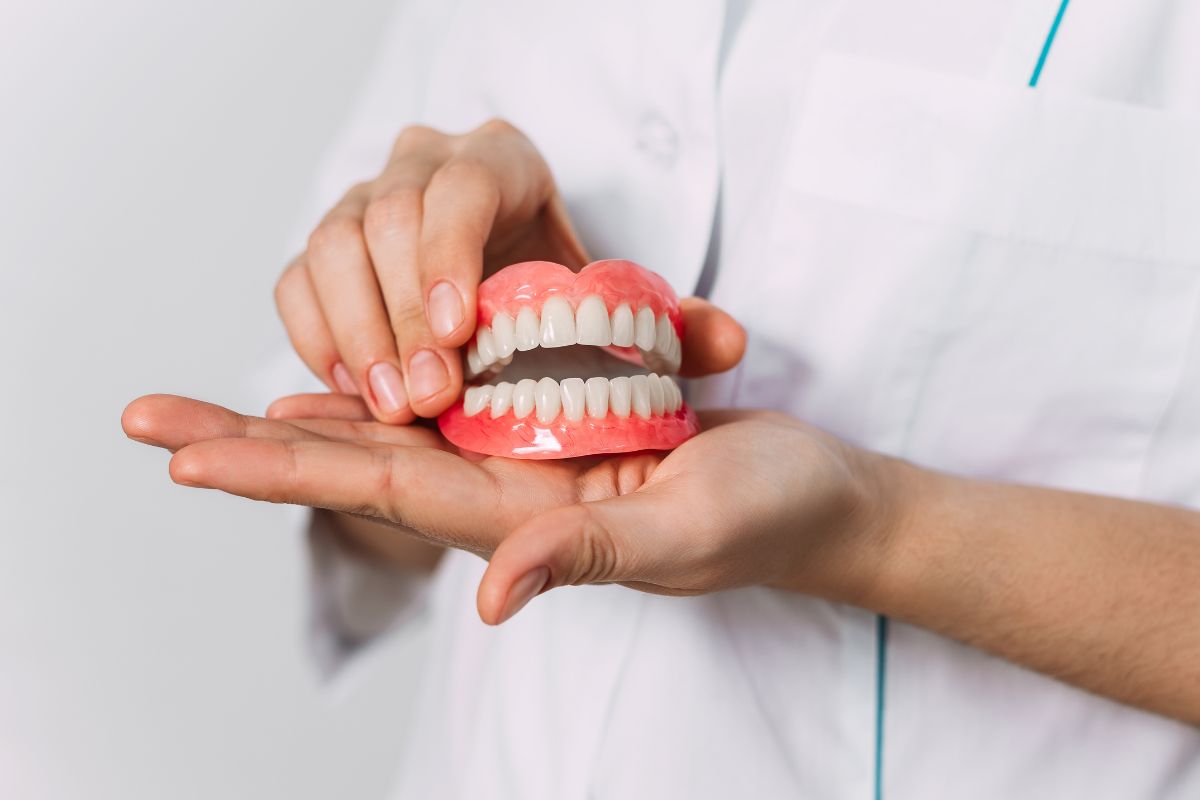
Getting new dentures can feel like a fresh start, especially if missing teeth have made eating, speaking, or smiling difficult. But the first few days with dentures may not feel as natural as you expected. You might notice extra saliva, slight soreness, changes in speech, or difficulty chewing your favorite foods.
So, how long to get used to dentures? For many people, the adjustment takes several weeks, although feeling fully comfortable can take longer. The experience depends on the type of dentures you wear, how well they fit, and how your mouth responds to them.
If you are exploring dentures in Bartlesville, understanding the adjustment process can help you know what to expect and when to ask your dentist for assistance.
Quick Answer: How Long Does It Take to Adjust to New Dentures?
Most people need several weeks to become more comfortable with new dentures. Speaking and eating may improve gradually as you practice, while complete adjustment can take a few months. Some initial soreness or increased saliva is common, but significant pain, persistent irritation, or dentures that repeatedly slip should be checked by a dental professional.
What to Expect During the Denture Adjustment Period
Adjusting to dentures is a gradual process. Your mouth needs time to adapt to a dental appliance that may feel unfamiliar at first.
The First Few Days
During the first few days, your dentures may feel bulky or strange. You might produce more saliva than usual, experience mild gum tenderness, or find that your tongue and cheeks need time to adapt.
Speaking and chewing can also require extra effort. These changes do not automatically mean your dentures are poorly made, but severe pain or areas of rubbing should not be ignored.
Follow your dentist’s instructions about wearing and cleaning your dentures. If they cause persistent discomfort, arrange an adjustment rather than trying to reshape them yourself.
The First Two to Four Weeks
As you continue wearing your dentures, everyday activities may begin to feel easier. You may notice improvements in pronunciation, chewing, and keeping the dentures comfortably positioned.
Your gums and the tissues inside your mouth can also change as they heal and adapt, particularly after tooth extractions. Follow-up appointments are important during this stage because small adjustments can help address pressure points and improve comfort.
After the First Month
Many people feel more confident with their dentures after several weeks. However, the timeline varies, and some people need additional time to adjust.
If your dentures still cause repeated soreness, make eating difficult, or move excessively when you speak, schedule a dental evaluation. You should not have to simply tolerate ongoing discomfort.
5 Tips to Get Used to Dentures Faster
Although everyone adjusts at a different pace, a few practical habits can make the transition easier.
1. Start With Soft Foods
Choose foods that require less chewing, such as scrambled eggs, yogurt, mashed potatoes, oatmeal, and soft-cooked vegetables.
Cut food into small pieces and chew slowly. Try to distribute food evenly on both sides of your mouth to help keep removable dentures stable.
As your confidence improves, gradually introduce firmer foods according to your comfort and your dentist’s advice. Avoid rushing into hard, sticky, or particularly chewy foods.
2. Practice Speaking Out Loud
New dentures can temporarily affect how you pronounce certain words. Sounds involving the tongue and front teeth may feel particularly unfamiliar.
Reading a book aloud, practicing conversations, or repeating difficult words can help you become more comfortable. Speaking slowly at first is fine. If your speech does not improve or your dentures move when you talk, ask your dentist to check their fit.
3. Follow Your Dentist’s Wearing Instructions
Your dentist will explain when to wear your dentures, whether they should be removed at night, and how to clean them.
Do not assume that wearing dentures continuously will speed up adjustment. Unless your dentist specifically instructs otherwise, removable dentures are generally taken out during sleep to give oral tissues a rest. Follow any individualized instructions provided after extractions or other procedures.
4. Keep Your Mouth and Dentures Clean
Clean your dentures daily using a denture brush and a cleaner recommended for your appliance. Ordinary toothpaste can be too abrasive for some dentures.
Also clean your gums, tongue, and the roof of your mouth gently. If you have partial dentures, pay particular attention to cleaning your remaining natural teeth.
Good oral hygiene helps keep your mouth healthy while you adapt to your new appliance.
5. Attend Follow-Up Appointments
Your dentures may need adjustments as your mouth adapts. A denture that presses against one area of your gums can cause a sore spot, even when the rest of the appliance fits reasonably well.
Your dentist can identify pressure points and determine whether an adjustment, relining, or another solution is appropriate. Never use household tools to modify dentures, and avoid applying adhesives to mask an unresolved fit problem without professional advice.
Why Do New Dentures Sometimes Feel Uncomfortable?
Several factors can affect how quickly you adjust to dentures:
- Fit and stability: Dentures that shift or press unevenly can make eating and speaking harder.
- Healing after extractions: Your gums need time to recover, and their shape may change during healing.
- Denture type: Full dentures, partial dentures, and immediate dentures can involve different adjustment experiences.
- Previous experience: Someone replacing an old set may find certain activities familiar but still need time to adapt to a new fit.
- Oral anatomy: The shape of your gums and jaw can influence how securely dentures stay in place.
If discomfort continues, a dental professional can assess the cause. Persistent problems may require a simple adjustment or a more involved change to the denture.
When Should You Contact Your Dentist?
Mild, short-term tenderness can occur as your mouth adapts, but ongoing or worsening pain deserves attention.
Contact your dentist if you experience:
- Pain that persists or becomes more severe.
- Sores, bleeding, or repeated irritation beneath your dentures.
- Dentures that frequently slip, click, or fall out.
- Difficulty eating enough food because of discomfort.
- Trouble speaking that does not gradually improve.
- Cracks, damage, or sudden changes in how your dentures fit.
Seek urgent dental or medical care if you develop significant swelling, fever with worsening oral symptoms, or difficulty swallowing or breathing. Breathing difficulty requires emergency medical attention.
Do not attempt to fix painful dentures by trimming them yourself. A professional assessment can help determine whether the problem involves fit, healing, or another oral health concern.
Are Dentures the Only Option for Replacing Missing Teeth?
Dentures are one way to replace missing teeth, but they are not the only option. Depending on your oral health, remaining teeth, preferences, and budget, your dentist may discuss partial dentures, full dentures, bridges, or dental implants.
If you are weighing your options, comparing dental implants vs dentures can help you understand differences in stability, maintenance, treatment requirements, and cost. Implants require a surgical procedure and are not suitable for every patient, while removable dentures may be a more appropriate choice for others.
The best option depends on an individual examination and discussion of your needs. Your dentist can explain the advantages, limitations, and expected maintenance of each approach.
Frequently Asked Questions
Can I eat normally with new dentures?
You can gradually return to a wider variety of foods as you become more comfortable. Begin with soft foods, cut meals into small pieces, and chew slowly on both sides. Some foods may remain challenging, so ask your dentist for advice if chewing continues to be difficult.
Is it normal for new dentures to feel loose?
Some movement can occur with removable dentures, but frequent slipping is worth having checked. Changes in your gums, the shape of your jaw, or the denture’s fit may contribute. Your dentist can determine whether an adjustment or another solution is needed.
Should I wear my dentures all day while adjusting?
Follow the schedule provided by your dentist, especially if you recently had teeth extracted. Removable dentures are generally removed at night unless your dentist gives different instructions. If wearing them causes significant pain, contact your dental office rather than forcing yourself to continue.
How do I know if my dentures need adjusting?
Persistent sore spots, recurring gum irritation, difficulty chewing, or dentures that move excessively can indicate a fit problem. An examination can help identify the cause. Do not wait for severe pain before seeking advice.
Will I always talk differently with dentures?
Speech often improves as your mouth and tongue adapt. Practicing aloud can help, but persistent pronunciation difficulties or dentures that shift while speaking should be evaluated by your dentist.
Get Comfortable With Your New Dentures
Adjusting to dentures takes patience, practice, and sometimes a few professional adjustments. Most people notice gradual improvements over several weeks, but there is no single timeline that works for everyone. Paying attention to your comfort and keeping up with follow-up visits can make the process easier.
If you are considering dentures or having trouble getting comfortable with your current set, Bartlesville Dental Studio can help you explore your options and discuss your concerns. Visit the practice’s dentures and partials service page to learn more, or contact the office to arrange an appointment and discuss your individual needs.