2320 Nowata Pl, Bartlesville, OK 74006


Protect Your Smile
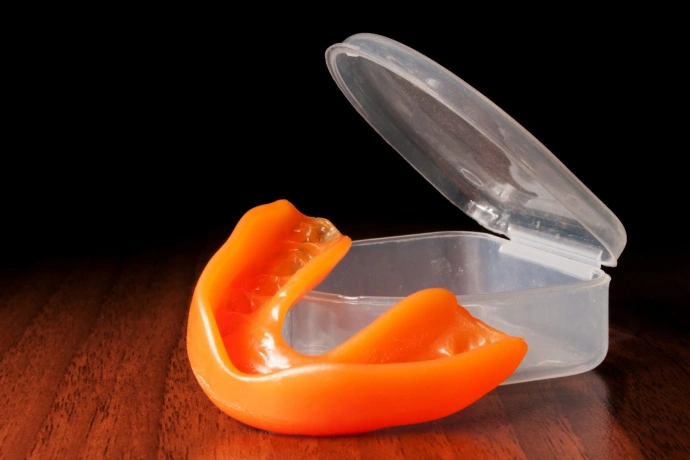
Nightguards, also called dental or mouth guards, help prevent damage from teeth grinding. Made from durable acrylic resin, they come in soft or hard options. Typically, dentists recommend wearing the guard over the upper front teeth to keep them from contacting the lower teeth during sleep.
For severe grinding, a guard for the lower teeth might be advised. Besides protecting teeth, nightguards also cushion the jaw muscles, reducing discomfort and strain.
Benefits of Using Night Guards for Bruxism
Bruxism, or teeth grinding, can happen during the day or at night and is often triggered by stress, anxiety, or anger—usually without conscious awareness. While this habit can damage your oral health, dentists may recommend using a nightguard alongside treatments for anxiety, such as medication or therapy, to protect your teeth.
Although nightguards don’t completely stop grinding, they help prevent damage like chipped teeth, loose fillings, and worn enamel. Additionally, wearing a nightguard can improve sleep quality and reduce symptoms associated with bruxism.
- Tooth sensitivity or pain
- Biting your cheeks accidentally
- Receding gums
- Fatigue from disrupted sleep
- Facial discomfort from tight or sore jaw muscles
- Headaches around the temples
Using nightguards for TMJ offers several benefits
The temporomandibular joints (TMJ) are essential for mouth movement, but teeth grinding can cause issues with these joints, leading to symptoms like jaw pain, clicking or popping sounds, and a locked jaw. TMJ problems may also result from inflammation or jaw injuries. Fortunately, wearing a nightguard during sleep can help properly align your jaws and ease muscle tension. Using a nightguard may also relieve other TMJ-related symptoms, including:
- Facial pain or discomfort
- Neck and shoulder aches
- Sharp pain resembling an earache
- Ringing sensation in the ear
- Difficulty chewing or speaking
- Discomfort when eating or talking