2320 Nowata Pl, Bartlesville, OK 74006

Can You Get Dental Implants With Gum Disease? What Patients Should Know
Request Appointment

If you have lost one or more teeth and also have gum disease, you may wonder whether dental implants are still an option. The answer is sometimes, yes but active gum disease may need to be treated before an implant is placed.
Dental implants depend on healthy gum tissue and adequate supporting bone. Because of this, your dentist will want to understand the condition of your gums and jaw before recommending treatment. If you’re exploring implant dentistry in Bartlesville, a personalized evaluation can help determine whether you are ready for an implant or whether periodontal care should come first.
Quick Answer:
Yes, having a history of gum disease does not necessarily mean you can never receive dental implants. However, active periodontal disease should generally be evaluated and controlled before implant placement. Healthy gums, sufficient bone support, good oral hygiene, and appropriate overall health are important factors when determining implant candidacy.
Why Does Gum Disease Matter for Dental Implants?
Gum disease is an infection and inflammation of the tissues supporting your teeth. In more advanced cases, it can also contribute to loss of the bone that supports teeth.
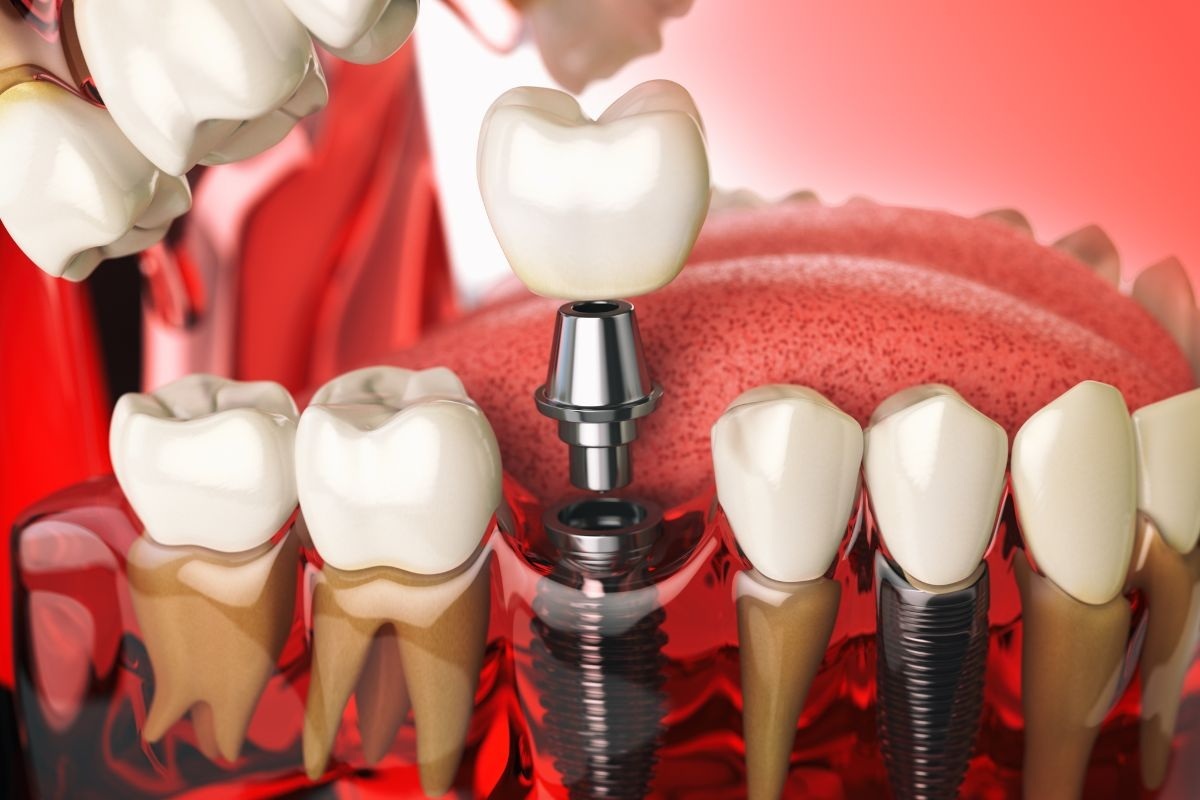
Dental implants are different from natural teeth, but they still depend on the surrounding gum and bone tissues for support. An implant is placed into the jawbone and needs to integrate with that bone during healing.
That is why implant planning is about more than simply replacing a missing tooth. Your dentist needs to evaluate the health of the entire area surrounding the planned implant.
The American Academy of Periodontology identifies healthy gum tissues and adequate jawbone as important considerations for implant candidacy.
Does Gum Disease Mean You Cannot Get Dental Implants?
Not necessarily.
There is an important difference between having a history of gum disease and having active, uncontrolled periodontal disease.
For example, someone who previously had gum disease, received appropriate treatment, and now maintains their periodontal health may still be considered for dental implants. On the other hand, active inflammation, infection, or significant periodontal problems may need attention before implant surgery.
The goal is not simply to ask, “Do you have gum disease?” Instead, your dental team needs to determine:
- Is the gum disease currently active?
- How healthy are the gums around the proposed implant site?
- Has periodontal disease caused bone loss?
- Is there enough bone to support the implant?
- Can the patient maintain good oral hygiene?
- Are there other factors that could affect healing?
These questions help your dentist develop a treatment plan based on your individual situation rather than making a decision based on a diagnosis alone.
What Happens If You Have Gum Disease Before Implant Treatment?
If your evaluation shows that gum disease needs attention, your dentist may recommend treating the periodontal condition before moving forward with implant placement.
The exact treatment depends on the severity and nature of the gum disease. Your dentist may recommend professional periodontal treatment, improved daily oral hygiene, periodontal maintenance, or other appropriate care.
Bartlesville Dental Studio’s implant treatment process similarly identifies preliminary treatment as an important step when issues such as gum disease or inadequate bone support are present.
Why Treat the Gums First?
Treating periodontal problems first can help establish a healthier environment for future implant treatment. It also gives your dental team an opportunity to evaluate how well your gums respond to care and whether additional treatment is necessary.
This does not necessarily mean your implant treatment is permanently off the table. In some cases, it simply means that gum health becomes the first step in the overall treatment plan.
What If Gum Disease Has Caused Bone Loss?
Advanced periodontal disease can cause loss of the bone supporting the teeth. Because an implant needs adequate bone support, bone loss can affect implant planning.
However, bone loss does not automatically mean implants are impossible.
Depending on the individual situation, your dentist may discuss whether additional procedures, such as bone grafting, could help create an appropriate foundation for an implant. Whether this is necessary depends on factors such as the location and extent of bone loss, the number of missing teeth, and your overall oral health.
A thorough examination and appropriate imaging are therefore important before deciding on treatment.
Can Gum Disease Affect an Implant After It Is Placed?
Yes. Maintaining healthy tissues around an implant is important even after treatment is completed. If you are also wondering whether dental implants are safe, understanding the factors that affect implant treatment and long-term oral health can help you make a more informed decision.
Implants can develop inflammatory conditions around the surrounding tissues, including peri-implant mucositis and peri-implantitis. Peri-implantitis can involve inflammation and loss of supporting bone around an implant. Previous periodontal disease is among the factors associated with an increased risk of peri-implant disease.
This is one reason ongoing dental care matters. An implant is not a “set it and forget it” replacement for a missing tooth.
Regular dental visits, effective plaque control, brushing, flossing, and following your dentist’s maintenance recommendations can help protect the health of the tissues surrounding your implant.
What Is Checked During a Dental Implant Evaluation?
If you have gum disease and are considering implants, expect your dentist to look beyond the missing tooth itself.
An evaluation may consider:
Gum Health
Your dentist will assess your gums for signs of inflammation, infection, bleeding, or periodontal problems.
Bone Support
Imaging can help determine whether sufficient bone is available in the area where the implant would be placed.
Overall Oral Health
Untreated decay, damaged teeth, infection, or other oral health concerns may need to be addressed as part of your treatment plan.
Daily Oral Hygiene
Your ability to maintain good plaque control is an important part of protecting both natural teeth and dental implants.
Your Treatment Goals
Your dentist will also consider what you want to accomplish, whether you need to replace one tooth or several, and which restoration best fits your needs.
At Bartlesville Dental Studio, the implant process begins with a consultation and treatment planning before proceeding to placement. The practice also notes that preliminary treatment may be needed before implant surgery when oral health concerns are identified.
How Can You Improve Your Chances of Being Ready for Dental Implants?
If gum disease is delaying your implant treatment, focus on getting your oral health into a stable condition.
Helpful steps include:
- Follow your dentist’s recommended periodontal treatment plan.
- Brush thoroughly twice a day.
- Clean between your teeth as recommended by your dental team.
- Keep scheduled periodontal maintenance appointments.
- Tell your dentist about changes such as bleeding, swelling, tenderness, or loose teeth.
- Avoid putting off recommended dental treatment.
- Attend your implant evaluation so your dentist can assess your gums and bone.
Most importantly, do not assume that gum disease automatically disqualifies you from implants. Your current periodontal health and the condition of your supporting tissues are what matter.
Frequently Asked Questions
Can you get dental implants if you have periodontal disease?
You may still be a candidate, but active periodontal disease generally needs to be evaluated and appropriately managed before implant placement. Your dentist will assess your gum health, bone support, and overall oral condition before recommending treatment.
How long after gum disease treatment can I get dental implants?
There is no single waiting period that applies to everyone. Your dentist will determine when your gums are sufficiently healthy and stable for implant treatment based on your response to periodontal care and the condition of your supporting tissues.
Can dental implants be placed if gum disease caused bone loss?
Possibly. Bone loss can affect implant candidacy, but some patients may be candidates for additional procedures designed to improve bone support. A clinical evaluation and appropriate imaging are needed to determine what is possible.
Is previous gum disease a risk for dental implants?
A history of periodontal disease can be associated with a higher risk of disease around implants, which makes long-term oral hygiene and professional maintenance especially important.
What should I do if I have gum disease and missing teeth?
Start with a comprehensive dental evaluation. Your dentist can determine whether your gum disease is active, assess bone support, address any necessary periodontal concerns, and explain whether dental implants or another tooth-replacement option may be appropriate.
Conclusion: Get Your Gum Health Evaluated Before Choosing Implants
Having gum disease does not automatically mean you have to give up on the possibility of dental implants. However, healthy and stable oral tissues are an important part of successful implant planning.
If you have missing teeth and a history of gum disease, the best next step is a personalized evaluation rather than trying to determine your candidacy from symptoms alone. Addressing periodontal concerns first may help create a healthier foundation for future tooth replacement.
If you’re considering dental implants in Bartlesville, the team at Bartlesville Dental Studio can evaluate your oral health, discuss your treatment goals, and explain what steps may be appropriate for your situation. The practice offers implant consultations and emphasizes individualized treatment planning.
Call Bartlesville Dental Studio at 918-957-8138 to schedule an evaluation and discuss your tooth-replacement options.