
2320 Nowata Pl, Bartlesville, OK 74006

Do Teeth Go Bad Under Crowns?
Request Appointment

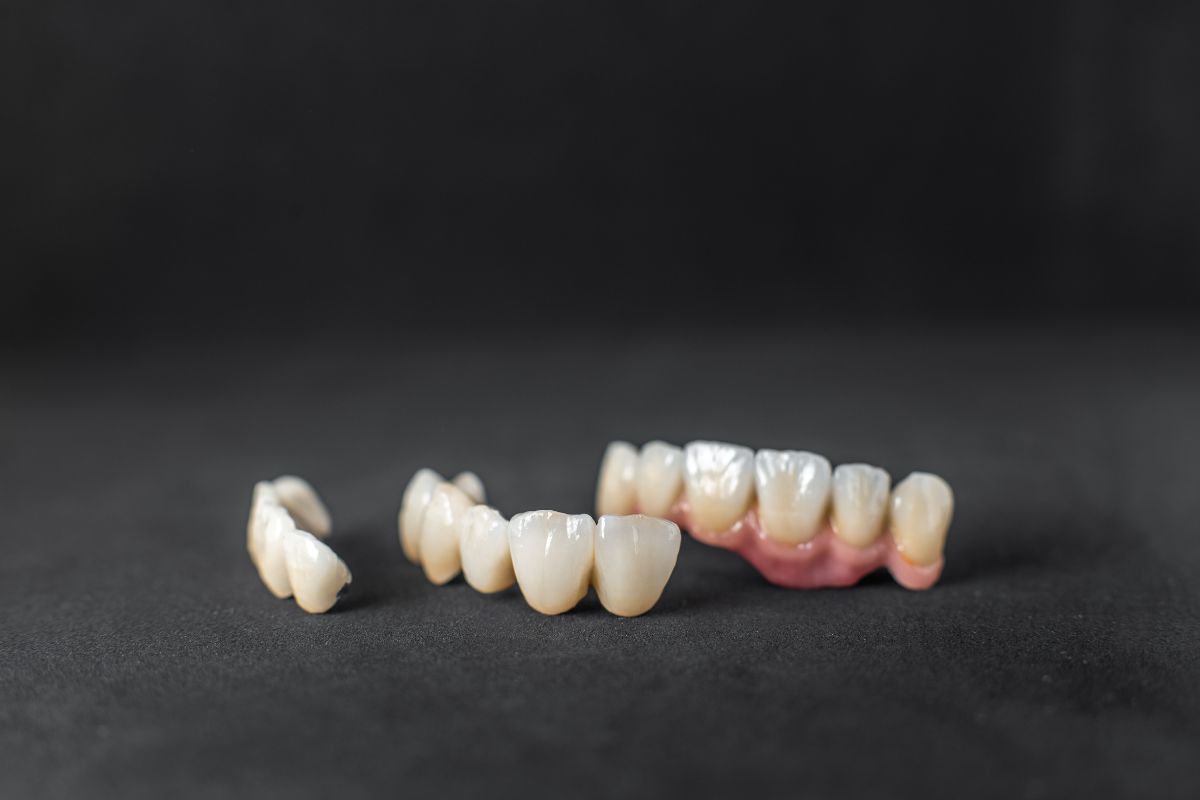
One of the most common questions patients ask during checkups is this: “Can a tooth still decay under a crown?”
The honest answer is yes — tooth decay can occur under a crown. While crowns are designed to protect and strengthen damaged teeth, they do not make the underlying natural tooth immune to infection or bacteria.
If you are searching for a trusted dentist near me in Bartlesville because you are worried about a possible cavity under a crown, this guide will explain:
- Why does decay under a crown happens
- How a dentist diagnoses the problem
- Treatment options for a decayed tooth under a crown
- How to prevent future complications
Understanding what is happening beneath your crown helps you take action early — and early treatment always leads to better outcomes.
Understanding Dental Crowns: What They Do — and What They Don’t
A dental crown is a custom-made cap placed over a damaged or weakened tooth. Crowns are commonly used after:
- Large cavities
- Root canal treatment
- Fractured teeth
- Severe wear
- Cosmetic corrections
Modern crowns are made of porcelain, ceramic, zirconia, or metal alloys. These materials are durable and designed to withstand chewing forces for many years.
However, it is important to understand one key fact:
A crown covers the visible portion of the tooth, but natural tooth structure remains underneath.
That remaining tooth can still develop problems, including:
- Tooth decay under the crown
- Infection
- Structural breakdown
- A rotting tooth under the crown
A crown protects, but it does not eliminate risk.
Why Does Decay Under a Crown Happen?
Patients often assume that once a crown is placed, the tooth is permanently sealed. In reality, crowns rely on precise margins and strong dental cement to prevent bacterial entry.
Over time, several factors can lead to decay under the crown.
1. Microleakage at the Crown Margin
The most common cause of a cavity under a crown is microscopic leakage.
Where the crown meets the natural tooth (the margin), bacteria can accumulate. If even a tiny gap forms, plaque can seep underneath and begin attacking the exposed tooth structure.
This leads to:
- Decay under a crown
- Gradual breakdown of tooth structure
- Eventual crown loosening
2. Aging or Breakdown of Dental Cement
Dental cement is extremely strong, but it does not last forever. Over many years, the bond between the crown and the tooth can weaken.
When this happens, bacteria gain access, and tooth decay under a crown may begin silently.
3. Gum Recession
When gums recede, the root surface of the tooth becomes exposed. Root surfaces are softer and more vulnerable to decay.
If a recession occurs near a crown margin, the risk of tooth decay under the crown increases significantly.
4. Bruxism (Teeth Grinding)
Grinding or clenching creates excessive pressure. Over time, this can:
- Create cracks at the crown edge
- Break down cement
- Increase risk of decay under the crown
Patients who grind should wear custom nightguards to protect their restorations.
5. Poor Oral Hygiene
Crowns require the same — if not more — care as natural teeth.
If plaque accumulates around the crown margin, bacteria thrive. Eventually, this can result in:
- A decayed tooth under a crown
- Tooth rotting under the crown
- Infection
Even beautifully placed crowns cannot overcome neglect.
What Are the Symptoms of Tooth Decay Under a Crown?
One challenge with decay under a crown is that symptoms often do not appear until late.
Early stages may cause no discomfort. As decay progresses, patients may notice:
- Sensitivity to hot or cold
- Pain when biting
- Dull, lingering ache
- Dark line near crown edge
- Gum swelling
- Bad taste or odor
- A loose crown
These are common symptoms of tooth decay under a crown and should never be ignored.
When pain becomes severe, it may indicate a rotting tooth under the crown that has reached the nerve.
How Does a Dentist Diagnose a Cavity Under a Crown?
If you suspect a problem, scheduling an appointment with a qualified dentist near me is the most important step.
At Bartlesville Dental Studio, evaluation typically includes:
1. Clinical Examination
The dentist will:
- Inspect the crown margin
- Check for softness near edges
- Evaluate gum health
- Test bite pressure
2. Digital X-Rays
X-rays are essential for identifying:
- Hidden decay under the crown
- Bone loss
- Infection
- Structural damage
While some crowns can obscure visibility, modern digital imaging often reveals early tooth decay under a crown before symptoms become severe.
3. Advanced Imaging (When Necessary)
If traditional X-rays are unclear, additional imaging may be recommended to evaluate deeper infection.
What Happens If Decay Under a Crown Is Left Untreated?
Ignoring decay under a crown can lead to serious complications:
- Abscess formation
- Bone loss
- Spread of infection
- Crown failure
- Tooth fracture
- Complete rotten teeth under crowns
When a decayed tooth under a crown progresses too far, saving the tooth may no longer be possible.
Early intervention is always simpler, less invasive, and more affordable.
Treatment Options for a Decayed Tooth Under a Crown
Treatment depends on how advanced the damage is.
Mild Decay
If caught early:
- The crown is removed
- Decay is cleaned
- The tooth is rebuilt
- A new crown is placed
This approach often preserves the natural tooth structure.
Moderate Decay
If more tooth structure is lost:
- Core buildup may be needed
- Crown replacement becomes necessary
Addressing tooth decay under a crown at this stage prevents nerve involvement.
Advanced Decay
If decay reaches the pulp (nerve), symptoms may include severe pain.
Treatment typically involves:
- Root canal therapy
- Crown replacement
This stops infection and preserves the remaining structure.
Severe Structural Breakdown
In cases of extreme tooth rotting under the crown, extraction may be necessary.
Replacement options include:
- Dental implants
- Bridges
A skilled dentist will discuss long-term restorative solutions tailored to your needs.
How to Prevent Tooth Decay Under a Crown
Prevention is the most powerful tool.
Patients in Bartlesville can significantly reduce risk by:
1. Brushing Twice Daily
Use fluoride toothpaste and focus carefully around crown margins.
2. Flossing Daily
Flossing removes plaque where toothbrushes cannot reach — especially at the gumline.
3. Routine Dental Visits
Regular exams allow your dentist to detect early signs of:
- Decay under a crown
- Gum recession
- Cement breakdown
Most cases of a rotting tooth under a crown begin silently and are discovered during routine checkups.
4. Wearing a Night Guard (If You Grind)
Bruxism significantly increases crown failure risk.
Custom nightguards protect both natural teeth and crowns.
5. Avoiding Sticky or Hard Foods
Sticky foods can loosen crowns. Hard foods may create microfractures at margins.
How Long Do Crowns Last?
With proper care, crowns can last 10–15 years or longer.
However, longevity depends on:
- Oral hygiene
- Bite forces
- Gum health
- Regular monitoring
Crowns are not lifetime devices. Periodic evaluation ensures early detection of decay under the crown before it becomes advanced.
When Should You See a Dentist?
Schedule an evaluation immediately if you notice:
- Persistent pain
- A loose crown
- Dark lines near margins
- Swelling
- Any tooth decay under the crown symptoms
Searching for a reliable dentist near me in Bartlesville ensures timely care.
Waiting allows bacteria to spread deeper — making treatment more complex.
Why Early Action Matters
From a clinical standpoint, the difference between a minor repair and tooth loss is often timing.
Patients frequently assume sensitivity is temporary. Unfortunately, by the time pain becomes severe, the decayed tooth under the crown may require root canal therapy or extraction.
Routine monitoring and early evaluation protect your investment in dental restorations.
Final Answer: Do Teeth Go Bad Under Crowns?
Yes — they can.
Tooth decay under a crown, decay under a crown, and even rotten teeth under crowns are real possibilities if bacteria reach the underlying structure.
The good news is that most cases are preventable.
With excellent oral hygiene, regular dental visits, and prompt attention to symptoms, crowns can remain healthy and functional for many years.
If you are concerned about a possible cavity under the crown or experiencing symptoms of tooth decay under the crown, schedule an evaluation with a trusted dentist in Bartlesville.
At Bartlesville Dental Studio, comprehensive exams and modern diagnostics help protect both your crowns and the natural teeth beneath them.
Healthy crowns depend on healthy foundations. Early care keeps your smile strong, stable, and protected for the long term.
FAQs
Q. Can you feel decay under a crown?
A: In many cases, yes. Discomfort, lingering sensitivity to hot or cold, or pressure pain when chewing may signal tooth decay under the crown. However, early decay under a crown can develop silently, which is why routine dental checkups are essential.
Q. How often should crowned teeth be X-rayed?
A: Most patients benefit from dental X-rays every 1–2 years. The exact frequency depends on individual cavity risk, gum health, and medical history. Regular imaging helps a dentist detect hidden tooth decay under a crown before it becomes advanced.
Q. Does crown type affect decay risk?
A: The material itself does not prevent or cause decay. While metal crowns may make radiographic detection slightly more challenging, any crown—porcelain, ceramic, zirconia, or metal—can develop a cavity under the crown if the margins leak or oral hygiene is inadequate.
Q. Should I worry if my crown is 10+ years old?
A: Crowns that are over a decade old may be more susceptible to wear, cement breakdown, or marginal leakage. This increases the risk of decay under crown. Regular evaluations ensure early detection and help prevent complications.
Q. How long do teeth last under a crown?
A: With proper care, the underlying tooth can last many years. Most dental crowns function well for 5–15 years, depending on material choice, bite forces, and oral hygiene. Gold and metal crowns often have longer durability, while porcelain-fused-to-metal crowns typically last 10–15 years with good maintenance.
Q. Is my tooth rotting under my crown?
A: Possible warning signs include persistent pain, sensitivity, swelling, unpleasant taste or odor, visible darkening near the crown margin, or a change in how the crown feels when biting. These symptoms may indicate a rotting tooth under the crown and require prompt dental evaluation.
Q. What happens if the tooth under a crown is black?
A: Discoloration beneath a crown can occur if there is decay under a crown or infection affecting the tooth structure. In some cases, staining may also be related to old dental materials. A professional exam is necessary to determine the cause and recommend appropriate treatment.