2320 Nowata Pl, Bartlesville, OK 74006

What Causes Gum Disease? Common Risk Factors Explained
Request Appointment

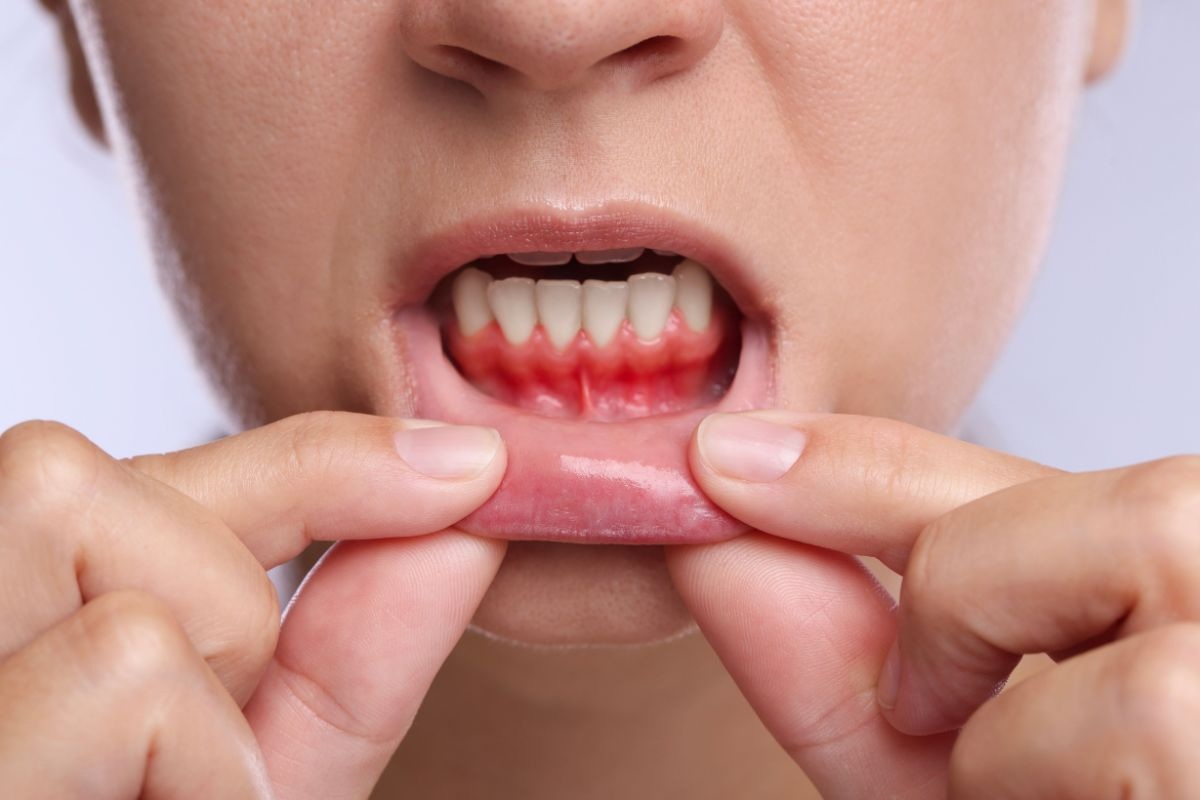
Have you ever wondered what causes gum disease, especially if you brush and floss regularly? Gum disease doesn’t usually develop overnight. It often begins when plaque builds up around the teeth and gums, allowing bacteria to trigger inflammation. Over time, untreated inflammation can progress from gingivitis to periodontitis, a more serious form of gum disease that can affect the tissues and bone supporting your teeth.
The good news is that understanding your risk factors can help you take action earlier. If you’re already noticing bleeding, swelling, tenderness, gum recession, persistent bad breath, or changes in how your teeth fit together, professional evaluation can help determine what’s happening. For patients who need additional support, gum disease treatment in Bartlesville can address existing periodontal problems and help protect long-term oral health.
Quick Answer
Gum disease is primarily caused by plaque, a sticky film of bacteria that accumulates on teeth and along the gumline. If plaque isn’t removed regularly, it can harden into tartar, which cannot be removed effectively with ordinary brushing. Bacteria and the body’s inflammatory response can then damage the gums and supporting tissues. Smoking, diabetes, genetics, certain medications, hormonal changes, age, and some health conditions can further increase risk.
How Does Gum Disease Start?
Understanding the progression makes the causes easier to recognize.
1. Plaque Builds Up
Plaque is a sticky film containing bacteria that naturally forms on your teeth. When brushing and cleaning between the teeth aren’t thorough enough, plaque can remain around the gumline.
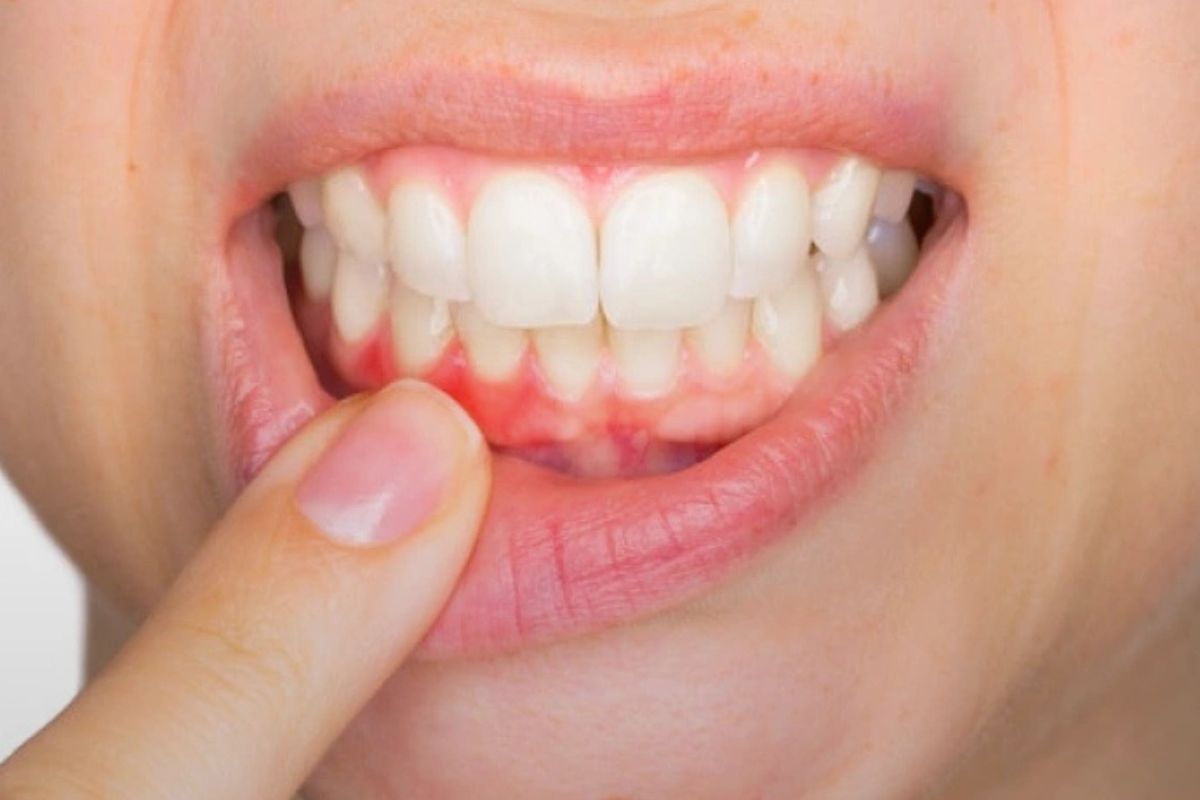
Those bacteria can irritate the gums, causing them to become red, swollen, or more likely to bleed.
2. Plaque Can Harden Into Tartar
If plaque remains on the teeth, it can harden into tartar, also called calculus. Unlike soft plaque, tartar cannot simply be brushed away at home. Professional dental cleaning is needed to remove it.
3. Inflammation Can Progress
Early gum disease is called gingivitis. At this stage, the gums may bleed or appear swollen, but the condition can often be reversed with improved oral hygiene and professional care.
When gum disease progresses to periodontitis, the infection and inflammation can affect the tissues and bone that support the teeth. Periodontitis is more serious and requires professional management.
7 Common Gum Disease Risk Factors
Plaque is a major cause, but several factors can make someone more susceptible to gum disease or contribute to its progression.
1. Inconsistent Oral Hygiene
One of the most important controllable risk factors is inadequate plaque removal.
Brushing twice a day and cleaning between your teeth regularly can help reduce plaque accumulation. Areas between teeth and around the gumline are particularly easy to miss, which is why simply brushing isn’t always enough.
2. Smoking and Tobacco Use
Tobacco use is one of the strongest known risk factors for gum disease. Smoking can also interfere with healing and make periodontal treatment less successful.
If you smoke or use other tobacco products, discussing cessation with a healthcare professional can benefit both your oral and overall health.
3. Diabetes
People with diabetes have a higher risk of periodontal disease, particularly when blood sugar is not well controlled. Diabetes can also affect healing, which makes good oral care especially important.
This is one reason your dentist should know about relevant medical conditions and medications when evaluating your gum health.
4. Genetics and Family History
Some people may be more susceptible to gum disease because of genetic factors. Having a family history doesn’t mean you’ll definitely develop periodontal disease, but it can be one piece of your overall risk profile.
If gum disease has affected close family members, mention this during your dental visits.
5. Hormonal Changes
Hormonal changes can affect the gums. For example, pregnancy can make some people more likely to experience gingivitis, including swollen or bleeding gums.
Good oral hygiene and regular dental care are particularly important during periods of significant hormonal change.
6. Certain Medications and Health Conditions
Some medications and medical conditions are associated with an increased risk of gum disease. NIDCR notes associations involving certain illnesses, medications, and conditions that can affect immune function or oral health.
This doesn’t mean a particular medication or diagnosis will automatically cause gum disease. Your individual risk depends on several factors, which is why sharing your complete health history with your dental team matters.
7. Age and Changes in Oral Health
The risk of periodontal disease can increase with age. However, gum disease is not simply an unavoidable part of getting older.
Regular dental examinations, professional cleanings, daily plaque control, and attention to early symptoms can help people maintain healthier gums throughout adulthood.
What Are the Warning Signs of Gum Disease?
Gum disease can sometimes develop without significant pain, so don’t wait for a toothache before paying attention to your gums.
Possible warning signs include:
- Red or swollen gums
- Gums that bleed during brushing or flossing
- Tender gums
- Persistent bad breath
- Gums pulling away from the teeth
- Teeth that feel loose
- Pain or discomfort when chewing
- Changes in the way your teeth fit together
These symptoms don’t necessarily mean you have periodontal disease, but they are reasons to schedule a dental evaluation. NIDCR identifies bleeding, swollen gums, recession, loose or sensitive teeth, chewing discomfort, and persistent bad breath among potential symptoms.
Can Gum Disease Be Prevented?
In many cases, you can significantly reduce your risk by making gum care part of your everyday routine.
Brush Twice a Day
Use fluoride toothpaste and brush carefully along the gumline. The goal isn’t to scrub aggressively, it’s to clean thoroughly without damaging the gums.
Clean Between Your Teeth
Floss or use another interdental cleaning method recommended by your dental professional. Cleaning between teeth helps remove plaque from areas a toothbrush cannot reach effectively.
Keep Regular Dental Visits
Professional cleanings can remove tartar that home care cannot. Routine examinations also give your dentist an opportunity to identify gum problems before they become more advanced.
If you’re concerned that early gum problems may be getting worse, understanding how to stop gum disease from progressing can help you take practical steps to protect your gums and maintain better oral health.
Don’t Ignore Bleeding Gums
Some people assume bleeding is normal or that they’re simply brushing too hard. Persistent bleeding deserves attention because it can be a sign of gum inflammation.
Address Tobacco Use
If you use tobacco, quitting can reduce your risk and support better periodontal health and healing.
When Should You See a Dentist About Your Gums?
It’s worth scheduling an evaluation if your gums regularly bleed, remain swollen or tender, appear to be receding, or if you notice persistent bad breath or loose teeth.
A dental professional can examine your gums, measure the spaces around your teeth, review your medical history, and use dental X-rays when appropriate to look for supporting bone changes.
Treatment depends on the severity and cause. Early gingivitis may improve with better daily oral hygiene and professional care. More advanced periodontal disease may require periodontal treatment and ongoing maintenance.
For patients in Bartlesville who are concerned about their gum health, Bartlesville Dental Studio provides periodontal care focused on evaluating and managing gum-related problems.
FAQs
Is poor oral hygiene the only cause of gum disease?
No. Plaque buildup is a primary cause, but other factors including tobacco use, diabetes, genetics, age, hormonal changes, certain medications, and some health conditions can increase risk.
Can gum disease go away on its own?
Early gingivitis can often be reversed with effective plaque control and professional dental care. Periodontitis is different and generally requires professional treatment to manage the disease and prevent further damage.
Does bleeding when I floss mean I have gum disease?
Bleeding can be a sign of gum inflammation, but it doesn’t establish a diagnosis by itself. If your gums repeatedly bleed when brushing or flossing, it’s a good idea to have them evaluated by a dental professional.
Can diabetes increase the risk of gum disease?
Yes. People with diabetes have a higher risk of periodontal disease, and diabetes can also affect healing. Maintaining good oral hygiene and keeping both your dental and medical care teams informed can be important.
Is gum disease preventable?
Many risk factors can be addressed through consistent oral hygiene, regular professional dental care, avoiding tobacco, and managing health conditions that can affect oral health. However, individual risk varies from person to person.
Protect Your Gum Health in Bartlesville, OK
Knowing what causes gum disease is an important first step, but recognizing your personal risk factors is just as important. Plaque and tartar are central contributors, while tobacco use, diabetes, genetics, hormonal changes, age, medications, and other health conditions can influence your risk.
If you’re noticing bleeding, swelling, gum recession, persistent bad breath, or other changes, don’t assume the problem will resolve without attention. A professional evaluation can help identify the cause and determine whether preventive care or periodontal treatment is appropriate.
Bartlesville Dental Studio provides personalized dental care for patients in Bartlesville, OK, with a focus on prevention, patient education, and long-term oral health. If you’re concerned about your gums, schedule an evaluation and discuss your symptoms with the dental team.
You can also see what patients are saying on Google to learn more about the practice and its patient experience.