2320 Nowata Pl, Bartlesville, OK 74006

What to Eat After a Root Canal: A Patient-Friendly Guide
Request Appointment

A root canal can relieve the pain and discomfort caused by an infected or damaged tooth, but knowing what to eat afterward can make recovery much easier. If you’re wondering what to eat after a root canal, the best choices are usually soft, easy-to-chew foods that do not place extra pressure on the treated tooth.
For patients in Bartlesville, OK, following your dentist’s aftercare instructions is an important part of protecting your tooth while it heals. If you have questions about your recovery or need treatment for root canal in Bartlesville, Bartlesville Dental Studio can help you understand what to expect before and after treatment.
Quick Answer
After a root canal, choose soft foods such as yogurt, eggs, oatmeal, mashed potatoes, smoothies, soup, and soft pasta. Avoid hard, crunchy, sticky, or very hot foods until your dentist says it is safe to chew normally, especially on the treated side.
What to Eat After a Root Canal
Your tooth and the surrounding area may feel tender after treatment. Local anesthesia can also leave your mouth numb for several hours. Because of this, soft foods are usually the easiest and safest option immediately after a root canal.
Good choices include:
- Yogurt or cottage cheese
- Scrambled eggs
- Mashed potatoes
- Oatmeal or cream of wheat
- Soft pasta
- Applesauce
- Smoothies eaten with a spoon
- Soft-cooked vegetables
- Soup that is warm rather than very hot
- Soft fish
- Tender chicken cut into small pieces
- Bananas and other soft fruits
Try to chew away from the treated tooth when possible. This can reduce pressure on the tooth while the area is still sensitive.
Why Soft Foods Are a Good Choice
A recently treated tooth may be temporarily sensitive to pressure. Eating soft foods requires less chewing and can make meals more comfortable.
Soft foods can also be helpful if the tissues around the tooth are mildly sore after the procedure. You do not necessarily need to follow a liquid diet, but choosing foods that are easy to chew can make the first day or two easier.
Foods to Avoid After a Root Canal
Knowing what not to eat is just as important as knowing what you can eat. Some foods can put unnecessary pressure on the treated tooth or irritate sensitive areas.
For the short term, consider avoiding:
- Hard candies
- Ice
- Popcorn kernels
- Nuts
- Chips
- Hard crusty bread
- Sticky caramel or taffy
- Chewy foods
- Very hot foods and drinks while your mouth is numb
- Foods that require heavy chewing
You should also avoid chewing directly on the treated tooth until your dentist confirms that it is ready for normal use.
Why Should You Avoid Hard or Sticky Foods?
Hard foods can place significant force on a tooth. Sticky foods may pull against a temporary filling or restoration.
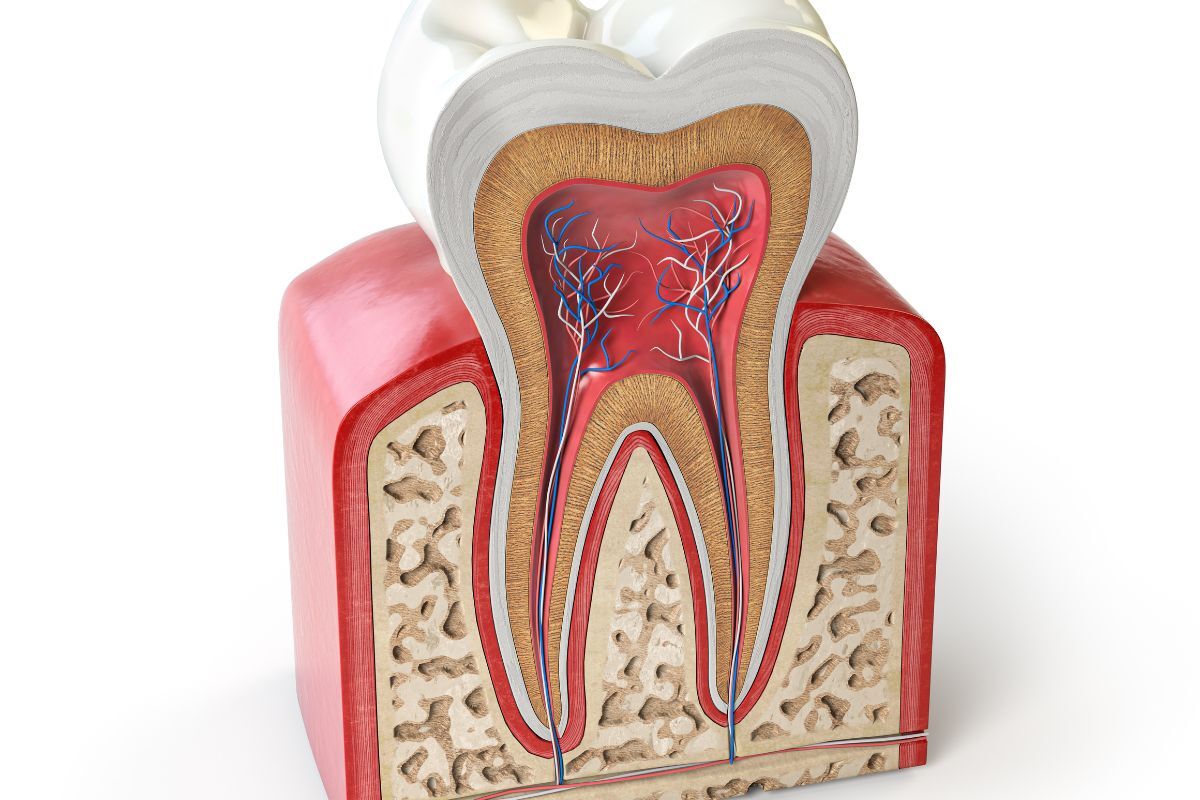
This matters because a root canal removes infected or damaged tissue inside the tooth, but the tooth may still need a permanent restoration, such as a crown, depending on its condition and location. Your dentist will let you know when normal chewing is appropriate.
Can You Eat Immediately After a Root Canal?
It is generally best to wait until the numbness from local anesthesia has worn off before eating solid foods. This helps reduce the risk of accidentally biting your cheek, tongue, or lip.
Your dentist may give you specific instructions based on the type of restoration placed during your appointment. If you were given instructions that differ from general advice, follow your dentist’s recommendations.
If you are hungry while your mouth is still numb, ask your dental team what they recommend. Once normal sensation returns, begin with something soft and chew carefully.
What Can You Drink After a Root Canal?
Water is an excellent choice after dental treatment. Staying hydrated can also help you feel more comfortable during recovery.
Other options may include:
- Milk
- Lukewarm herbal tea
- Smoothies
- Non-acidic drinks
Avoid extremely hot beverages while your mouth is numb. You should also be cautious with very cold drinks if the treated area is sensitive.
If you choose a smoothie, avoid hard ingredients such as nuts or ice chunks that require chewing.
How Long Should You Eat Soft Foods?
There is no single recovery timeline that applies to every patient. Some people can return to a normal diet fairly quickly, while others may experience tenderness for several days.
The key is to follow your dentist’s instructions and avoid putting unnecessary pressure on the treated tooth. If chewing remains uncomfortable, continue choosing softer foods and contact your dental office if the discomfort does not improve.
Your final restoration is also important. A tooth that has received root canal therapy may require additional protection to restore its strength and function. Your dentist can explain whether a crown or another restoration is recommended.
Root Canal Aftercare Tips
Food is only one part of taking care of your tooth after a root canal. A few simple habits can help support a comfortable recovery.
Brush and Floss Carefully
Continue your normal oral hygiene routine unless your dentist tells you otherwise. Brush gently around the treated area and floss carefully to keep plaque and food debris from collecting around the tooth.
Take Medication as Directed
If your dentist recommends an over-the-counter pain reliever or prescribes medication, follow the instructions provided. Do not take more than the recommended amount.
Avoid Chewing on the Treated Tooth
Until the tooth has received its final restoration, be cautious about chewing hard foods on that side. This is particularly important if a temporary filling has been placed.
Keep Your Follow-Up Appointment
A root canal is often only one step in restoring a damaged tooth. If your dentist recommends a crown or another restoration, completing the next stage of treatment can help protect the tooth and restore normal function.
When Should You Contact Your Dentist?
Some mild tenderness after a root canal can be normal, but you should contact your dental office if you experience symptoms that concern you or interfere with normal activities. If you’re unsure whether your symptoms could indicate a deeper dental problem, learn more about the 10 Signs You May Need a Root Canal Treatment before scheduling an evaluation.
Call your dentist if you notice:
- Severe or worsening pain
- Significant swelling
- A bite that feels uneven
- A temporary filling that falls out
- Persistent sensitivity or discomfort
- Signs of infection or other unusual symptoms
If you develop significant swelling or have difficulty breathing or swallowing, seek urgent medical or dental care.
How Much Does Root Canal Treatment Cost?
The cost of root canal treatment varies depending on factors such as the tooth involved, the complexity of the procedure, the type of restoration needed, and your dental insurance coverage.
A front tooth, premolar, and molar may require different approaches. The best way to understand your expected cost is to have your dentist examine the tooth and provide a personalized treatment plan.
Ask about estimated treatment costs, insurance benefits, payment options, and whether a crown or other restoration will be needed.
Frequently Asked Questions
Can I eat normally after a root canal?
You may be able to return to your normal diet once the numbness has worn off and your dentist says it is safe. However, soft foods are often more comfortable immediately after treatment. Avoid chewing hard or sticky foods on the treated tooth until your dentist confirms that normal chewing is appropriate.
Can I eat pizza after a root canal?
Pizza may be fine once your mouth is no longer numb, but be careful with hard crusts and very hot toppings. If the treated tooth is still tender or has a temporary restoration, choose softer foods and chew on the opposite side until your dentist gives you clearance.
Can I drink coffee after a root canal?
You can usually drink coffee after the numbness has worn off, but avoid drinking it while your mouth is still numb because you could burn yourself without realizing it. If the tooth or surrounding area is sensitive, a lukewarm beverage may be more comfortable.
Can I brush my teeth after a root canal?
In most cases, you can continue brushing and flossing after a root canal. Be gentle around the treated tooth, especially if the area feels tender or a temporary restoration has been placed. Follow any specific oral hygiene instructions provided by your dental team.
How long will my tooth hurt after a root canal?
Some tenderness or sensitivity can occur after treatment and may gradually improve over the following days. However, severe, worsening, or persistent pain should be discussed with your dentist. Your dental team can determine whether additional evaluation is needed.
Do I need a crown after a root canal?
Not every root canal-treated tooth has the same restoration needs. Depending on the tooth’s location, remaining structure, and condition, your dentist may recommend a crown or another restoration to protect it. Your dentist will explain which option is appropriate for your tooth.
Conclusion
Knowing what to eat after a root canal can help make the first few days more comfortable. Stick with soft foods, avoid hard and sticky foods, wait until numbness wears off before eating, and follow your dentist’s instructions about chewing and follow-up care.
If you are experiencing tooth pain or have been told you may need root canal therapy, Bartlesville Dental Studio is here to help patients in Bartlesville, OK, understand their options. To schedule an appointment or discuss your dental concerns, call +1 9189578138.
Want to learn more about our practice and stay connected with local dental updates? See patient reviews on Google to explore feedback from patients and recent updates from Bartlesville Dental Studio.