
2320 Nowata Pl, Bartlesville, OK 74006

Who Is a Good Candidate for Veneers?
Request Appointment

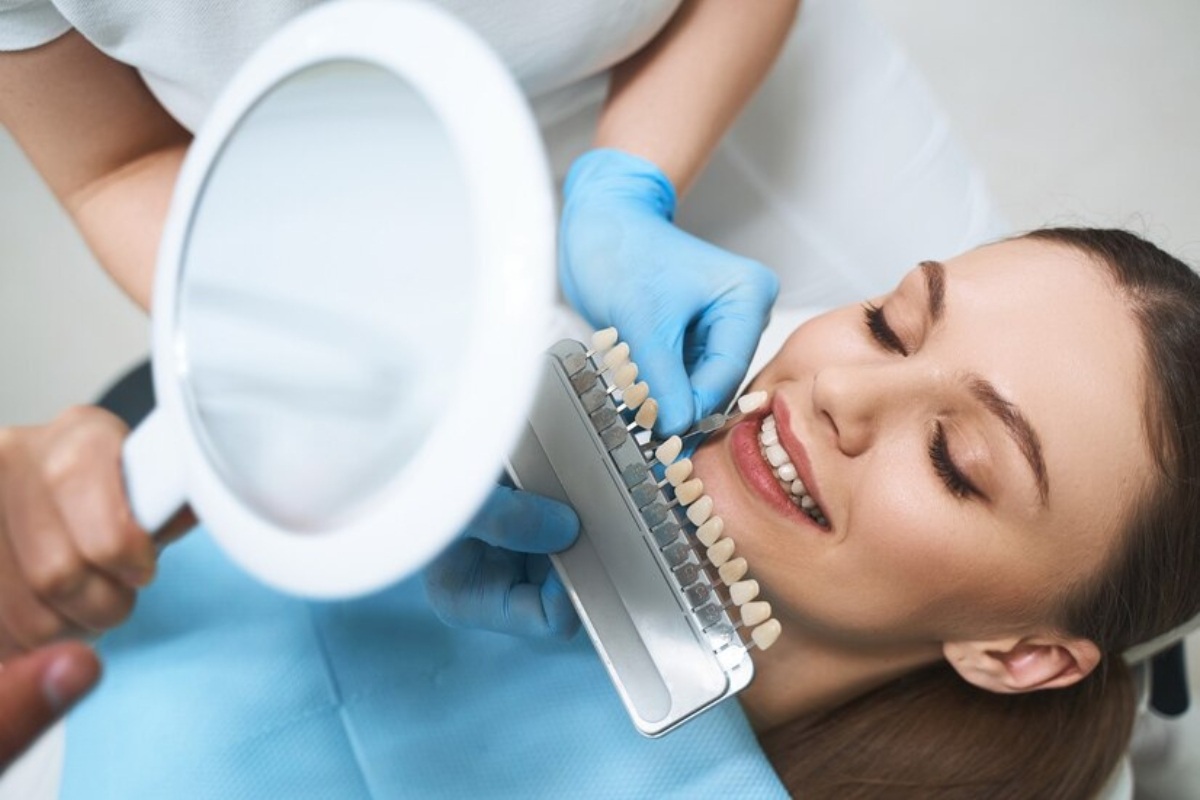
A smile can change how you feel about your appearance, especially when chipped edges, stubborn stains, small gaps, or uneven teeth make you hesitant to show it. Dental veneers are one cosmetic option for improving the appearance of teeth, but they are not the right choice for everyone. Your oral health, enamel condition, bite, and personal goals all play a role in determining whether treatment makes sense.
If you are exploring dental veneers in Bartlesville, understanding the basic requirements can help you prepare for a conversation with your dentist. The goal is not simply to create a more attractive smile. It is to choose an approach that supports your dental health while addressing the changes you want to make.
Quick Answer: Who Is a Good Candidate for Veneers?
A good candidate for dental veneers generally has healthy teeth and gums, sufficient tooth enamel, and cosmetic concerns such as discoloration, minor chips, small gaps, or uneven tooth shapes. Candidates should also have realistic expectations and be willing to maintain good oral hygiene. Cavities, gum disease, teeth grinding, or certain bite problems may need attention before veneers are considered.
1. You Want to Improve Specific Cosmetic Concerns
Veneers are thin, custom-made coverings bonded to the front surfaces of teeth. Depending on the material and treatment plan, they can change the appearance of tooth color, shape, size, and alignment.
You may be a potential candidate if you are concerned about one or more of the following issues.
Persistent tooth discoloration
Some stains do not respond as well to whitening as others. Veneers may help improve the appearance of teeth with discoloration that remains after appropriate whitening treatment.
However, whitening is less invasive and may be preferable if your primary concern is tooth color alone. Your dentist can help you compare the options.
Chipped, worn, or uneven teeth
Minor chips, worn edges, and differences in tooth shape can affect the overall appearance of a smile. Veneers may be suitable for certain cosmetic imperfections when enough healthy tooth structure remains.
More extensive damage may require a different restoration, such as a dental crown.
Small gaps between teeth
Veneers can sometimes close small spaces between teeth by changing their visible width. They may also improve the appearance of mildly irregular tooth shapes.
Larger gaps or significant alignment problems may be better addressed with orthodontic treatment. The most suitable option depends on your bite, tooth positions, and desired result.
2. Your Teeth and Gums Are Healthy
Healthy teeth and gums are important considerations before cosmetic treatment. Veneers cover the front of teeth, but they do not treat the underlying problems that can affect your oral health.
If you have untreated cavities, active gum disease, or signs of infection, your dentist may recommend addressing those concerns first.
Gum health matters because inflammation, gum recession, and changes around the teeth can affect how veneers look and how well the surrounding tissues stay healthy. Regular dental examinations and professional cleanings can help identify issues that need attention before treatment.
If you have bleeding gums, persistent bad breath, swelling, or gum tenderness, discuss these symptoms with your dentist rather than treating veneers as the first step.
3. You Have Enough Healthy Enamel
Enamel is the hard outer layer of a tooth. Traditional porcelain veneers often require some enamel removal so the veneer can fit naturally and bond securely.
That makes your existing tooth structure an important part of the candidacy assessment.
People with substantial enamel erosion, severe wear, or previous dental work may need a different approach. Some veneer options require little or no enamel removal in selected cases, but they are not appropriate for every smile and may add bulk or change the final appearance.
Because enamel does not grow back, it is important to understand exactly how much tooth preparation your treatment may involve before agreeing to proceed.
4. You Do Not Have Untreated Teeth-Grinding or Bite Problems
Do you clench your jaw or grind your teeth while sleeping? These habits, often called bruxism, can place extra pressure on veneers and increase the risk of chipping, cracking, or debonding.
This does not automatically rule out veneers. Your dentist may evaluate the severity of the grinding and discuss ways to manage it, such as a custom nightguard when appropriate.
Your bite also matters. If your front teeth receive excessive force when you chew or close your mouth, veneers may be more vulnerable to damage.
Significant misalignment or bite problems may require orthodontic treatment or another restorative option before cosmetic treatment is considered.
5. You Have Realistic Expectations About the Results
Veneers can change the visible appearance of teeth, but they do not make every smile look identical or eliminate the need for routine dental care.
A good candidate understands that the final appearance depends on factors such as natural tooth structure, gum contours, veneer material, and the treatment plan.
Before treatment, think about what you would like to change. Are you mainly concerned about color? Do you want to improve the shape of two front teeth? Are several teeth uneven or worn?
Sharing specific goals with your dentist helps guide decisions about veneer shade, shape, and how many teeth may need treatment. Photos or examples of smiles you like can help communicate your preferences, although your results will be tailored to your own features.
6. You Understand the Commitment and Cost
Veneers are not a one-time cosmetic fix that lasts forever. They can wear, chip, crack, or become detached, and they may eventually need replacement.
Traditional porcelain veneers generally involve irreversible enamel removal. Composite veneers may require less preparation in some cases, but their durability, appearance, and maintenance needs differ from porcelain.
If you are wondering can veneers be whitened, it is important to know that veneers do not respond to traditional whitening treatments in the same way as natural teeth.
Before making a decision, ask your dentist about:
- The estimated cost and what the treatment fee includes.
- Whether enamel removal will be necessary.
- Expected maintenance and possible future replacement.
- The differences between porcelain and composite veneers.
- Whether other treatments could address your concerns with less alteration to natural teeth.
Understanding these details can help you decide whether veneers fit your priorities, budget, and long-term dental plans.
When Might Veneers Not Be the Best Option?
Veneers may be unsuitable or need to be postponed when certain dental problems are present. Examples include:
- Active gum disease or untreated cavities: These should be evaluated and treated first.
- Severely damaged teeth: A crown or another restoration may provide more appropriate coverage.
- Significant crowding or misalignment: Braces or clear aligners may address the underlying position of the teeth.
- Heavy, uncontrolled teeth grinding: Excessive forces may increase the risk of veneer damage.
- Insufficient enamel: Traditional veneers may not bond predictably when suitable enamel is lacking.
These factors do not mean everyone with such concerns is permanently excluded from cosmetic treatment. They mean a dentist needs to assess the situation and determine whether treatment, risk management, or an alternative would be more appropriate.
What Happens During a Veneer Consultation?
A veneer consultation helps determine whether the treatment is suitable for your teeth and goals. Your dentist may examine your teeth and gums, assess your bite, review existing dental work, and discuss the changes you hope to achieve.
Depending on your needs, dental X-rays or other diagnostic records may be recommended. Your dentist can then explain possible treatment options, the amount of tooth preparation involved, costs, and maintenance requirements.
If your main concern is tooth color, you may also want to ask whether whitening could help. Keep in mind that dental veneers cannot be whitened like natural teeth. If you already have veneers, ask your dentist about suitable ways to maintain their appearance before trying whitening products.
The best treatment plan should account for both the appearance you want and the long-term health of your teeth.
Frequently Asked Questions
Are veneers suitable for everyone?
No. Veneers are best suited to people with appropriate tooth structure, healthy gums, and cosmetic concerns that veneers can reasonably address. Cavities, gum disease, significant bite problems, and severe grinding may affect candidacy. A dental examination is needed to determine whether they are suitable for you.
Are veneers a good choice for crooked teeth?
They may improve the appearance of mildly uneven teeth in selected cases. However, veneers do not move teeth into their correct positions. For significant crowding or bite issues, orthodontic treatment may be a better option because it addresses tooth alignment directly.
Do dentists have to shave down your teeth for veneers?
Traditional porcelain veneers usually require some enamel removal to create room for the veneer and support a natural-looking fit. The amount varies by case. Some minimal-preparation or no-preparation options may be possible, but not for everyone. Ask your dentist about the specific preparation required before treatment.
Can you get veneers if you grind your teeth?
Possibly, but grinding can increase the risk of veneer damage. Your dentist will need to evaluate the severity of the habit and your bite. Managing the grinding, potentially with a protective nightguard, may be part of the treatment plan.
How do you know whether veneers are worth it?
Consider how much the cosmetic concern affects you, whether veneers are the most suitable solution, and whether you are comfortable with the cost, maintenance, and potential need for replacement. Comparing veneers with whitening, bonding, or orthodontics can help you make an informed decision.
Find Out Whether Veneers Are Right for Your Smile
The best candidates for dental veneers are not simply people who want a brighter or more even smile. They are people whose oral health, tooth structure, and treatment goals make veneers a suitable option.
If you are considering cosmetic dentistry, Bartlesville Dental Studio can be a starting point for discussing your concerns and exploring potential treatment options. A personalized evaluation can help clarify what is possible and whether veneers or another approach best fits your needs.
To take the next step, visit Bartlesville Dental Studio to review veneer treatment information, or find the practice on Google for location details and available patient reviews. Your dentist can help you understand your options and make a decision that supports a healthy, natural-looking smile.