2320 Nowata Pl, Bartlesville, OK 74006

Why Root Canal Treatment Fails?
Request Appointment

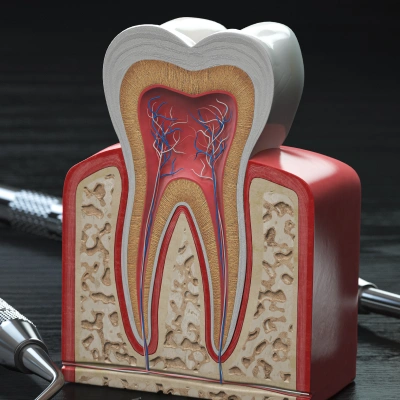
Root canal therapy usually saves damaged teeth — but sometimes, a root canal treatment fails due to hidden infection or structural issues. Understanding why a root canal fails, how to spot the symptoms of a failed root canal, and what treatments can fix it can help you protect your smile and avoid complications.
At Bartlesville Dental Studio, we help patients understand the causes of failed root canals, detect issues early, and restore comfort with the right treatment — whether that’s retreatment, surgery, or other restorative care.
What Causes Root Canals To Go Bad?
Even with advanced techniques, certain factors can make a root canal unsuccessful. Here are the most common reasons:
1. Missed or Untreated Canals
Some teeth have complex root structures. If one canal is missed during tooth root canal therapy, bacteria can remain and cause reinfection.
2. Incomplete Cleaning or Persistent Bacteria
Even a small amount of remaining infection can lead to a failed root canal later on. Deep disinfection is crucial.
3. New Decay or Leakage Around the Filling
If a crown or filling leaks, bacteria can re-enter the canal root treatment area, leading to new decay and infection.
4. Cracked or Fractured Tooth
A hidden crack can allow bacteria to reach the treated canal, resulting in root canal failure or reinfection.
5. No Timely Permanent Restoration
Leaving a temporary filling or delaying a crown allows leakage and structural weakness, causing an unsuccessful root canal outcome.
6. Aging or Worn-Out Dental Work
Even well-done R.C.T. treatment may eventually fail if restorations deteriorate over time (Largo Endodontics).
How to Tell if Your Root Canal Failed
Here are the most common failed root canal symptoms:
- Persistent or returning tooth pain
- Swelling or tenderness in the gums
- Gum “pimple” or drainage near the treated tooth
- Tooth discoloration
- Sensitivity or pain while chewing
- Bad taste or odor in the mouth
If you notice any symptoms of a failed root canal, contact your dentist immediately for an evaluation.
What Your Dentist or Endodontist Will Do Next
At Bartlesville Dental Studio, we begin by examining the tooth and taking an X-ray or CBCT scan to evaluate the infection source and bone condition.
Treatment Options:
- Retreatment: The dentist reopens the tooth, cleans the canals again, and reseals it. Best for minor reinfections or incomplete cleaning.
- Apicoectomy: A surgical cleaning of the root tip and surrounding tissue, used when retreatment isn’t possible.
- Tooth Extraction After Failed Root Canal: If the tooth cannot be saved, extraction followed by a dental implant restores function and aesthetics.
Our goal is always to save your natural tooth whenever possible through advanced root canal therapy in Bartlesville.
How to Reduce the Risk of Root Canal Failure
Preventive care and proper follow-up are key to long-term success (Largo Endodontics):
- Get a permanent crown soon after your R.C.T. treatment.
- Maintain good oral hygiene and regular dental cleanings.
- Avoid chewing hard foods on treated teeth.
- Attend all follow-up visits to monitor healing.
Taking these steps significantly lowers the risk of another failed root canal.
When to Call a Bartlesville Dentist
Seek care right away if you experience:
- Severe or increasing pain
- Swelling, fever, or abscess
- Persistent bad taste or discharge
- Tooth sensitivity that doesn’t improve
If you suspect root canal failure or see failed root canal symptoms, don’t wait. Early treatment improves your chances of saving the tooth.
At Bartlesville Dental Studio, we provide trusted, evidence-based care for root canal therapy Bartlesville patients — including evaluations, retreatments, and follow-up care. Whether your root canal failed or you’re unsure about your symptoms, we’re here to help restore comfort and confidence in your smile.
Call Bartlesville Dental Studio today to schedule your appointment or a second opinion for a tooth extraction after a failed root canal or retreatment consultation.
FAQs
Q. Is it common for root canals to fail?
A: Root canals succeed over 95% of the time. Rare failures usually result from missed canals, new infection, or hidden cracks — often fixable with retreatment.
Q. What do you do if your root canal fails?
A: If a root canal fails, see an endodontist. Treatment options include retreatment (most common), apicoectomy if retreatment isn’t possible, or extraction as a last resort — often followed by an implant.
Q. Can a root canal be done twice on the same tooth?
A: Yes, a tooth can undergo two root canals — called retreatment. It’s needed if the first procedure doesn’t heal properly or a new infection develops. Performed by an endodontist, retreatment often saves the natural tooth.