2320 Nowata Pl, Bartlesville, OK 74006

Why Your Jaw Pain Might Be Sending You to the Wrong Doctor in Bartlesville
Request Appointment

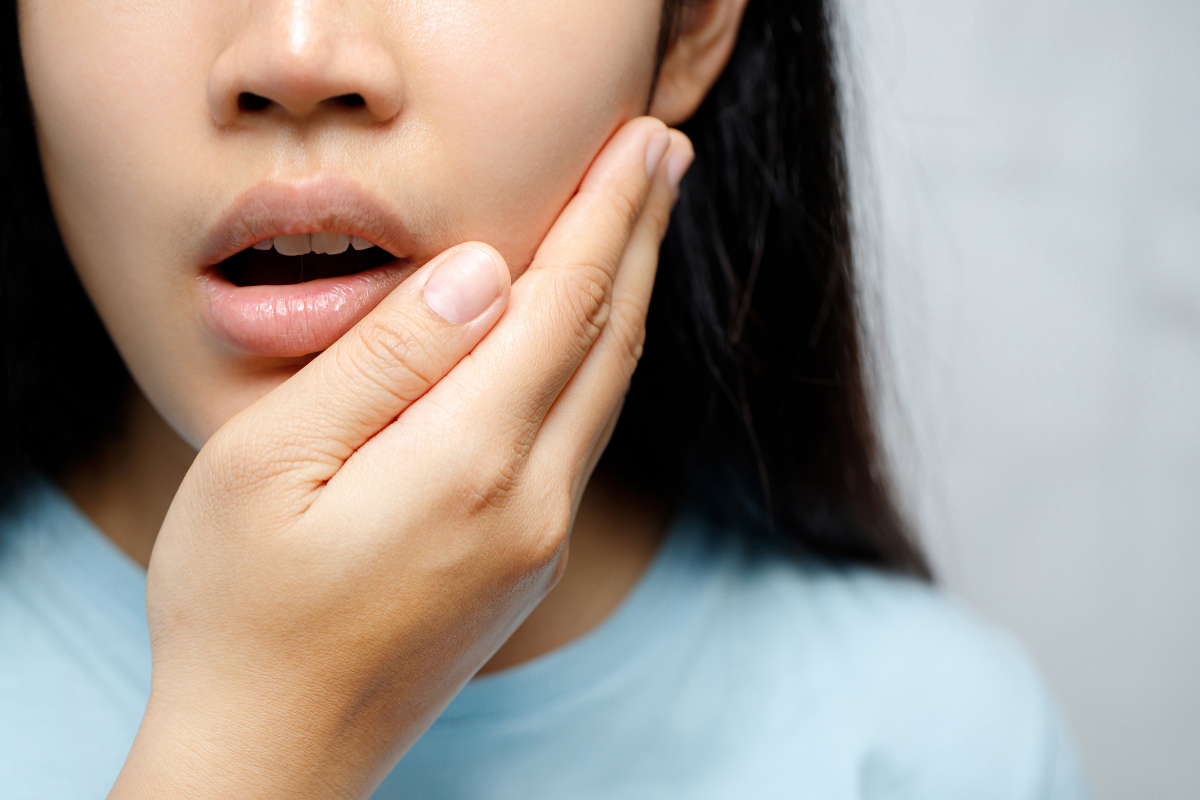
Every week, somewhere in Bartlesville, a person makes an appointment with their primary care physician for headaches. Another person books an appointment with a chiropractor for chronic neck stiffness. Someone else visits a neurologist about facial pain that has been coming and going for months. And in a good number of these cases, the real culprit is sitting quietly in their mouth, waiting to be diagnosed by a dentist.
Jaw pain is one of the most misdiagnosed health complaints in America, and Bartlesville residents are no exception to this pattern. The overlap between dental symptoms and general medical symptoms is wider than most people realize, and the consequences of chasing the wrong diagnosis can mean months of unnecessary treatment, ongoing pain, and in some cases a delayed dental emergency that becomes far more serious than it needed to be.
This article is for anyone in Bartlesville who has been living with unexplained jaw discomfort, facial tension, recurring headaches, ear pain without infection, or clicking and popping in the jaw joint and has not yet talked to a dentist about it. You may be closer to an answer than you think.
The Jaw Is Not an Isolated Structure
To understand why jaw pain is so frequently misdiagnosed, it helps to appreciate just how connected the jaw is to the rest of the head and neck. The temporomandibular joint, commonly called the TMJ, is a sliding hinge joint located just in front of each ear. It connects your lower jaw to your skull and is one of the most complex joints in the human body. It handles chewing, speaking, yawning, and swallowing, performing these actions thousands of times a day without most people giving it a second thought.
When something goes wrong with this joint or the muscles surrounding it, the pain rarely stays local. It radiates. It mimics. It disguises itself as tension headaches at the temples, as earaches that no ear infection can explain, as a stiff neck that no amount of stretching resolves, and as eye socket pressure that sends people straight to an optometrist or neurologist.
This phenomenon, where pain originates in one place but is felt in another, is called referred pain. The jaw is particularly prone to generating referred pain because of the density of nerves in the surrounding structures and the way the trigeminal nerve, which is the largest cranial nerve and the primary sensory nerve of the face, connects jaw function to virtually every part of the head.
What TMJ Disorder Actually Looks Like in Daily Life
Temporomandibular joint disorder, or TMD, is not a single condition. It is an umbrella term for a range of problems affecting the jaw joint, the surrounding muscles, and the bite. In Bartlesville, as elsewhere, it is significantly underdiagnosed, partly because patients present with symptoms that send them to other specialists first.
Here is what TMD can actually look like day to day:
You wake up with a dull headache most mornings, centered around your temples or the back of your head. You have been told it might be tension headaches or dehydration. You drink more water and take ibuprofen, and it helps a little, but it never fully resolves.
Your jaw clicks or pops when you open your mouth wide to eat or yawn. It does not always hurt, so you have dismissed it as a quirk rather than a symptom. Sometimes it locks briefly when you open too wide, and you have to shift your jaw sideways to get it to release.
You have been to your doctor twice about ear pain. Both times, there was no sign of infection. You were told it might be stress. The pain keeps coming back.
Your back teeth feel sore and sensitive, but your last dental X-ray showed no cavities. The sensitivity comes and goes without an obvious trigger.
You grind your teeth at night. Your sleep partner has mentioned it. Your morning jaw stiffness has become so routine that you barely register it anymore.
Each of these, in isolation, might point toward a dozen different causes. Together, they paint a very specific picture that a dentist in Bartlesville who is experienced in TMD assessment can recognize quickly.
When TMJ Problems Become a Dental Emergency in Bartlesville
Most TMD cases are chronic and manageable with conservative treatment. But there are situations where jaw problems cross the line from ongoing discomfort into a genuine dental emergency, and knowing the difference matters enormously.
Jaw locking: If your jaw locks open or closed and you cannot move it at all, this is a dental emergency. A locked jaw can result from a displaced disc inside the temporomandibular joint and requires same-day evaluation. Do not try to force the jaw open or closed. Apply a warm compress to the joint and call a Bartlesville dentist immediately.
Sudden, severe jaw pain after an injury: If you have experienced a fall, a blow to the face, or a car accident and are now experiencing jaw pain, difficulty biting, or visible asymmetry in your face, you may have a fractured jaw or condyle. This is a medical and dental emergency. Head to Jane Phillips Medical Center in Bartlesville or call 911 if the injury is severe, and follow up with a dentist who can assess the bite and joint once your medical status is stable.
Pain accompanied by swelling near the jaw or neck: Swelling in the jaw or neck area alongside tooth or jaw pain can indicate a spreading dental infection rather than a joint problem. Dental abscesses can spread with alarming speed and become life-threatening if they reach the airway or neck. If you have swelling, fever, difficulty opening your mouth, or trouble swallowing alongside jaw pain, this is an emergency dentist situation. Do not wait for a scheduled appointment.
Jaw pain after a dental procedure: Some jaw soreness after a long appointment is normal. But if you are experiencing sharp, persistent jaw pain, difficulty closing your mouth to a comfortable bite, or a feeling that your bite has shifted significantly following dental work, contact your Bartlesville dentist the same day. Post-procedure joint strain and bite misalignment are both correctable, but they are much easier to address quickly than after weeks of compensation.
The Connection Between Your Bite and Your Whole-Body Posture
Here is a dimension of jaw health that almost nobody discusses and that connects dental care to a much broader picture of physical wellbeing.
Your bite, the way your upper and lower teeth come together, is a reference point for your entire skeletal posture. When the bite is misaligned, whether due to missing teeth, worn-down enamel, a poorly fitting dental restoration, or TMD, the body compensates. The muscles of the jaw, neck, and shoulders begin to work harder and differently to stabilize the head. Over time, this compensation shows up as chronic neck tightness, shoulder asymmetry, and even low back tension.
This is not a fringe theory. Research published in dental and physical therapy literature has documented the relationship between occlusal misalignment (bite problems) and postural changes. Physical therapists in Bartlesville who treat neck and shoulder pain will sometimes refer patients to a dentist when conventional musculoskeletal treatment is not working. Dentists who assess bite relationship and jaw function can often identify whether a dental structural issue is contributing to broader postural strain.
The practical implication for Bartlesville residents is this: if you have been in physical therapy, chiropractic care, or orthopedic treatment for neck and shoulder issues without lasting relief, it may be worth scheduling a dental evaluation specifically focused on bite assessment and jaw function. It is an angle that is rarely suggested and frequently illuminating.
How a Dentist in Bartlesville Evaluates Jaw Pain
If you walk into a dental office in Bartlesville specifically to discuss jaw pain or suspected TMD, here is what a thorough evaluation should include.
A detailed symptom history is the starting point. When did the pain begin? Is it worse in the morning or evening? Does it correlate with stress, chewing certain foods, or sleeping position? Have you had any recent dental work, injuries, or changes in your bite?
A visual and manual examination of the joint follows. The dentist will observe how your jaw moves as you open and close, feel for clicking or popping at the joint, assess the range of motion, and look for any asymmetry. They will also examine your teeth for signs of wear patterns that indicate nighttime grinding or clenching, a condition called bruxism that is a major driver of TMD in adults.
Dental X-rays, and in some cases a cone beam CT scan, allow the provider to assess the actual structure of the temporomandibular joint and identify any bony changes, erosion, or disc displacement that would not be visible on a standard exam.
Finally, a bite analysis evaluates how your teeth come together across your full mouth. Even a single missing tooth or a slightly high dental crown can alter the forces across the entire jaw system over time.
Practical Steps for Bartlesville Residents Living with Jaw Pain
While you are arranging a dental evaluation, there are evidence-based ways to reduce jaw pain and prevent it from escalating.
Avoid wide-opening foods temporarily. Bagels, large sandwiches, and hard fruits that require your jaw to open very wide can aggravate an already inflamed joint. Cut food into smaller pieces for a few weeks while you seek evaluation.
Apply moist heat to the jaw joint for 15 to 20 minutes twice daily. Moist heat increases blood flow to inflamed muscle tissue and can reduce the morning stiffness that many TMD sufferers experience.
Be mindful of jaw habits during the day. Many people clench their teeth during concentration, driving, or stress without realizing it. A helpful cue is to check in with your jaw periodically throughout the day: lips together, teeth apart, tongue resting lightly on the roof of the mouth. This is the resting position your jaw prefers.
Talk to your dentist about a night guard. A custom-fitted night guard, fabricated by a Bartlesville dentist and designed specifically for your bite, can dramatically reduce the damage caused by nighttime grinding and relieve pressure on the temporomandibular joint while you sleep. Over-the-counter guards are available but rarely fit well enough to be genuinely therapeutic.
Your Jaw Deserves a Dentist Who Listens in Bartlesville
Jaw pain is one of those health complaints that falls through the cracks of the medical system simply because it does not have an obvious home. It is not quite a dental problem, not quite a neurological problem, not quite a musculoskeletal problem, yet it is all three at once. The best starting point for most people in Bartlesville is a dental provider who takes the time to evaluate the whole picture, not just the teeth in isolation.
Whether you are managing a long-standing jaw issue, waking up with unexplained headaches, or suddenly facing an acute dental emergency that cannot wait, Bartlesville Dental Studio is the team you want in your corner. Their approach goes beyond routine checkups to address the full complexity of your oral health, including jaw function, bite alignment, and emergency dental needs.
Call Bartlesville Dental Studio at 539-357-3935 today to schedule your comprehensive dental evaluation. Do not let jaw pain keep sending you in the wrong direction. The answers you have been looking for may be one appointment away.