2320 Nowata Pl, Bartlesville, OK 74006

7 Signs You May Need a Dental Crown
Request Appointment

A tooth can look fine at first glance and still have damage that needs attention. You might notice a sharp twinge when biting into food, sensitivity that keeps returning, or a small piece of a tooth that has chipped away. These changes do not always mean you need a dental crown, but they are worth discussing with your dentist.
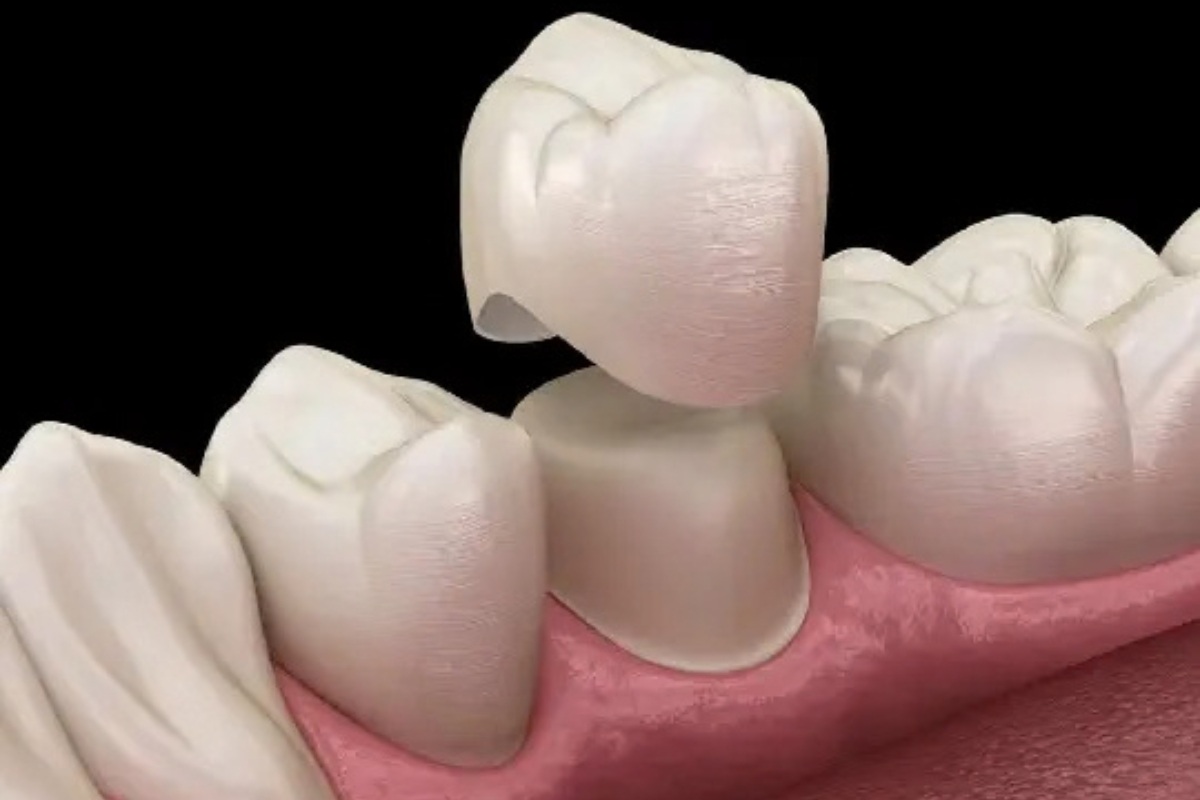
A dental crown is a custom-made covering that fits over a tooth to restore its shape, strength, and function. If you are exploring treatment options, learning about dental crowns in Bartlesville can help you understand how this treatment may protect a damaged tooth.
So, how can you tell when a crown might be necessary? Here are seven signs to watch for and what to do if you notice them.
Quick Answer: What Are the Signs You Need a Dental Crown?
Common signs you may need a dental crown include a cracked or chipped tooth, significant decay, pain when chewing, persistent sensitivity, a weakened tooth after root canal treatment, a large or failing filling, or a worn-down tooth. These symptoms do not automatically mean a crown is necessary. A dentist must examine the tooth and determine which treatment is appropriate.
1. Your Tooth Is Cracked or Chipped
A crack or chip can weaken a tooth, especially when the damage affects the part used for chewing. Small chips may only need smoothing or bonding, but more extensive damage may require a crown to cover and protect the remaining tooth structure.
Cracks can sometimes be difficult to see. You might notice discomfort when biting, sensitivity to temperature, or pain that comes and goes rather than remaining constant.
What to do: Avoid chewing hard foods on the affected side and arrange a dental evaluation. A dentist can assess the location and extent of the damage and recommend suitable treatment.
2. You Have Tooth Pain When Chewing
Pain or discomfort when biting down can indicate that a tooth is damaged, weakened, or affected by another dental problem. A cracked tooth, deep cavity, or damaged restoration may cause this symptom.
A crown may be recommended when the tooth has lost enough strength that a filling alone would not provide adequate support. However, pain during chewing can also result from gum problems, bite issues, or inflammation inside the tooth.
Do not assume that a crown is the only solution. Your dentist needs to identify the cause before recommending treatment.
What to do: Note when the pain occurs, whether it is sharp or dull, and whether it continues after you stop chewing. Share these details during your appointment.
3. You Have a Large Cavity or Extensive Tooth Decay
Small cavities can often be repaired with fillings. When decay removes a substantial amount of the tooth’s natural structure, however, the remaining tooth may be too weak to withstand normal biting forces.
In these cases, a crown may be used to cover the tooth and help restore its shape and function. The dentist must first remove the decayed tissue and determine whether enough healthy tooth remains to support the restoration.
The earlier you address a cavity, the more treatment options may be available. Delaying care can allow decay to progress and potentially affect the inner portion of the tooth.
What to do: Schedule an examination if you notice a visible hole, food repeatedly catching in one area, or sensitivity that is becoming more frequent.
4. Your Tooth Is Sensitive to Hot or Cold
Sensitivity when drinking hot coffee or eating ice cream can have several causes, including exposed tooth roots, worn enamel, cavities, or a cracked tooth.
Sensitivity alone does not necessarily mean you need a crown. The important clues are how long it lasts, how severe it is, and whether it occurs alongside other symptoms, such as pain when chewing.
If a tooth is significantly damaged, a crown may be part of the treatment plan. If the cause is minor or related to gum recession, a different approach may be more appropriate.
What to do: Pay attention to persistent or worsening sensitivity, particularly when it affects just one tooth. Seek dental advice rather than relying only on desensitizing toothpaste.
5. You Have Had a Root Canal
Root canal treatment removes infected or inflamed tissue from inside a tooth. Although it can help preserve the natural tooth, the amount of existing damage and the remaining tooth structure influence how the tooth should be restored.
Some teeth treated with a root canal need a crown to provide additional protection against fracture, particularly when a large amount of tooth structure has been lost. Not every tooth requires the same restoration, so your dentist will assess its location, condition, and function.
What to do: Follow your dentist’s recommendations for the final restoration. If a crown has been recommended, ask about the risks of delaying it and how to care for the tooth in the meantime.
6. You Have a Large, Worn, or Damaged Filling
Fillings restore areas affected by decay, but they can wear down, crack, or become damaged over time. A tooth with a very large filling may also have less natural structure remaining to support everyday chewing.
If a filling repeatedly breaks or the surrounding tooth becomes weakened, a crown may offer more coverage than another filling. In other situations, replacing the filling may still be sufficient.
Your dentist will consider the size of the damaged area, the condition of the remaining tooth, and your bite before recommending a solution.
What to do: Arrange an examination if a filling feels loose, a piece breaks off, or food frequently catches around the restoration. Avoid trying to repair it yourself.
7. Your Teeth Are Worn Down or Keep Breaking
Teeth can gradually wear down from grinding or clenching, acid erosion, and other causes. Significant wear may change how your teeth fit together, affect chewing, or leave the remaining structure vulnerable to further damage.
A crown may be appropriate for certain severely worn or weakened teeth, but treatment depends on why the wear occurred and how extensive it is. Your dentist may also recommend addressing the underlying cause, such as nighttime grinding, to help protect your teeth.
What to do: Tell your dentist if you wake with jaw soreness, notice flattened tooth surfaces, or have repeated chips. If grinding is contributing to the damage, a protective nightguard may be considered.
What Happens During a Dental Crown Appointment?
If your dentist recommends a crown, the next step is to understand the process and what your tooth needs. Treatment generally involves examining the tooth, taking dental X-rays when indicated, preparing the tooth, and making an impression or digital scan for the restoration.
A temporary crown may be placed while a permanent one is being made. At a later appointment, the dentist checks the fit and bite before securing the final crown.
The exact process depends on the tooth’s condition and the type of restoration selected. If the tooth has extensive decay or infection, additional treatment may be necessary before placing a crown.
Can You Prevent the Need for a Dental Crown?
Not every damaged tooth can be prevented, but good oral care can reduce the risk of some problems.
- Brush twice daily with fluoride toothpaste and clean between your teeth every day.
- Attend regular dental checkups to identify cavities and other concerns early.
- Avoid chewing ice and other very hard objects.
- Address teeth grinding or clenching with your dentist.
- Seek care promptly for a chipped tooth, persistent sensitivity, or pain when chewing.
- Follow instructions for caring for existing fillings and crowns.
If an existing crown becomes loose, avoid chewing on that side and contact your dentist promptly. For practical guidance, read what to do if your dental crown is loose. Do not attempt to glue a crown back into place with household adhesives.
Frequently Asked Questions
1. How do I know if I need a dental crown or a filling?
A filling may be sufficient for a small cavity or limited damage. A crown may be recommended when a tooth has extensive decay, a large failing filling, or significant structural weakness. Your dentist can assess the tooth and explain which option is appropriate.
2. Can I need a dental crown without having tooth pain?
Yes. Some cracks, weakened teeth, and areas of decay may not cause noticeable pain initially. Regular dental examinations can help identify problems before symptoms become obvious.
3. Is a cracked tooth always treated with a crown?
No. Treatment depends on the crack’s location, depth, and severity. Minor chips may need only smoothing or bonding, while more extensive damage may require a crown or another treatment. A severely damaged tooth may need a different approach.
4. How long can I wait if I think I need a crown?
It depends on the underlying problem. A small chip without pain may be less urgent than a deep crack or significant pain when biting. Arrange a dental evaluation promptly, and seek urgent care for severe pain, facial swelling, or signs of infection. Difficulty breathing or swallowing requires emergency medical attention.
5. Does getting a dental crown hurt?
The procedure typically involves local anesthesia to numb the tooth and surrounding area. You may experience some temporary sensitivity or gum tenderness afterward. Your dentist can explain what to expect based on your specific treatment.
Protect Your Tooth With Timely Dental Care
A cracked tooth, recurring pain when chewing, extensive decay, or a damaged filling may be among the signs you need a dental crown. However, these symptoms can have several causes, and not every tooth requires the same treatment.
If you have noticed changes in a tooth, the team at Bartlesville Dental Studio can evaluate the problem and discuss appropriate treatment options.
Getting a dental concern checked early can help you understand your options and make an informed decision about protecting your smile.