2320 Nowata Pl, Bartlesville, OK 74006

7 Tips for a Smooth Root Canal Treatment Recovery in Bartlesville, OK
Request Appointment

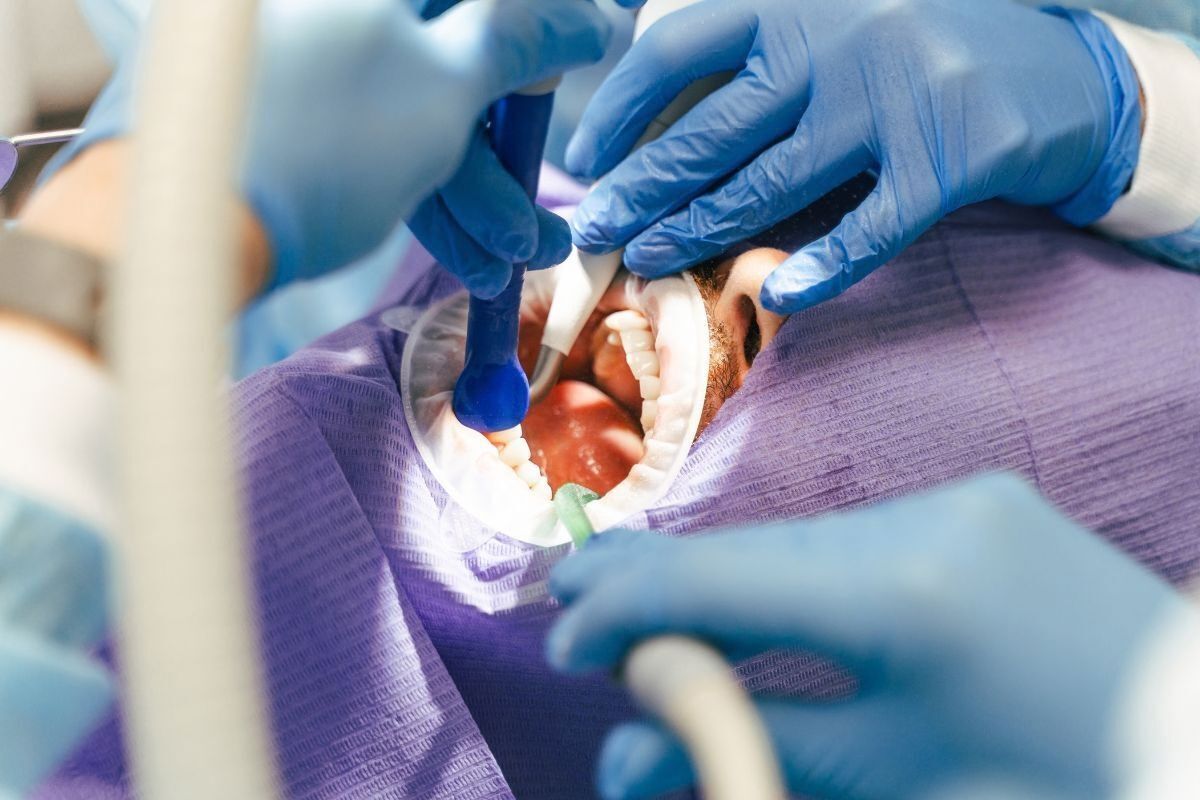
Getting a root canal doesn’t have to be overwhelming, especially when you’re in the hands of a trusted Bartlesville dentist. At Bartlesville Dental Studio, we understand that patients often feel anxious not just about the root canal procedure itself, but also about what comes next.
Thankfully, with the proper care, most people recover quickly and comfortably from root canal therapy in Bartlesville. Whether you’re curious about root canal before-and-after results or looking for clear guidance on how to ease your healing, our team is here to support you every step of the way. Here are seven recovery tips to help you bounce back with confidence after visiting your dentist in Bartlesville.
1. Take it Easy and Skip the Gym
After your RCT dental procedure, it’s essential to take a step back from physically demanding activities. Strenuous workouts or heavy lifting can interfere with healing and may increase discomfort or swelling. For the first 48 hours after your root canal of tooth, allow your body time to rest and recover. This is the perfect excuse to catch up on your favorite shows or dive into that book you’ve been putting off.
2. Wait Before You Eat
Your mouth may feel numb for a few hours following the root canal procedure, which makes eating a risky idea. Biting your cheek or tongue without realizing it is a common post-treatment hazard. Wait until the anesthesia wears off completely before reaching for any food your mouth will thank you.
3. Embrace the Ice Cream
Here’s a silver lining to your RCT treatment – ice cream is on the approved list! The cold helps soothe the area and reduce inflammation. Stick with smooth, nut-free varieties, and avoid anything hard or chewy. Also, steer clear of hot drinks, alcohol, and straws for a few days to avoid disturbing the healing site.
4. Sleep Helps You Heal Faster
Don’t underestimate the power of a good night’s rest. Sleep gives your body the downtime it needs to repair itself after a canal root treatment. Make sure to elevate your head when lying down to minimize pressure and pain in the treated area. Poor sleep can stall recovery and increase sensitivity, so get those Z’s!
5. Keep Things Clean with Salt Water Rinses
A simple saltwater rinse can do wonders for healing after root canal dental work. This gentle rinse reduces bacteria, lowers the risk of infection, and soothes irritated gums. Use warm, not hot, salt water once or twice daily to keep the area clean and aid in healing.
6. Listen to Your Body
It’s normal to feel mild pain or tenderness for a few days after your RCT dental procedure. However, if discomfort increases or if you experience swelling or signs of infection, don’t ignore it. Reach out to your dentist right away. Prompt care can help you avoid complications and additional treatment.
7. Use Pain Relievers if Needed
Over-the-counter pain medication like ibuprofen can help you manage soreness following a root canal of a tooth. Most discomfort is temporary and manageable, but there’s no reason to tough it out. Medication can keep inflammation in check while your mouth heals.
What Is Normal During Root Canal Treatment Recovery?
A common question is whether soreness after a root canal means something went wrong.
Usually, mild tenderness for several days can be part of normal recovery. The tooth may feel different from your other teeth, particularly when you bite down. This should generally become more comfortable rather than progressively worse.
The recovery experience can vary depending on the condition of the tooth before treatment, the complexity of the procedure, and whether additional restorative work is needed.
If your symptoms are getting worse instead of better, don’t try to simply wait them out. Your dentist can determine whether the tooth is healing normally or whether something needs additional attention.
How Long Does It Take to Recover From a Root Canal?
For many patients, the most noticeable soreness improves within a few days. The American Association of Endodontists says most patients experience improvement in symptoms within approximately three to five days, although individual recovery can vary.
That doesn’t mean the tooth is immediately finished with its entire treatment process. If a permanent crown or filling is still needed, that restoration should be completed according to your dentist’s recommendations.
So, think of recovery in two parts:
- Short-term recovery: tenderness and sensitivity settle as the tissues around the tooth heal.
- Long-term restoration: the tooth is permanently restored and maintained through normal dental care.
When Should You Contact a Dentist After a Root Canal?
Call your dentist if you have severe or worsening pain, visible swelling, a persistent uneven bite, loss of a temporary restoration, or a return of symptoms that were present before treatment.
Don’t assume that significant pain is simply something you have to tolerate.
Likewise, if you develop facial swelling, fever, difficulty swallowing, or difficulty breathing, seek urgent medical or dental care. Those symptoms can indicate a more serious infection requiring prompt evaluation.
Root Canal Recovery in Bartlesville
If you’ve recently had root canal treatment, following your dentist’s specific instructions is the best way to support a smooth recovery. Protect the treated tooth, keep your mouth clean, manage discomfort as directed, and complete any recommended permanent restoration.
For patients looking for root canal therapy in Bartlesville, Bartlesville Dental Studio provides root canal treatment and follow-up care. The practice’s root canal service information also covers common symptoms, treatment expectations, recovery, and the importance of protecting the treated tooth while it is being restored.
Frequently Asked Questions
Can I go back to work after a root canal?
Many patients can return to work or their normal routine the same day, particularly once the effects of the local anesthetic have worn off. If you’re uncomfortable or your dentist gives you different instructions, give yourself more time to rest.
Can I eat after a root canal?
Yes, but wait until the numbness from anesthesia has worn off before eating so you don’t accidentally bite your cheek or tongue. Start with foods that are comfortable to chew and avoid putting heavy pressure on the treated tooth until you’ve been cleared to use it normally.
How long will my tooth hurt after a root canal?
Mild soreness or sensitivity can occur for a few days. The AAE reports that most patients see symptoms improve within three to five days. Pain that is severe, persistent, or getting worse should be evaluated by your dentist.
Can I brush my teeth after a root canal?
In general, normal brushing and flossing should continue unless your dentist gives you different instructions. Be gentle around areas that feel tender and follow any specific directions provided after your procedure.
Do I need a crown after a root canal?
Not every tooth has exactly the same restoration needs. Back teeth often benefit from crowns because they withstand substantial chewing forces, while some front teeth may be restored differently. Your dentist can recommend the appropriate restoration based on the tooth’s location and remaining structure.
What should I avoid after a root canal?
The most important thing is to avoid putting unnecessary chewing pressure on the treated tooth until it has been fully restored or your dentist says it is safe to do so. Avoid very hard foods and habits such as chewing ice or using your teeth as tools.
What if my tooth still hurts several days after the root canal?
If pain is not improving, becomes severe, or is accompanied by swelling or other concerning symptoms, contact your dentist. Persistent or increasing symptoms deserve an evaluation rather than being treated as routine recovery.