2320 Nowata Pl, Bartlesville, OK 74006

How to Stop Gum Disease from Progressing?
Request Appointment

“How do you stop gum disease from progressing?” – The answer is simple but time-sensitive: act early, follow evidence-based oral care habits, and seek timely professional guidance before damage becomes irreversible. This article explains precisely how gum disease progresses, what warning signs to watch for, and which proven steps can prevent long-term complications.
At Bartlesville Dental Studio, patients often ask how to protect their smiles before problems escalate. Below, you’ll find a practical, prevention-focused guide designed specifically for Bartlesville residents—grounded in clinical knowledge and real-world dental care.
What Is Gum Disease and How Does It Progress
Gum disease is a bacterial condition affecting the tissues that support your teeth. It typically begins as gingivitis (reversible inflammation) and can advance into periodontal disease, where infection spreads deeper below the gumline.
The primary causes of gum disease include plaque buildup, inadequate oral hygiene, and delayed professional care. As plaque hardens into tartar, bacteria trigger inflammation, leading to attachment loss and bone damage. These same mechanisms explain the periodontal disease causes dentists focus on during exams—bacterial biofilm, host response, and untreated inflammation.
Catching the condition early is critical. Once bone loss begins, the condition may advance into severe periodontal disease, requiring more complex intervention.
Early Signs You Shouldn’t Ignore
Many people underestimate the early symptoms of gum disease, assuming they are temporary. In reality, these warning signs often indicate active infection:
- Bleeding during brushing or flossing
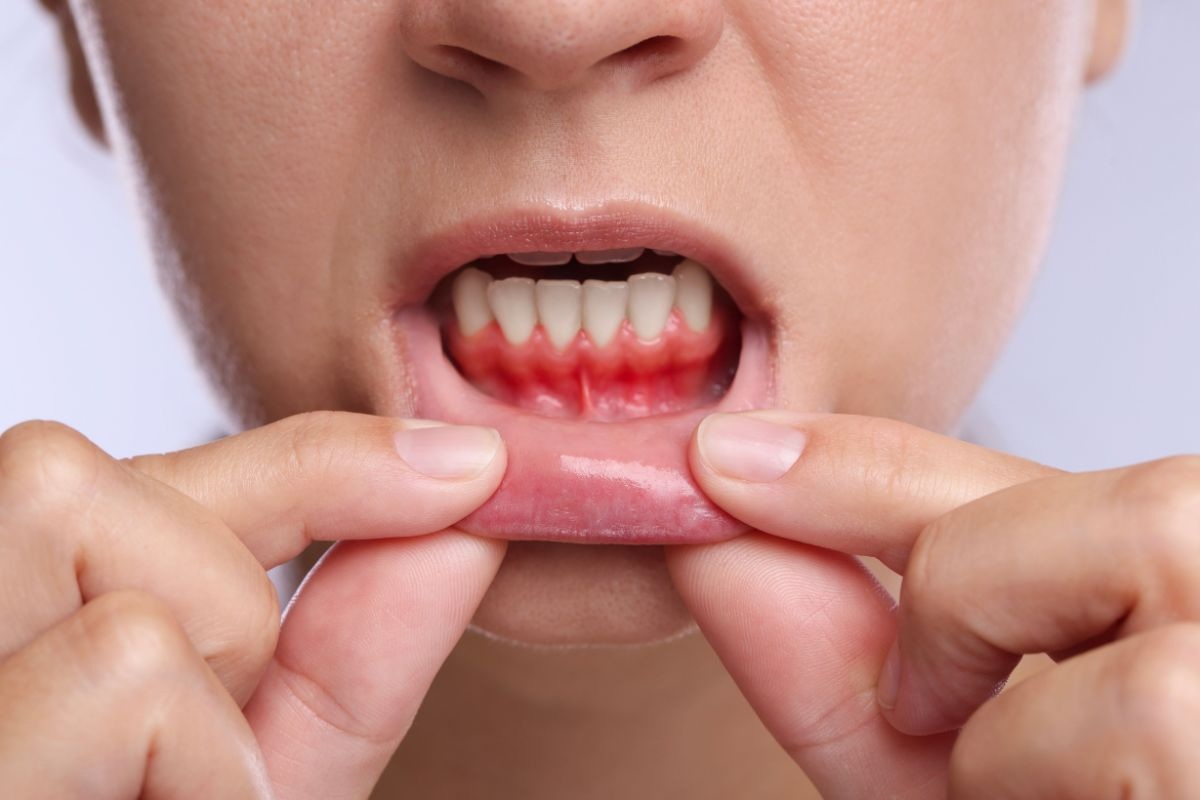
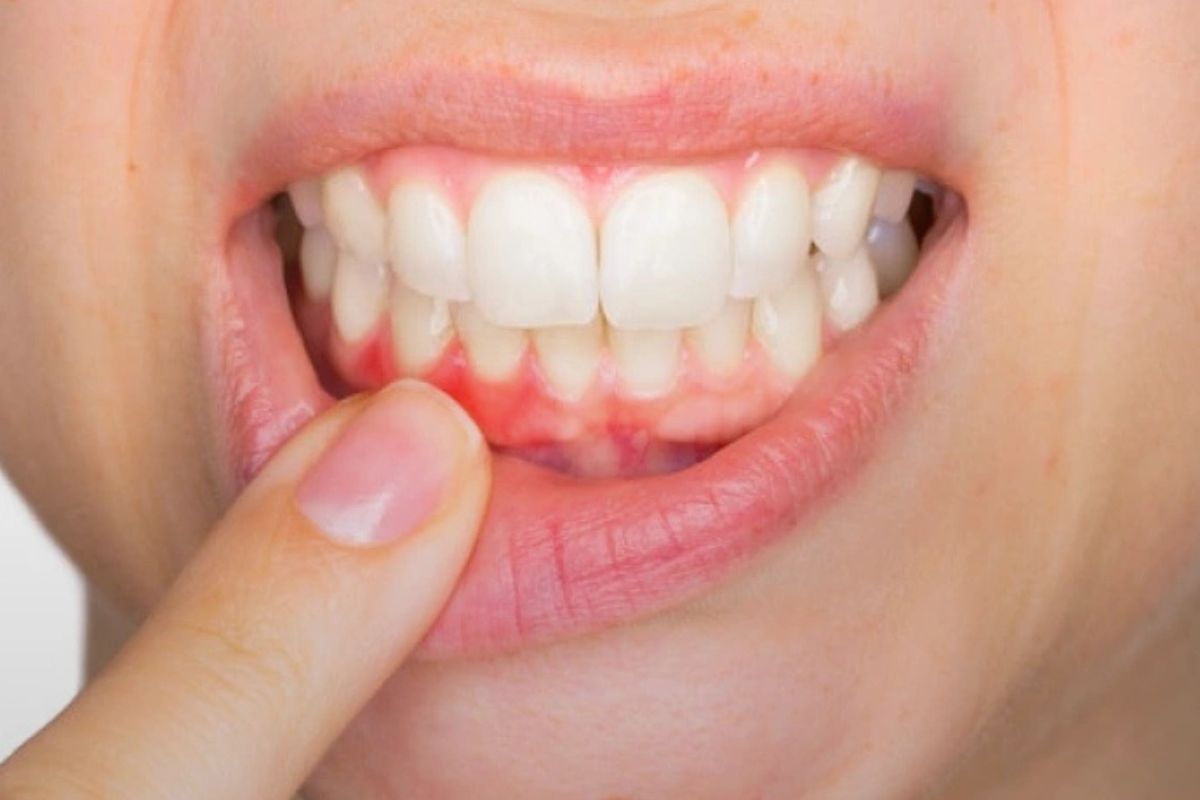
- Swollen, tender, or red gums
- Persistent bad breath or unpleasant taste
- Gum recession or “longer-looking” teeth
- Tooth mobility or bite changes
These are common gum disease symptoms that signal inflammation below the surface. Left untreated, a localized gum infection can spread and compromise surrounding bone and teeth.
Proven Ways to Stop Gum Disease From Progressing
Improve Daily Oral Hygiene
Consistent home care is the foundation of prevention for both gingivitis and early periodontal disease:
- Brush twice daily with fluoride toothpaste
- Angle the brush at 45° toward the gumline
- Floss once daily to disrupt plaque between teeth
- Use interdental brushes or water flossers when recommended
This routine directly reduces bacterial buildup linked to periodontal disease causes and ongoing inflammation.
Use Antibacterial Mouthwash
An ADA-approved antimicrobial rinse can help control bacterial load at the gum margin. When used correctly, it supports daily care and reduces reinfection risk after gum disease treatment has begun.
See Your Dentist Regularly
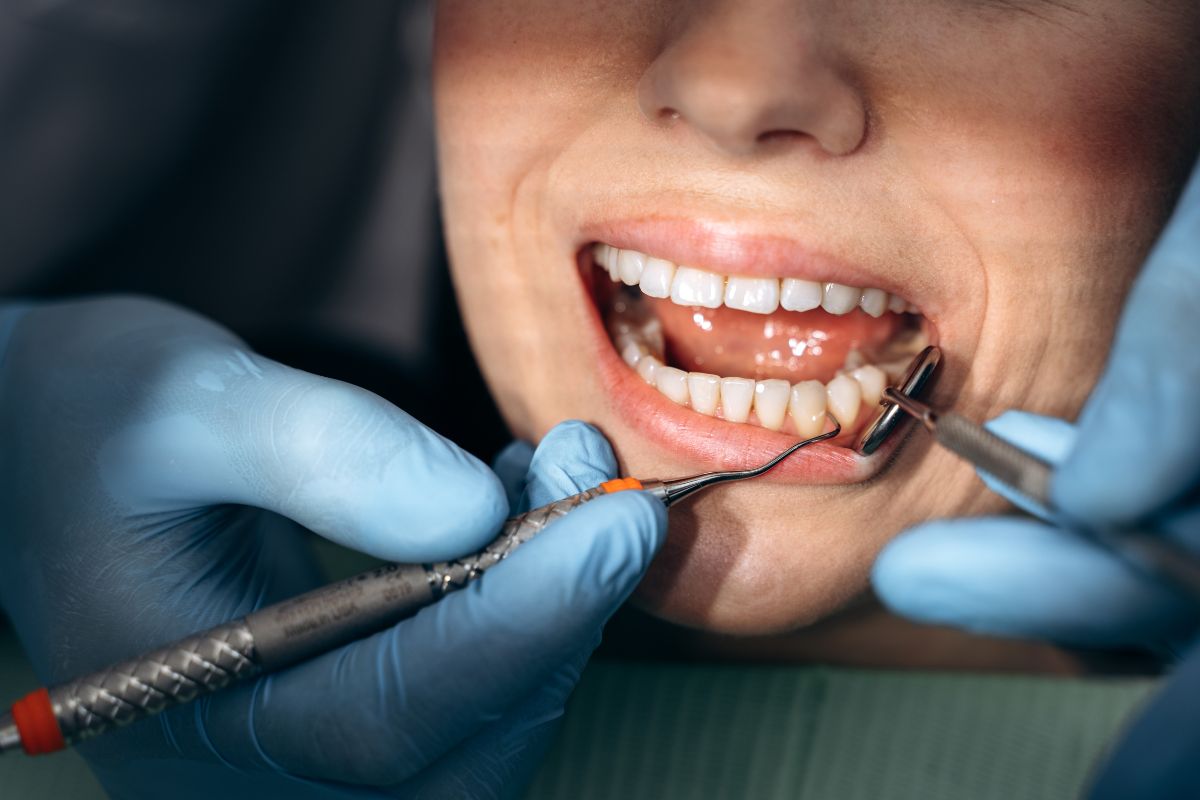
Professional cleanings remove hardened tartar that brushing cannot. Routine visits—typically every six months—are essential for slowing or halting progression into severe gum disease.
If you’re searching for a dentist near your home or work in Bartlesville, preventive checkups play a major role in avoiding advanced complications.
Address Lifestyle Factors
Certain habits and health conditions significantly influence outcomes:
- Smoking accelerates tissue breakdown and bone loss
- Poor nutrition weakens the gum healing response
- Diabetes increases susceptibility to gum infection
Managing these factors reduces the likelihood of developing severe periodontal disease over time.
Follow Through With Recommended Dental Treatments
When inflammation extends below the gumline, professional intervention is necessary. Common options include deep cleanings (scaling and root planing) and ongoing maintenance.
For advanced cases, a referral to a periodontist may be required to manage complex bone and tissue involvement. These steps form the backbone of effective periodontal disease treatment, preventing further attachment loss.
When to Seek Immediate Professional Help
Contact a dental professional promptly if you notice:
- Bleeding that persists despite good hygiene
- Pain, swelling, or pus around the gums
- Sudden tooth looseness or rapid gum recession
If you’re searching online for a dentist near me or a trusted Bartlesville dentist, a timely evaluation can prevent permanent damage and tooth loss.
Protect Your Smile Before Damage Becomes Permanent
Stopping gum disease is possible—but only with early action and consistent care. By recognizing symptoms of gum disease, addressing risk factors, and committing to appropriate gum disease treatment, you can preserve both your teeth and oral health.
At Bartlesville Dental Studio, the focus is on prevention, patient education, and personalized periodontal disease treatment plans. If you’re concerned about progression or need guidance from a skilled periodontist-led team, schedule a consultation today. Early care now can save you from complex procedures later—protect your smile while you still can.
FAQs
Q. Can you stop gum disease from worsening?
A: Yes—when caught early, gum disease is reversible. Once bone loss has occurred, it can’t be reversed, but it can be effectively managed with proper treatment and consistent oral care.
Q. Can gum disease cause headaches?
A: Yes. Gum disease can contribute to headaches by triggering inflammation, irritating facial nerves, affecting blood vessels, or worsening TMJ-related strain. Treating the infection often helps reduce headache frequency.
Q. What kills periodontitis bacteria?
A: By combining thorough daily oral hygiene with professional care. This includes brushing and flossing, deep cleanings (scaling and root planing), and—when needed—antimicrobial rinses, antibiotics, or laser therapy to eliminate bacteria from deep gum pockets.
Q. What are signs of serious gum disease?
A: Signs include loose or shifting teeth, painful chewing, receding gums, pus between the teeth and gums, persistent bad breath, and deep gum pockets—often indicating bone loss and a high risk of tooth loss if untreated.