2320 Nowata Pl, Bartlesville, OK 74006

Dentist Answers: Will Dental Implants Stop Bone Loss?
Request Appointment

If you’ve recently lost a tooth, you may be wondering: Will dental implants stop bone loss? It’s one of the most common questions patients ask at a dentist in Bartlesville. The short answer is — in many cases, yes. But timing, bone quality, and proper care all matter.
If you’re searching for a dentist near me to discuss tooth replacement, this guide will help you understand how an implant tooth works and how it affects jawbone health.
Why Does Bone Loss Happen After Tooth Loss?
When a natural tooth is removed or lost, the jawbone underneath no longer receives stimulation from chewing. Your tooth roots send pressure signals into the bone every time you bite. Without that stimulation, the body begins to resorb the bone.
This leads to:
- Shrinking jawbone
- Changes in facial appearance
- Shifting of nearby teeth
- Increased difficulty in placing future implants
- Problems with dentures fitting properly
This process is known as bone loss in teeth, and it can begin within months after extraction.
How an Implant Helps Prevent Bone Loss
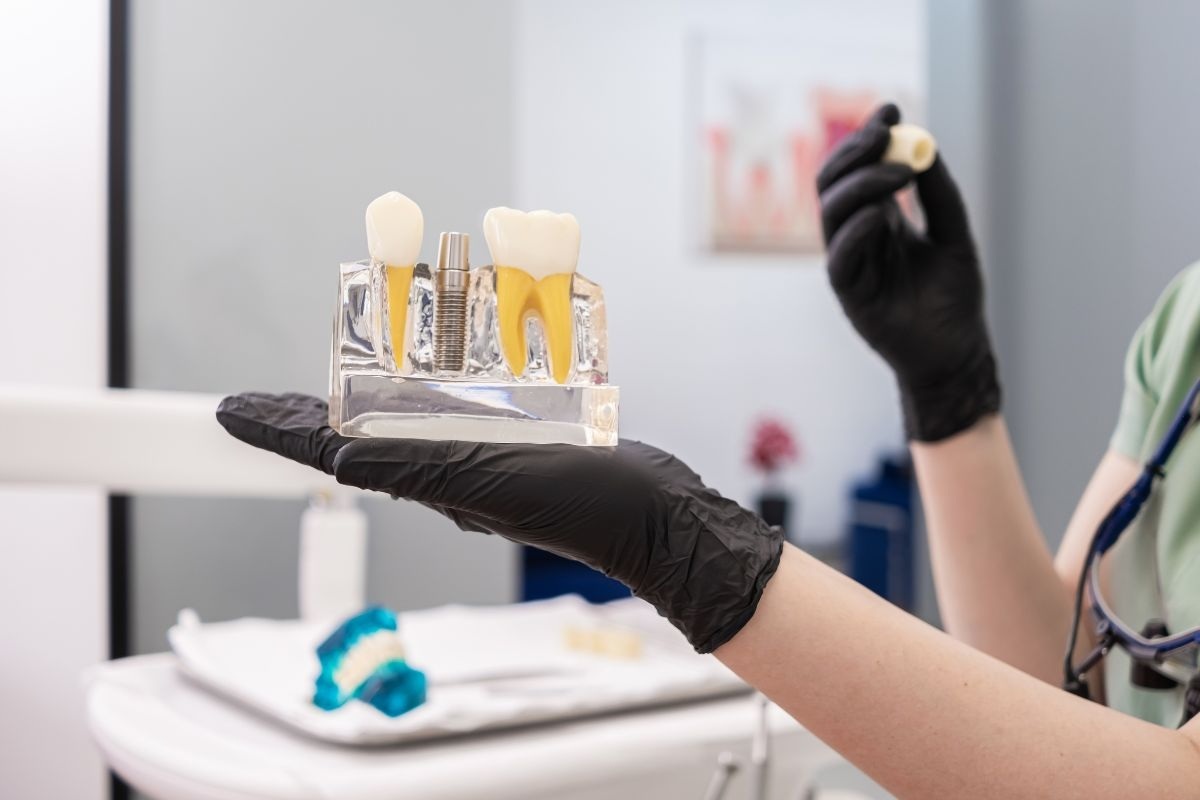
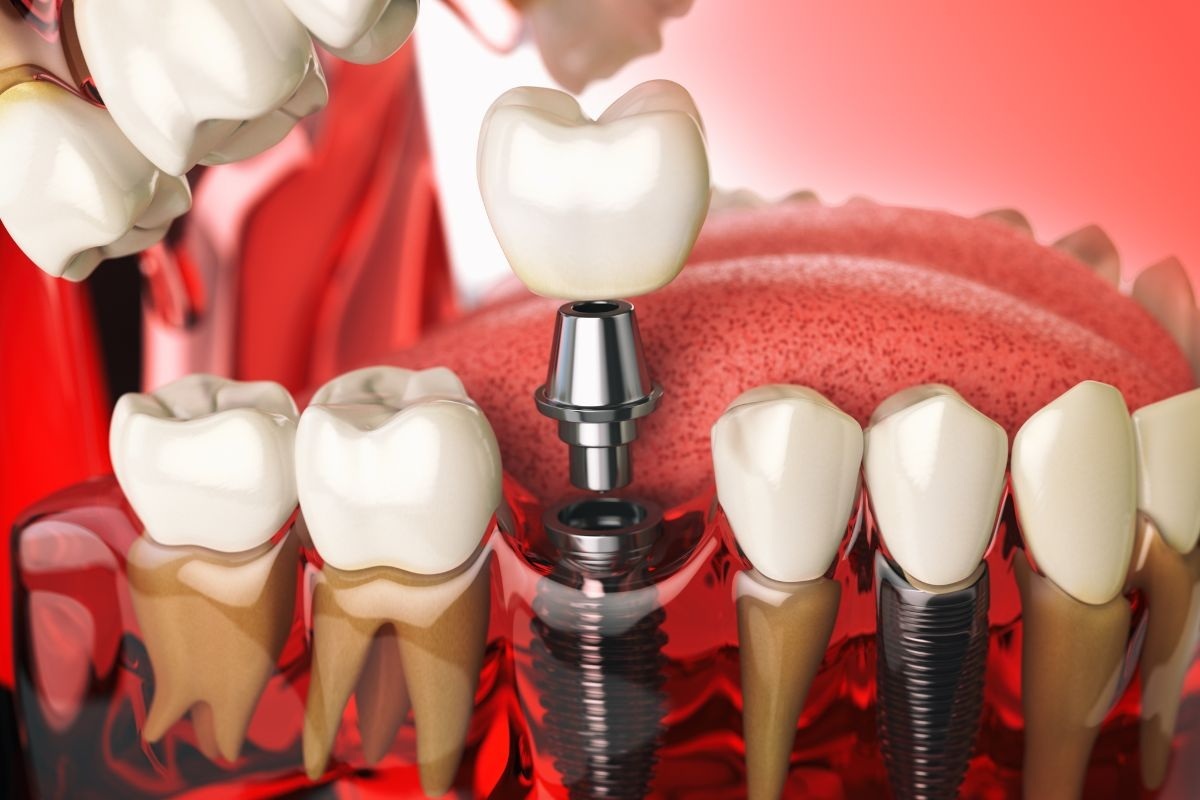
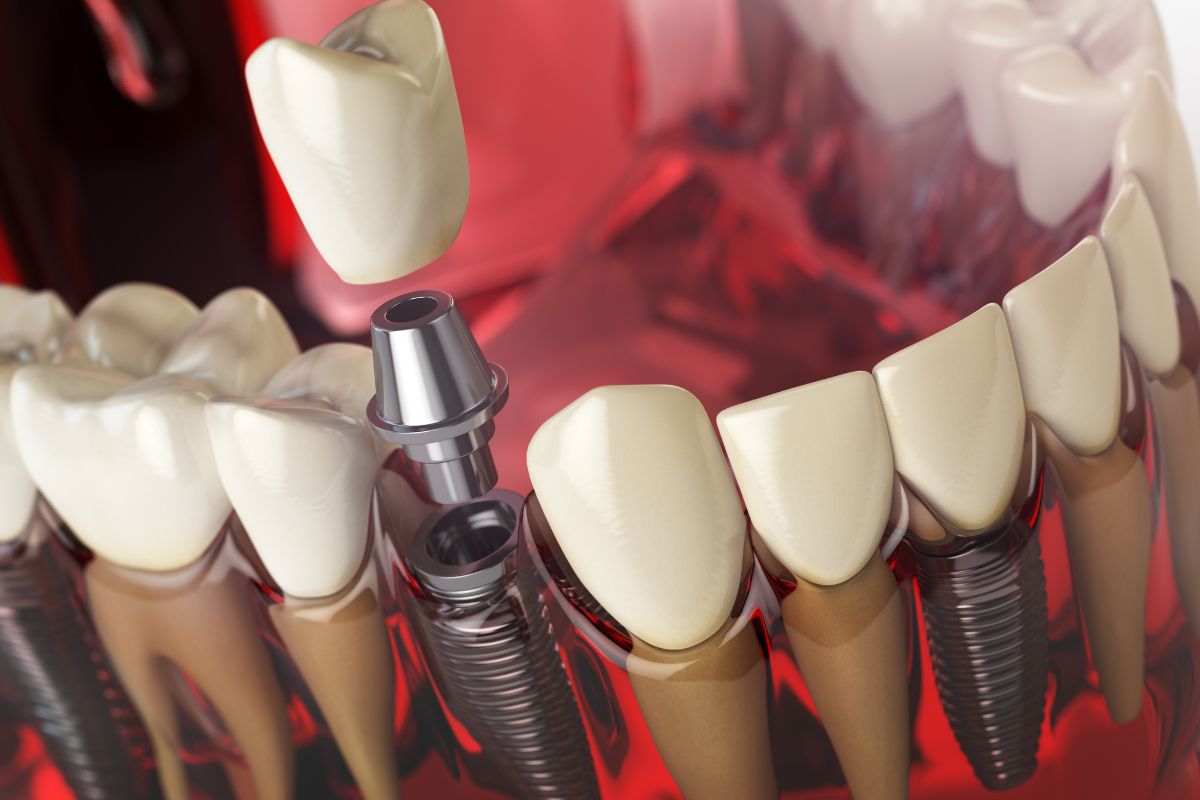
An implant is a small titanium post placed into the jawbone where the tooth root used to be. Over time, it fuses with the bone in a process called osseointegration.
Here’s why that matters:
- The implant acts like a natural tooth root.
- It transfers chewing forces into the bone.
- It stimulates the jaw, helping maintain bone density.
That’s why many dentists say dental implants are the only tooth replacement option that helps reduce bone loss, and dental implants are considered the gold standard for long-term stability.
Unlike dentures or bridges, which sit on top of the gums, implants support the bone from within.
When Dental Implants Do Stop Bone Loss
In ideal conditions, dental implants can significantly slow or stop bone loss in the treated area.
This usually happens when:
- The implant is placed soon after tooth extraction.
- The patient has adequate bone volume.
- Healing occurs without complications.
- The patient maintains good oral hygiene.
If you act early, your Bartlesville Dentist may even recommend immediate implant placement to reduce bone shrinkage after extraction.
When Implants May Not Fully Prevent Bone Loss
It’s important to be realistic. While implants are highly effective, they are not magic.
You may still experience bone loss around dental implants in certain situations:
1. Implant Failure
Implant failure can occur if the implant does not properly integrate with the bone. Causes may include:
- Smoking
- Poor oral hygiene
- Uncontrolled diabetes
- Infection
- Insufficient bone density
When this happens, patients may experience failed dental implants that require removal and replacement.
2. Peri-Implantitis
This is an infection around the implant that causes inflammation and bone loss with dental implants. It is similar to gum disease but affects implants specifically.
3. Delayed Treatment
If you wait years after losing a tooth, significant bone resorption may already have occurred. In these cases, implants alone may not restore lost volume without additional procedures.
Can I Get Dental Implants With Bone Loss?
Many patients ask: “Can I get dental implants with bone loss?”
The answer is often yes — but additional treatment may be needed.
Your dentist in Bartlesville may recommend:
- Bone grafting
- Ridge preservation
- Sinus lift procedures
- Guided bone regeneration
These procedures rebuild the jaw so an implant tooth can be placed securely.
Advanced imaging, such as 3D CBCT scans, allows your dentist to evaluate bone quality and determine whether implants are possible.
What Happens During a Bartlesville Implant Consultation?
When you visit a dentist near me for implant evaluation, here’s what you can expect:
1. Comprehensive Exam
Your dentist will assess your gums, remaining teeth, and bite.
2. 3D Imaging
CBCT scans measure bone density and volume.
3. Treatment Plan
You’ll learn:
- Whether implants are suitable
- If grafting is needed
- Timeline and healing expectations
- Cost estimates
4. Personalized Risk Assessment
Your dentist will evaluate your health history to reduce the risk of implant failure.
Common Causes of Bone Loss Around Dental Implants
While implants are strong and durable, complications can occur.
Major causes of bone loss around dental implants include:
- Poor oral hygiene
- Smoking or tobacco use
- Excessive bite pressure
- Gum disease
- Improper implant placement
Early detection is key. Regular checkups with your Bartlesville Dentist help catch problems before they progress.
How to Protect Your Implant and Prevent Bone Loss
To protect your investment and reduce the risk of failed dental implants, follow these steps:
- Brush twice daily using a soft-bristle brush
- Floss around implants using implant-safe floss
- Attend regular dental cleanings
- Avoid smoking
- Manage chronic health conditions
- Wear a nightguard if you grind your teeth
Just because you have an implant does not mean maintenance stops. Ongoing care is essential.
Dental Implants vs Other Tooth Replacement Options
Here’s how implants compare:
Dentures
- Do not stimulate bone
- Often accelerates bone shrinkage
- May become loose over time
Dental Bridges
- Replace the visible tooth only
- Do not replace the root
- The bone underneath may continue shrinking
Dental Implants
- Replace the root and crown
- Stimulate bone
- Provide long-term stability
- Help maintain facial structure
That’s why bone loss and dental implants are closely connected — implants actively help preserve jaw structure.
Protecting Your Smile in Bartlesville
Tooth loss doesn’t just affect your appearance — it affects your jawbone, facial structure, and long-term oral health. If you’re concerned about bone loss in teeth, dental implants are often the most reliable solution to restore both function and bone support.
If you’re searching for a trusted dentist in Bartlesville or a reliable dentist near me, the experienced team at Bartlesville Dental Studio can help you explore your options. Whether you’re worried about bone loss with dental implants, implant failure, or wondering “can I get dental implants with bone loss?”, a personalized consultation is the best first step.
Call us at 539-357-2392 to schedule your implant consultation today with Bartlesville Dental Studio and protect your smile for years to come.
FAQs
Q. Does a dental implant help with bone loss?
A: Dental implants stimulate the jawbone like natural tooth roots, helping maintain bone volume and prevent shrinkage that affects facial structure and oral health.
Q. How much bone loss can you have and still get implants?
A: If your bone is under 4 mm thick or lacks density, a bone graft may be needed before an implant. Signs include a sunken area or low bone levels on X-rays.
Q. How can dental bone loss be stopped?
A: Regular periodontal care, including deep cleanings and laser therapy, can slow bone loss and protect your jawbone for long-term oral health.
Q. Does bone grow back after a dental implant?
A: Bone healing is a key part of implant treatment, and it takes time for the jawbone to fuse with the implant after placement.