2320 Nowata Pl, Bartlesville, OK 74006

10 Signs You May Need a Root Canal Treatment
Request Appointment


Root canal treatment often gets a bad reputation, but modern dentistry has made the procedure more comfortable and effective than ever. The real challenge is knowing when you need treatment. Ignoring symptoms can allow an infection to worsen, leading to severe pain, tooth loss, and more extensive dental procedures.
If you’re experiencing ongoing tooth discomfort, understanding the signs you need a root canal can help you seek care before the problem becomes more serious. For residents in Bartlesville, recognizing these warning signs early can make all the difference in protecting your smile and oral health.
A root canal may be necessary when the inner pulp of a tooth becomes infected or inflamed. Common signs include persistent tooth pain, sensitivity to hot or cold temperatures, swollen gums, tooth discoloration, pain when chewing, and recurring dental abscesses. Prompt treatment can often save the affected tooth and prevent further complications.
What Is a Root Canal?
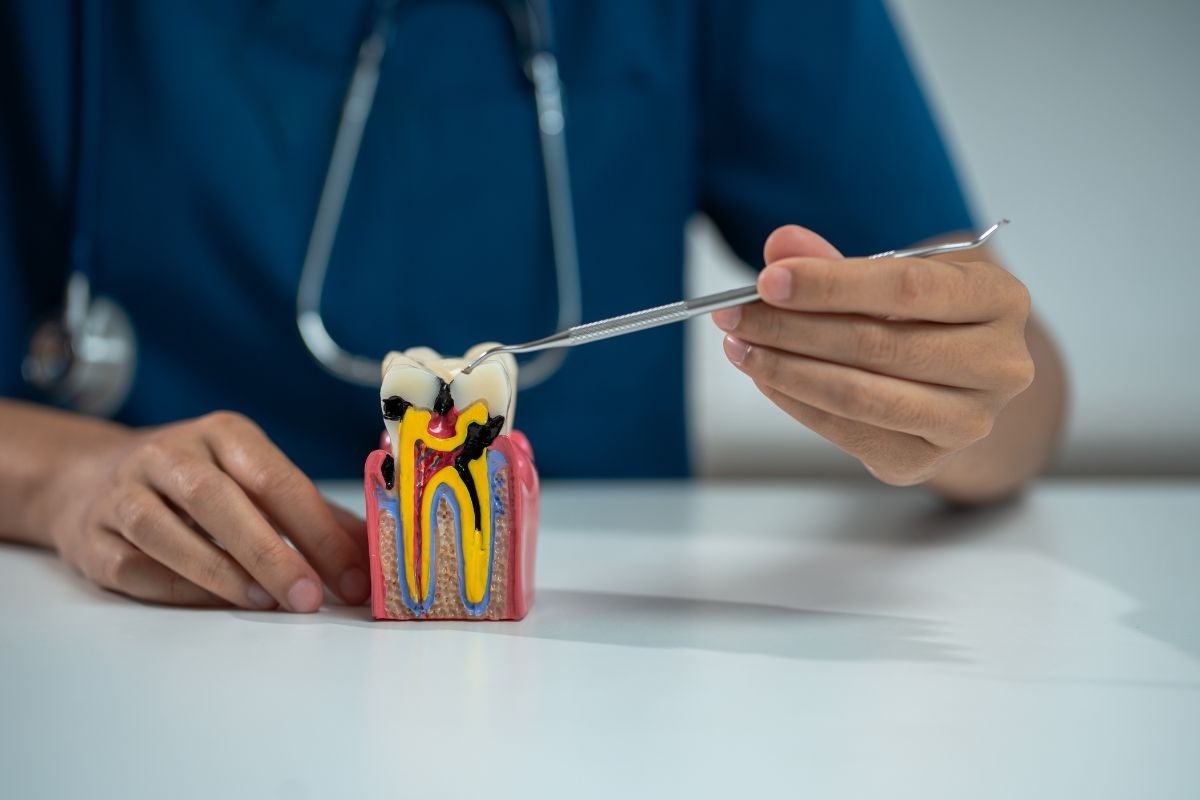
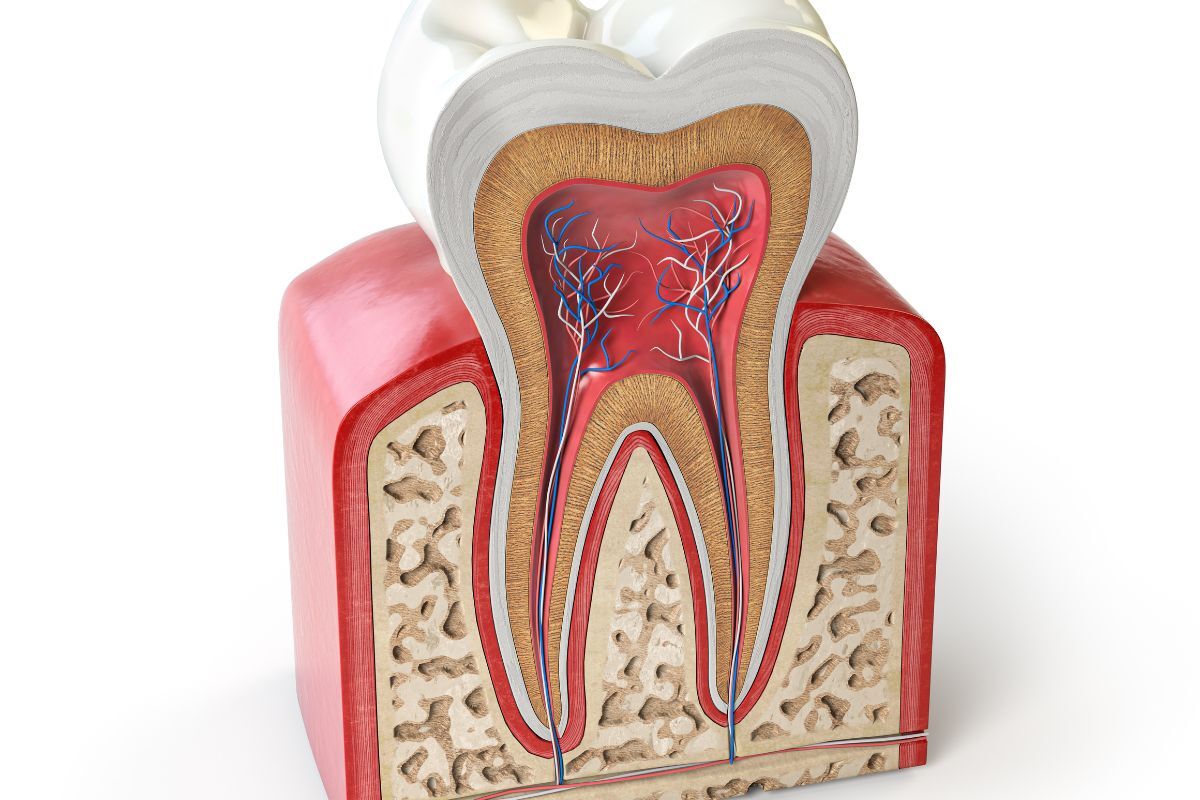
A root canal is a dental procedure used to remove infected or damaged pulp from inside a tooth. The pulp contains nerves, blood vessels, and connective tissue. When bacteria reach this area due to decay, cracks, or trauma, infection can develop.
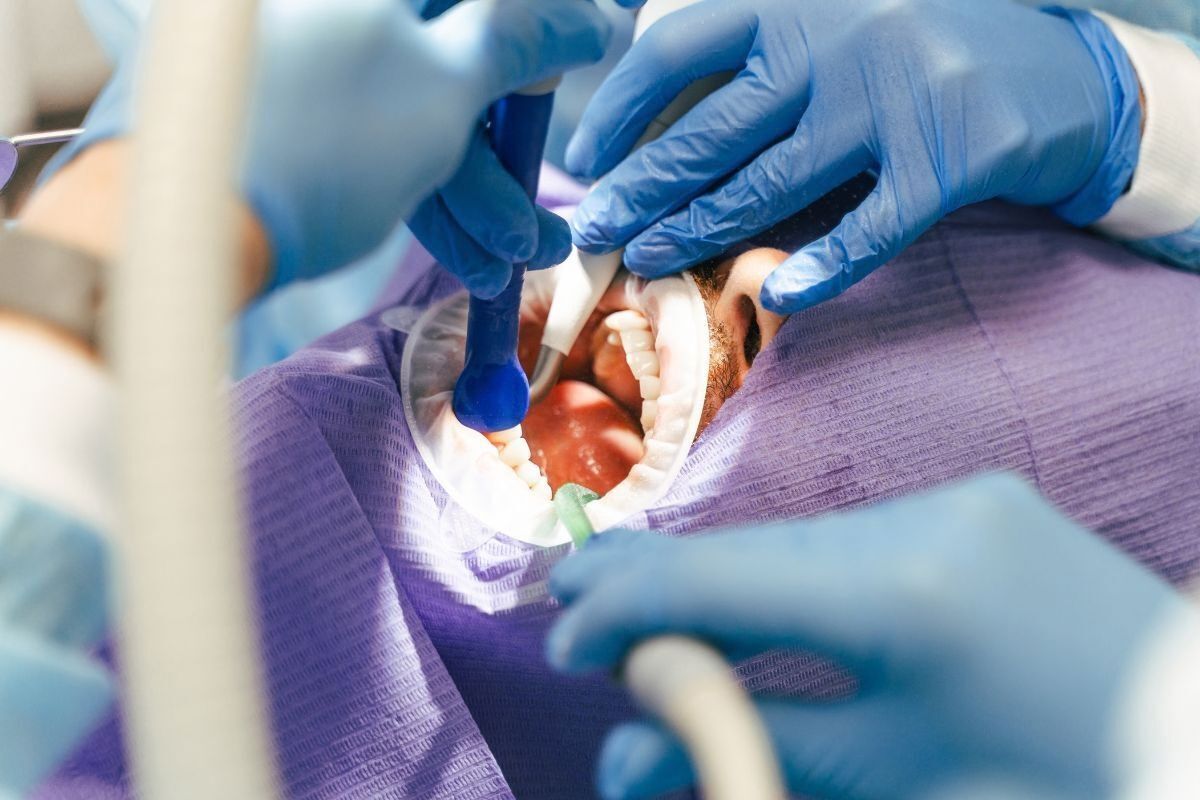
During treatment, your dentist removes the infected tissue, cleans the root canals, and seals the tooth to prevent future infection. In many cases, a dental crown is placed afterward to restore strength and function.
10 Signs You Need a Root Canal
1. Persistent Tooth Pain
One of the most common symptoms is ongoing tooth pain that doesn’t go away. The discomfort may be constant or come and go throughout the day.
Pain can:
- Occur deep inside the tooth
- Spread to the jaw or nearby teeth
- Worsen when eating or drinking
If tooth pain lasts more than a few days, it’s important to schedule a dental evaluation.
2. Sensitivity to Hot or Cold Temperatures
Does your tooth hurt when you drink coffee or eat ice cream?
While mild sensitivity can be normal, lingering pain after exposure to hot or cold foods may indicate nerve damage inside the tooth. This symptom is often associated with pulp inflammation that may require root canal therapy in Bartlesville.
3. Pain When Chewing or Biting
If chewing causes sharp pain or pressure, the tooth’s inner structures may be infected.
Many patients notice:
- Pain while eating
- Tenderness when biting down
- Discomfort that increases over time
This symptom should never be ignored because it may signal a progressing infection.
4. Swollen or Tender Gums
An infected tooth can cause inflammation in the surrounding gum tissue.
Signs include:
- Swelling near a specific tooth
- Tenderness to the touch
- Gum irritation that does not improve
Swollen gums often indicate that the infection has spread beyond the tooth itself.
5. A Small Pimple on the Gums
A dental abscess may create a small bump on the gums that resembles a pimple.
This bump may:
- Drain pus
- Produce an unpleasant taste
- Come and go over time
A gum abscess is a serious warning sign that requires immediate dental attention.
6. Tooth Discoloration
A tooth that becomes gray, dark yellow, or noticeably darker than neighboring teeth may have internal nerve damage.
When blood flow to the pulp is disrupted, the tooth can lose its natural color. While not every discolored tooth requires a root canal, it is an important symptom to have evaluated by a dentist.
7. Prolonged Tooth Sensitivity
Sensitivity that lasts several minutes after eating or drinking may indicate an infected pulp.
Unlike temporary sensitivity caused by worn enamel, root canal-related sensitivity tends to linger and worsen over time.
8. Cracked or Chipped Tooth
A crack or chip can allow bacteria to enter the inner portion of the tooth.
Common causes include:
- Sports injuries
- Falls
- Biting hard foods
- Teeth grinding
Even if the tooth does not hurt immediately, infection may develop later and require treatment.
9. Deep Tooth Decay
Untreated cavities can eventually reach the pulp chamber.
When decay progresses too deeply, a standard filling may no longer be sufficient. In these situations, root canal therapy may be necessary to save the tooth.
10. Persistent Bad Breath or Bad Taste
Chronic bad breath that doesn’t improve with brushing and flossing may be linked to an infected tooth.
Bacteria trapped inside the tooth can create unpleasant odors and tastes, especially when an abscess is present.
What Happens During Root Canal Therapy?
Many patients feel nervous when they hear the words “root canal,” but modern procedures are designed with patient comfort in mind.
The process generally includes:
- Numbing the treatment area
- Creating a small opening in the tooth
- Removing infected pulp tissue
- Cleaning and disinfecting the canals
- Filling and sealing the tooth
- Placing a crown if needed
Most patients report that root canal treatment feels similar to receiving a dental filling.
Benefits of Root Canal Treatment
Choosing treatment promptly can provide several advantages:
- Relieves dental pain
- Stops infection from spreading
- Preserves your natural tooth
- Restores normal chewing function
- Helps prevent tooth extraction
- Supports long-term oral health
Saving a natural tooth is often the preferred option whenever possible.
What Happens If You Delay Treatment?
Ignoring symptoms can lead to more serious complications, including:
- Severe infection
- Bone loss around the tooth
- Dental abscess formation
- Increased treatment costs
- Tooth extraction
Seeking care early can help prevent these outcomes and improve treatment success.
Recovery and Aftercare
After treatment, mild soreness is normal for a few days. Following the right aftercare steps can help you heal comfortably, and these root canal recovery tips can help you understand what to expect during the healing process.
To support healing:
- Take medications as directed
- Avoid chewing on the treated tooth until restored
- Maintain good oral hygiene
- Attend follow-up appointments
- Wear a nightguard if you grind your teeth
Most patients return to normal activities within a day.
Frequently Asked Questions
Can a tooth need a root canal without pain?
Yes. Some teeth with infected pulp may not cause noticeable pain. Other symptoms such as discoloration, swelling, or recurring gum abscesses may still indicate the need for treatment. Regular dental exams help identify these issues early.
How long does a root canal procedure take?
Most root canal appointments take between 60 and 90 minutes. More complex cases may require multiple visits depending on the number of canals and severity of infection.
Is root canal treatment painful?
Modern root canal therapy is designed to be comfortable. Local anesthesia helps numb the area, and many patients compare the experience to receiving a routine dental filling.
How long does a root canal-treated tooth last?
With proper care and restoration, a treated tooth can last many years or even a lifetime. Good oral hygiene and regular dental visits are essential for long-term success.
Can I return to work after a root canal?
In many cases, yes. Most patients return to work, school, or normal daily activities the same day or the following day, depending on their comfort level.
What should I do if I think I need a root canal?
Schedule a dental examination as soon as possible. Early diagnosis can help prevent infection from spreading and improve the chances of saving your natural tooth.
Conclusion
Recognizing the signs you need a root canal can help you avoid serious dental complications and preserve your natural smile. Symptoms such as persistent tooth pain, sensitivity, swelling, discoloration, or difficulty chewing should never be ignored.
If you’re experiencing any of these warning signs and believe you may need root canal therapy in Bartlesville, contact Bartlesville Dental Studio today. Our experienced team can evaluate your symptoms, explain your treatment options, and help restore your oral health. Call +1 9189578138 to schedule your appointment and take the first step toward lasting relief.
Want to see what local patients are saying and stay up to date on practice news? Explore our latest patient reviews and updates on Google to learn more about the experiences families in Bartlesville have had with our team.