2320 Nowata Pl, Bartlesville, OK 74006

10 Early Signs of Gum Disease You Should Never Ignore
Request Appointment


Gum disease often develops quietly, making it easy to overlook until significant damage has occurred. The good news is that recognizing the early signs of gum disease can help you get treatment before it affects your teeth, gums, and overall oral health.
If you live in Bartlesville, understanding these warning signs can help you protect your smile and avoid more complex dental procedures. At Bartlesville Dental Studio, we encourage patients to seek care as soon as they notice changes in their gums because early treatment is usually simpler, more comfortable, and more effective.
Quick Answer
The early signs of gum disease include bleeding gums, redness, swelling, persistent bad breath, gum tenderness, gum recession, tooth sensitivity, loose teeth, pain while chewing, and changes in how your teeth fit together. Early diagnosis and professional periodontal treatment can often stop the disease before permanent damage occurs.
What Is Gum Disease?
Gum disease, also called periodontal disease, is an infection caused by plaque and bacteria that build up around the gumline. When plaque isn’t removed through daily brushing, flossing, and regular dental cleanings, it can irritate the gums and cause inflammation.
The earliest stage is gingivitis, which is usually reversible with proper care. If left untreated, it can progress into periodontitis, a more advanced condition that may damage the bone supporting your teeth.
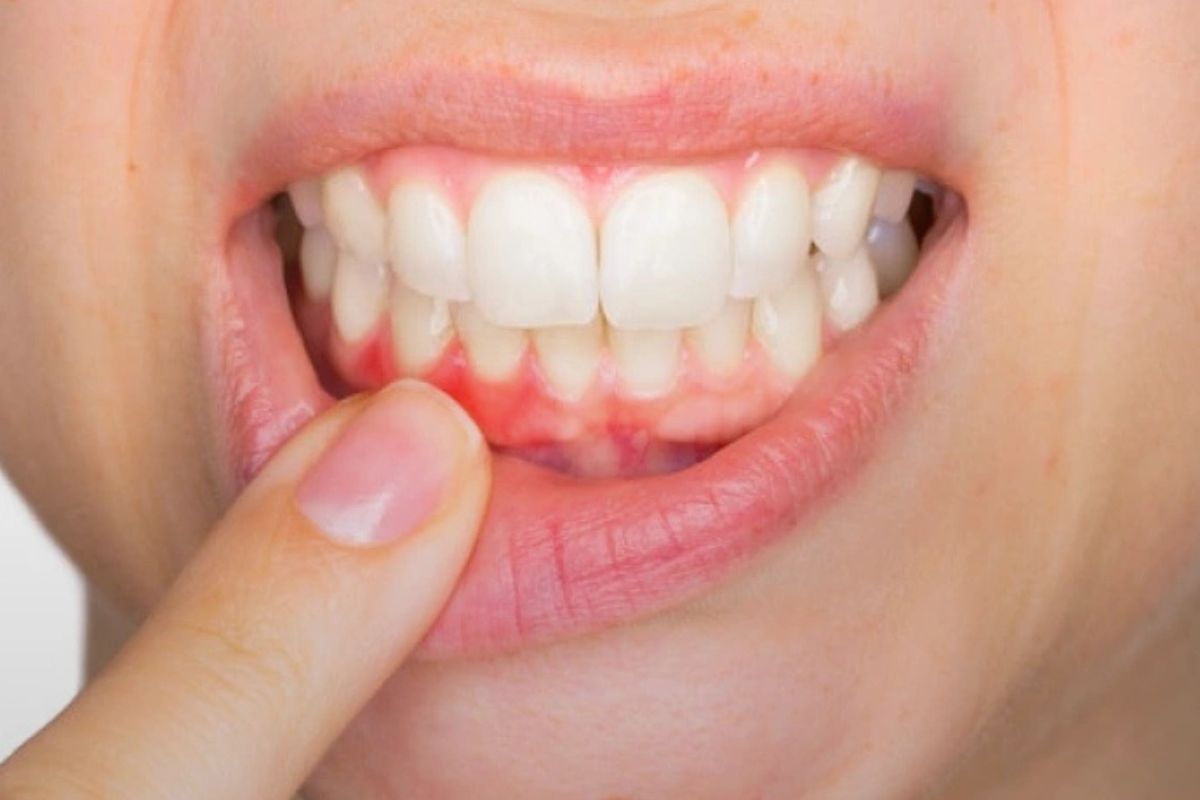
1. Bleeding Gums
One of the most common early signs of gum disease is bleeding while brushing or flossing.
Healthy gums should not bleed regularly. Occasional bleeding may happen after vigorous brushing, but frequent bleeding is a warning that your gums are inflamed.
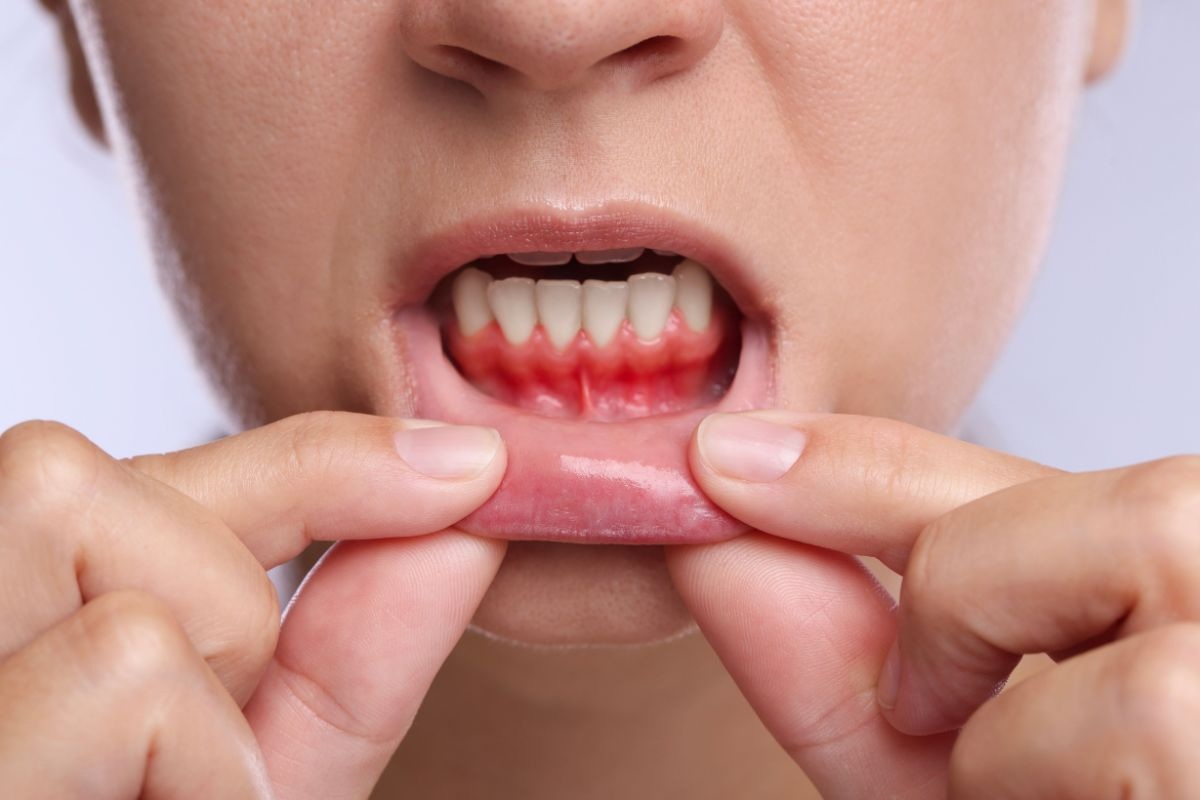
2. Red or Swollen Gums
Healthy gums are typically firm and light pink.
If your gums appear:
- Bright red
- Puffy
- Tender
- Inflamed
your body may be responding to bacterial infection.
3. Persistent Bad Breath
Bad breath that doesn’t improve after brushing or using mouthwash could indicate bacteria trapped beneath the gums.
As gum disease progresses, harmful bacteria release unpleasant odors that contribute to chronic bad breath.
4. Tender or Painful Gums
Gums that hurt when touched or while eating shouldn’t be ignored.
Inflammation caused by bacterial infection can make the gums more sensitive than usual. Early treatment can often relieve discomfort before the condition worsens.
5. Gum Recession
If your teeth suddenly look longer, your gums may be pulling away from the teeth.
Receding gums expose tooth roots, increasing the risk of:
- Tooth sensitivity
- Root decay
- Bone loss
- Tooth instability
6. Tooth Sensitivity
Many people assume sensitive teeth only result from cavities.
However, exposed tooth roots caused by gum recession can also make hot, cold, or sweet foods uncomfortable.
7. Loose Teeth
Teeth should feel stable and secure.
When gum disease begins damaging the bone that supports your teeth, they may start feeling slightly loose or shift position over time. This is a sign you should schedule a dental evaluation promptly.
8. Pain While Chewing
Pain when biting or chewing can develop as gum disease progresses.
Inflamed gums and weakened tooth support may create pressure and discomfort during meals.
9. Pus Between Teeth and Gums
Pus is a clear indication of bacterial infection.
If you notice discharge around your gums, contact your dentist as soon as possible. Prompt treatment can help prevent the infection from spreading.
10. Changes in Your Bite
Have your teeth started fitting together differently?
As supporting tissues weaken, teeth can gradually shift position, affecting your bite and even the way partial dentures fit.
What Causes Gum Disease?
Several factors increase your risk of developing gum disease, including:
- Poor oral hygiene
- Smoking or tobacco use
- Diabetes
- Hormonal changes
- Dry mouth
- Certain medications
- Family history
- Infrequent dental visits
Understanding these risk factors allows patients to take preventive steps before problems develop.
How Is Gum Disease Treated?
Gum disease treatment depends on how advanced the condition is. Early cases may be managed with improved oral hygiene and professional dental cleanings, while more advanced cases may require specialized care. Learn more about periodontal treatment in Bartlesville to explore professional treatment options for managing gum disease and protecting your oral health.
- Professional dental cleaning
- Improved brushing and flossing habits
- Antibacterial mouth rinse
- More frequent preventive visits
More advanced periodontal disease may require deep cleaning procedures, including scaling and root planing, along with ongoing periodontal maintenance.
Following your dentist’s recommendations helps reduce inflammation and preserve your natural teeth.
Can Gum Disease Be Prevented?
Yes. Most cases of early gum disease are preventable with consistent oral care.
Helpful habits include:
- Brush twice daily with fluoride toothpaste.
- Floss every day.
- Visit your dentist regularly.
- Avoid tobacco products.
- Eat a balanced diet.
- Replace your toothbrush every three to four months.
Small daily habits can make a significant difference in your long-term oral health.
Prevention and early care go hand in hand. Learn how to stop gum disease from progressing with expert advice on improving your oral hygiene and knowing when to seek professional treatment.
Conclusion
Recognizing the early signs of gum disease can help prevent more serious oral health problems in the future. Bleeding gums, persistent bad breath, swelling, or gum recession should never be ignored. Seeking treatment early often leads to better outcomes and helps preserve your natural teeth.
If you’re experiencing any of these symptoms or it’s time for a dental checkup, contact Bartlesville Dental Studio today. Our caring team is here to provide comprehensive periodontal evaluations and personalized treatment plans to help keep your smile healthy for years to come.
Call us today at +1 9189578138 to schedule your appointment.
Frequently Asked Questions
How do I know if I have early gum disease?
Common symptoms include bleeding gums, redness, swelling, persistent bad breath, gum tenderness, and mild gum recession. A dental examination is the best way to confirm whether gum disease is present.
Can early gum disease be reversed?
Yes. Gingivitis, the earliest stage of gum disease, can often be reversed with professional dental cleanings, improved oral hygiene, and regular dental visits.
Does gum disease always hurt?
No. Many people experience little or no pain during the early stages, which is why regular dental checkups are important for early detection.
Who is most at risk for gum disease?
People who smoke, have diabetes, poor oral hygiene, dry mouth, certain medical conditions, or a family history of periodontal disease may have a higher risk.
How often should I have my gums checked?
Most patients benefit from dental checkups every six months, although those with periodontal disease may require more frequent visits based on their dentist’s recommendations.
Want to stay updated with the latest dental tips, office announcements, and patient success stories? Read our patient reviews on Google to explore recent updates and learn why so many local families trust Bartlesville Dental Studio for their dental care.