2320 Nowata Pl, Bartlesville, OK 74006

Does a Root Canal Hurt? What Patients Should Know
Request Appointment

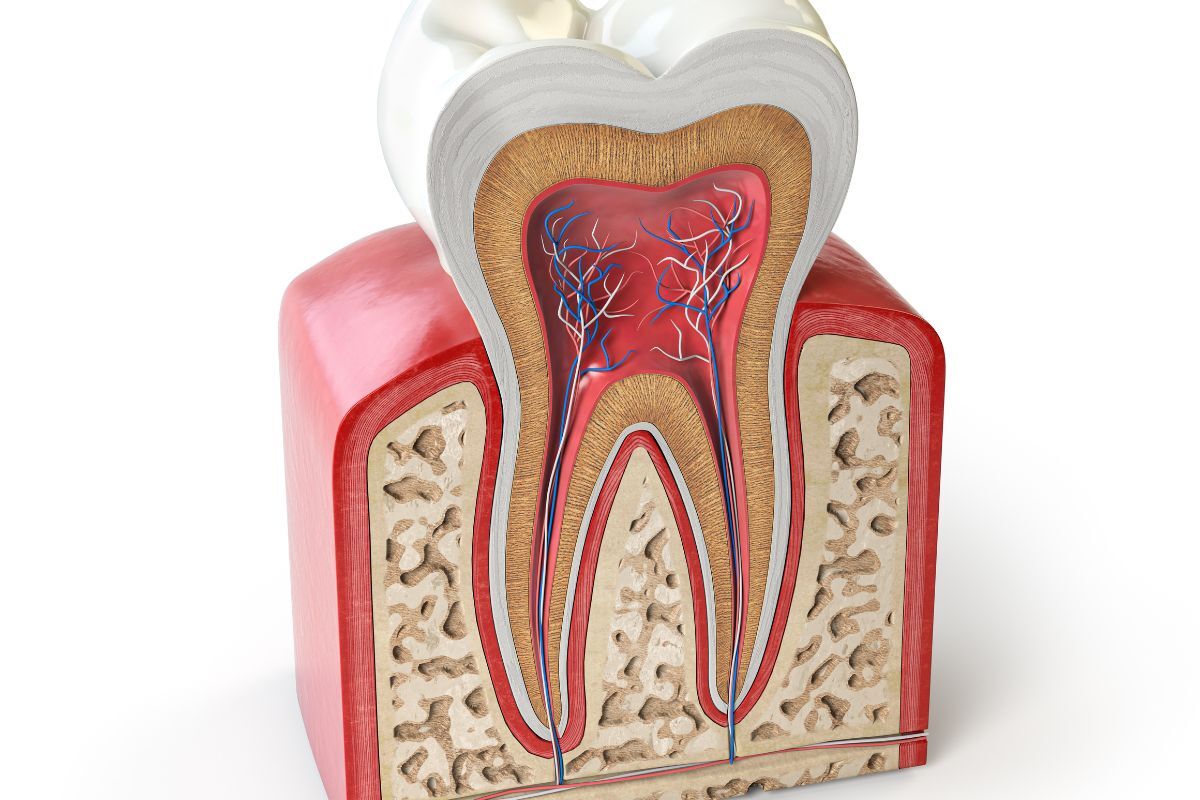
If you’ve been told you may need a root canal, you’re probably asking the same question many patients do: does a root canal hurt? It’s a common concern, especially if you’ve heard outdated stories about painful dental procedures. The good news is that modern root canal therapy is designed to relieve pain not cause it.
At Bartlesville Dental Studio in Bartlesville, OK, our goal is to make every patient feel informed, comfortable, and confident about their dental care. Whether you’re dealing with a severe toothache or have been referred for treatment, understanding what to expect can help ease your worries.
Quick Answer
Does a root canal hurt? In most cases, no. Modern root canal treatment is performed using local anesthesia, so patients typically feel little to no pain during the procedure. Most people say it feels similar to getting a dental filling, and the treatment actually relieves the pain caused by an infected tooth.
Why Do People Think Root Canals Hurt?
For many years, root canals had a reputation for being painful. However, that reputation comes from a time before today’s advanced dental techniques and effective anesthetics.
In reality, the pain most people associate with a root canal is usually caused by the infected tooth itself not the treatment. Once the infected tissue is removed, the source of the pain is eliminated.
Today’s dental technology allows dentists to:
- Thoroughly numb the treatment area
- Use precise instruments for efficient care
- Keep patients comfortable throughout the procedure
- Reduce recovery time
What Happens During a Root Canal?
Knowing what happens can make the procedure feel much less intimidating.
Step 1: Examination and X-rays
Your dentist examines the affected tooth and takes digital X-rays to determine the extent of the infection.
Step 2: Local Anesthesia
The area around the tooth is completely numbed. Most patients only feel a brief pinch during the anesthetic injection.
Step 3: Removing the Infection
A small opening is made in the tooth so the infected or damaged pulp can be carefully removed.
Step 4: Cleaning the Root Canals
The inside of the tooth is disinfected and shaped before being sealed to prevent future infection.
Step 5: Restoring the Tooth
Depending on your case, your dentist may recommend a dental crown to strengthen and protect the treated tooth.
If you’re experiencing persistent tooth pain, seeking root canal treatment in Bartlesville as soon as possible can help prevent the infection from spreading and preserve your natural tooth.
What Does a Root Canal Feel Like?
Most patients are pleasantly surprised by how comfortable the procedure is.
During treatment, you may notice:
- Mild pressure
- Gentle vibration from dental instruments
- Water rinsing the area
You should not feel sharp pain. If you experience discomfort during the procedure, your dentist can provide additional anesthesia to keep you comfortable.
Is There Pain After a Root Canal?
Some tenderness after treatment is completely normal.
You may notice:
- Mild soreness when chewing
- Sensitivity around the treated tooth
- Slight jaw tenderness from keeping your mouth open
These symptoms usually improve within a few days.
Most patients manage temporary discomfort by:
- Taking over-the-counter pain relievers as directed
- Avoiding chewing on the treated tooth until fully restored
- Eating soft foods for a day or two
- Following all aftercare instructions
If severe pain or swelling develops after treatment, contact your dentist promptly for evaluation.
When Might You Need a Root Canal?
Your dentist may recommend root canal therapy if the soft tissue inside your tooth becomes infected or inflamed.
Common signs include:
- Persistent toothache
- Pain while chewing
- Sensitivity to hot or cold that lingers
- Swollen or tender gums
- Tooth discoloration
- A small bump on the gums near the affected tooth
If you’re experiencing any of these warning signs, it’s important not to delay treatment. Learn more about the 10 signs you may need a root canal treatment so you can recognize when it’s time to seek professional dental care before the problem becomes more serious.
Early treatment often helps save the natural tooth and prevents more extensive dental problems.
Benefits of Root Canal Treatment
A root canal offers several important advantages beyond relieving pain.
Saves Your Natural Tooth
Keeping your natural tooth helps maintain proper chewing function and jaw alignment.
Stops Infection
Removing infected tissue prevents bacteria from spreading to nearby teeth and gums.
Restores Comfort
Once the infection is treated, everyday activities like eating and speaking become much more comfortable.
Prevents Tooth Extraction
Saving the tooth often avoids the need for more complex restorative treatments, such as dental implants or bridges.
How Much Does a Root Canal Cost?
The cost of root canal treatment varies depending on several factors, including:
- Which tooth requires treatment
- The complexity of the procedure
- Whether a dental crown is needed afterward
- Your dental insurance coverage
Many dental insurance plans provide benefits for medically necessary root canal therapy. Your dental office can review your treatment plan and provide an estimate before beginning care.
How to Care for Your Tooth After Treatment
Following your dentist’s instructions helps ensure a smooth recovery.
Helpful aftercare tips include:
- Brush and floss as usual while being gentle around the treated area.
- Avoid sticky or very hard foods until your permanent restoration is placed.
- Take medications exactly as directed.
- Attend any recommended follow-up appointments.
- Schedule routine dental checkups to maintain your oral health.
With proper care, a root canal-treated tooth can often last for many years.
Conclusion
If you’re wondering does a root canal hurt, the answer is reassuring. Thanks to modern dentistry, root canal treatment is typically no more uncomfortable than getting a routine filling. More importantly, it helps eliminate the pain caused by an infected tooth while preserving your natural smile.
If you’re experiencing ongoing tooth pain or think you may need treatment, don’t wait for the problem to worsen. Contact Bartlesville Dental Studio today to schedule an evaluation and receive compassionate care from a trusted local dental team.
Call us today at +1 9189578138 to schedule your appointment and protect your oral health.
Want to stay informed about dental tips, office updates, and experiences from local patients? Explore our patient reviews to see what people in Bartlesville are saying about their experiences at Bartlesville Dental Studio, and discover our latest practice updates before scheduling your visit.
FAQ
Does a root canal hurt more than getting a filling?
Most patients say a root canal feels very similar to receiving a dental filling. Because local anesthesia is used, the procedure itself is generally comfortable. Any mild soreness afterward is usually temporary and manageable with over-the-counter medication.
How long does a root canal procedure take?
Most root canal treatments take between 60 and 90 minutes, depending on the tooth and the complexity of the infection. Some cases may require more than one appointment.
Can I go back to work after a root canal?
Yes. Many patients return to work or normal daily activities the same day. If sedation is used, you’ll need someone to drive you home and should follow your dentist’s recovery instructions.
How long does a tooth last after a root canal?
A tooth treated with a root canal can last many years and often a lifetime with good oral hygiene, regular dental checkups, and a properly placed restoration when recommended.
Is it better to get a root canal or have the tooth removed?
Whenever possible, saving your natural tooth is the preferred option. Root canal treatment preserves your bite, maintains jaw function, and often avoids the need for more extensive tooth replacement procedures.