2320 Nowata Pl, Bartlesville, OK 74006

Dental Implant Recovery: What to Expect
Request Appointment

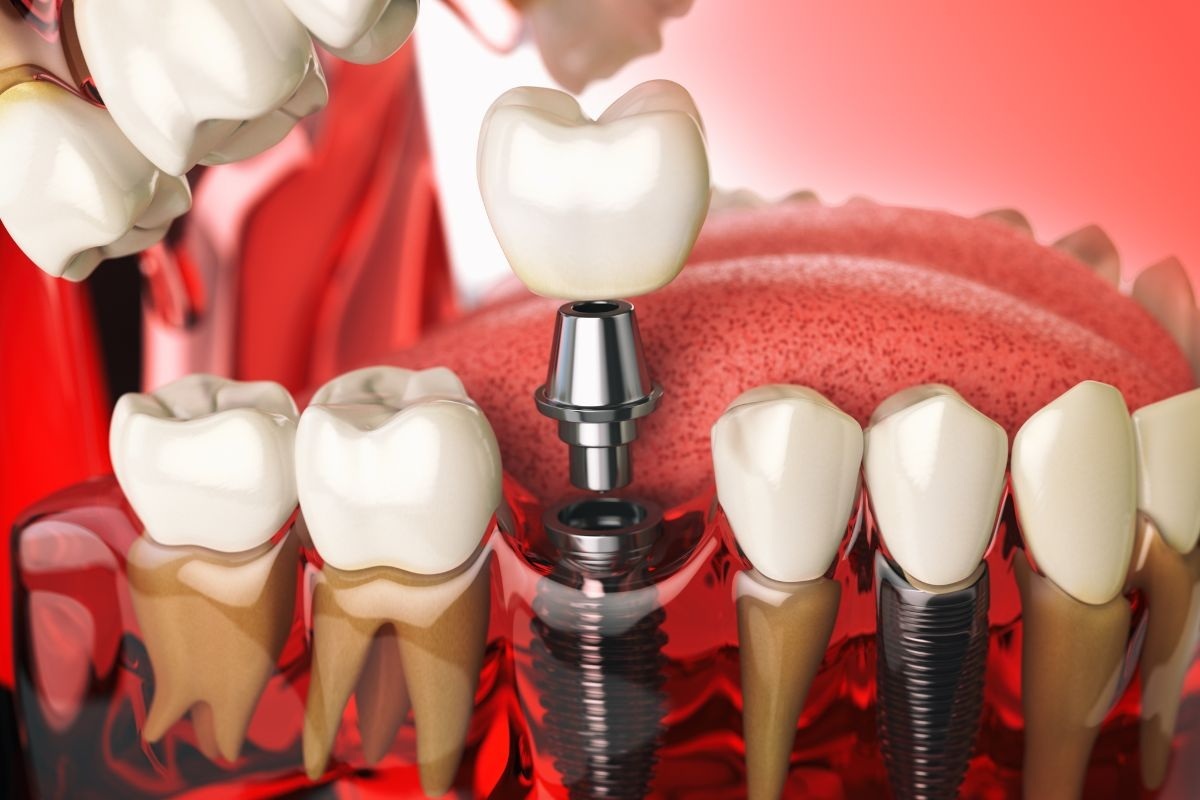
Getting a dental implant can be an important step toward restoring your smile, but many patients wonder what happens after the procedure. How much discomfort should you expect? When can you eat normally? And how long does it take for a dental implant to fully heal?
Understanding dental implant recovery can make the process feel much less stressful. While every patient heals at a different pace, knowing what to expect each day can help you prepare and recognize when something may need professional attention.
If you are considering dental implants treatment in Bartlesville, Bartlesville Dental Studio can help you understand the treatment process, healing timeline, and aftercare instructions before your procedure.
Quick Answer
Dental implant recovery usually involves several stages. Mild swelling, soreness, and sensitivity are common during the first few days. Most patients gradually return to normal activities within several days, while the implant itself may take several months to fully bond with the jawbone. Following your dentist’s aftercare instructions supports proper healing.
Dental Implant Recovery: Day-by-Day Guide
Day 1: Protect the Surgical Site
The first 24 hours are focused on protecting the area and allowing a blood clot to form. Some bleeding or mild oozing may occur shortly after the procedure.
Your mouth may feel numb for several hours. As the anesthesia wears off, you may notice soreness around the implant site.
Your dentist may recommend:
- Resting for the remainder of the day
- Using gauze as directed
- Applying a cold compress to reduce swelling
- Taking prescribed or recommended medication as instructed
- Eating soft, cool foods
- Avoiding strenuous exercise
Do not disturb the surgical area with your tongue or fingers. Avoid forceful rinsing or spitting unless your dentist specifically instructs you otherwise.
Days 2-3: Swelling May Peak
For many patients, swelling is most noticeable during the second or third day. Mild bruising can also occur, particularly if more extensive treatment was needed.
This does not necessarily mean something is wrong. Continue following your dental team’s instructions and keep the area clean without brushing directly over the surgical site unless instructed to do so.
Soft foods such as yogurt, eggs, mashed potatoes, oatmeal, smoothies, and soups that are not too hot can be easier to manage.
Days 4-7: Gradual Improvement
By the fourth day, many patients begin to feel more comfortable. Swelling and tenderness should generally start improving rather than becoming increasingly severe.
You can usually begin returning to normal daily activities as you feel able, but continue avoiding anything your dentist has restricted.
Good oral hygiene remains important. Keeping your mouth clean helps support healing, although the implant area may require special cleaning instructions.
Week 2: Getting Back to Normal
During the second week, the gums are typically further along in the healing process. If you had stitches, your dentist may remove them at a follow-up appointment if they are not designed to dissolve on their own.
You may also find that eating becomes easier. However, avoid chewing hard or crunchy foods directly over the implant site until your dentist confirms that it is safe.
Remember that feeling better does not mean the implant has completely healed underneath the gums.
How Long Does Dental Implant Healing Take?
One of the most important things to understand about dental implant recovery is that there are two different healing processes.
The gums and surrounding soft tissues may improve within a few weeks. However, the dental implant needs additional time to integrate with the jawbone. This process, called osseointegration, can take several months.
The exact timeline depends on factors such as:
- Your overall health and healing ability
- The location of the implant
- Bone density and quality
- Whether bone grafting was required
- The complexity of the procedure
- Your oral hygiene habits
Your dentist will monitor your progress and determine when the implant is ready for the next stage of treatment.
What Can You Eat After Dental Implant Surgery?
Your diet can make recovery more comfortable. Start with soft foods and gradually introduce firmer foods as healing progresses.
Helpful options may include:
- Scrambled eggs
- Yogurt
- Applesauce
- Mashed potatoes
- Soft pasta
- Oatmeal
- Cottage cheese
- Smoothies eaten without a straw
- Soft-cooked vegetables
Avoid very hard, crunchy, sticky, spicy, or extremely hot foods during the early healing period.
It is also important to avoid chewing directly on the implant site until your dental professional says you can.
What Activities Should You Avoid?
Your dentist may recommend limiting strenuous activity immediately after implant surgery. Heavy exercise can increase blood flow and may contribute to bleeding or discomfort during the early healing period.
Smoking and tobacco use can also interfere with oral healing and increase the risk of complications. If you use tobacco, ask your dental team about the safest approach before and after implant surgery.
Follow your individual post-operative instructions rather than relying only on a general recovery timeline.
What Are the Risks During Dental Implant Recovery?
Dental implants have a strong track record, but like any surgical procedure, complications can occur.
Possible concerns include:
- Infection
- Persistent bleeding
- Increasing pain or swelling
- Damage to surrounding structures
- Problems with implant integration
- Gum irritation or inflammation
Contact your dental office if you experience severe or worsening pain, significant swelling, persistent bleeding, fever, pus, or other symptoms that concern you.
Prompt evaluation can help determine whether the symptoms are part of normal healing or require treatment.
When Should You Schedule a Follow-Up Visit?
Follow-up appointments are an important part of implant treatment. Your dentist uses these visits to evaluate the gums, check healing, and monitor the implant as it integrates with the surrounding bone.
Do not skip a recommended appointment simply because you feel fine. Some aspects of healing cannot be judged by symptoms alone.
A personalized follow-up schedule also allows your dental team to address questions about brushing, eating, medications, and returning to normal activities.
Dental Implant Recovery and Long-Term Care
Once your implant has fully healed and your restoration is placed, caring for it is similar in many ways to caring for natural teeth. With proper oral hygiene and regular dental visits, patients can help protect their investment and learn more about how long dental implants can last.
Continue to:
- Brush twice daily
- Clean between your teeth every day
- Attend regular dental checkups
- Follow professional cleaning recommendations
- Avoid using your teeth to open packages or bite hard objects
- Tell your dentist about any changes around the implant
Good oral hygiene helps protect the gums and surrounding structures that support your implant.
FAQ
How painful is dental implant recovery?
Most patients experience some soreness, swelling, or tenderness after implant surgery. Discomfort is often most noticeable during the first few days and gradually improves. Your dentist can recommend appropriate pain-control measures and provide specific instructions based on your procedure and medical history.
How long should I take off work after a dental implant?
Many patients can return to routine activities within a few days, depending on the type of procedure and how they feel. More complex treatment may require additional recovery time. Your dentist can give you a more personalized recommendation based on your planned implant procedure.
Can I brush my teeth after dental implant surgery?
You can generally continue maintaining good oral hygiene, but the surgical site may need special care immediately after treatment. Avoid disturbing the implant area and follow the exact brushing and rinsing instructions provided by your dental team.
When can I eat normally after getting a dental implant?
The timing varies by patient and procedure. Most people begin with soft foods and gradually return to a regular diet as the area heals. Avoid chewing hard or crunchy foods directly over the implant until your dentist confirms that it is safe.
How long does it take for a dental implant to fully heal?
Soft-tissue healing may occur over several weeks, but the implant can take several months to integrate with the jawbone. The timeline varies based on bone health, implant location, treatment complexity, and individual healing.
When should I call my dentist after implant surgery?
Call your dentist if you have severe or worsening pain, significant swelling, persistent bleeding, fever, pus, or other unusual symptoms. Your dental team can determine whether the symptoms require evaluation or treatment.
Conclusion
Dental implant recovery is a gradual process, and knowing what to expect can make each stage easier to manage. Mild discomfort and swelling are common during the first few days, while deeper healing continues for several months as the implant integrates with the jawbone.
Following your dentist’s aftercare instructions, maintaining good oral hygiene, attending follow-up visits, and reporting unusual symptoms can all support a smoother recovery.
If you are considering dental implants in Bartlesville, OK, talk with the team at Bartlesville Dental Studio about whether implants are appropriate for your needs. Call +1 9189578138 to schedule a consultation and take the next step toward restoring your smile.
Want to stay connected with dental tips, office updates, and local patient experiences? See patient reviews on Google to explore recent updates and reviews from patients in the Bartlesville area.