2320 Nowata Pl, Bartlesville, OK 74006

7 Factors That Determine Dental Implant Candidacy
Request Appointment

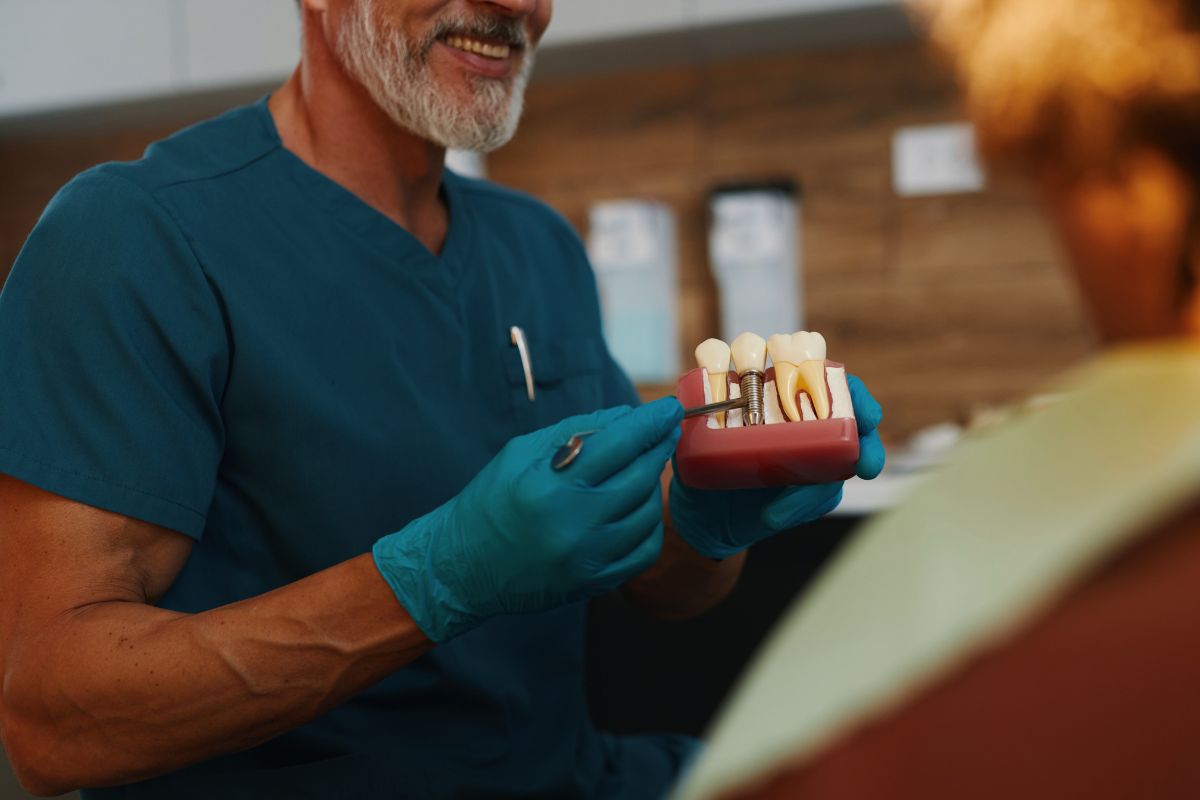
Losing a tooth can affect much more than your smile. It can make eating uncomfortable, change the way your remaining teeth fit together, and leave you wondering what your best replacement option might be. For many adults, dental implants are an option worth discussing but not everyone has the same starting point.
So, what determines dental implant candidacy?
Dentists look at several factors before recommending treatment, including the health of your gums, available jawbone, overall health, and daily habits. If you are considering tooth replacement, speaking with an implant dentist in Bartlesville can help you understand your options and whether implants may be appropriate for your individual situation.
Quick Answer: Who Is a Good Candidate for Dental Implants?
A good dental implant candidate typically has one or more missing teeth, healthy or treatable gums, enough jawbone to support an implant, and an overall health profile that allows for normal healing. Lifestyle factors such as smoking and oral hygiene can also affect candidacy. A dental evaluation is necessary because implant eligibility is different for every patient.
7 Factors That Affect Dental Implant Candidacy
1. You Have One or More Missing Teeth
Dental implants are designed to replace missing teeth. They can be used for a single missing tooth, several missing teeth, or certain situations involving a larger number of missing teeth.
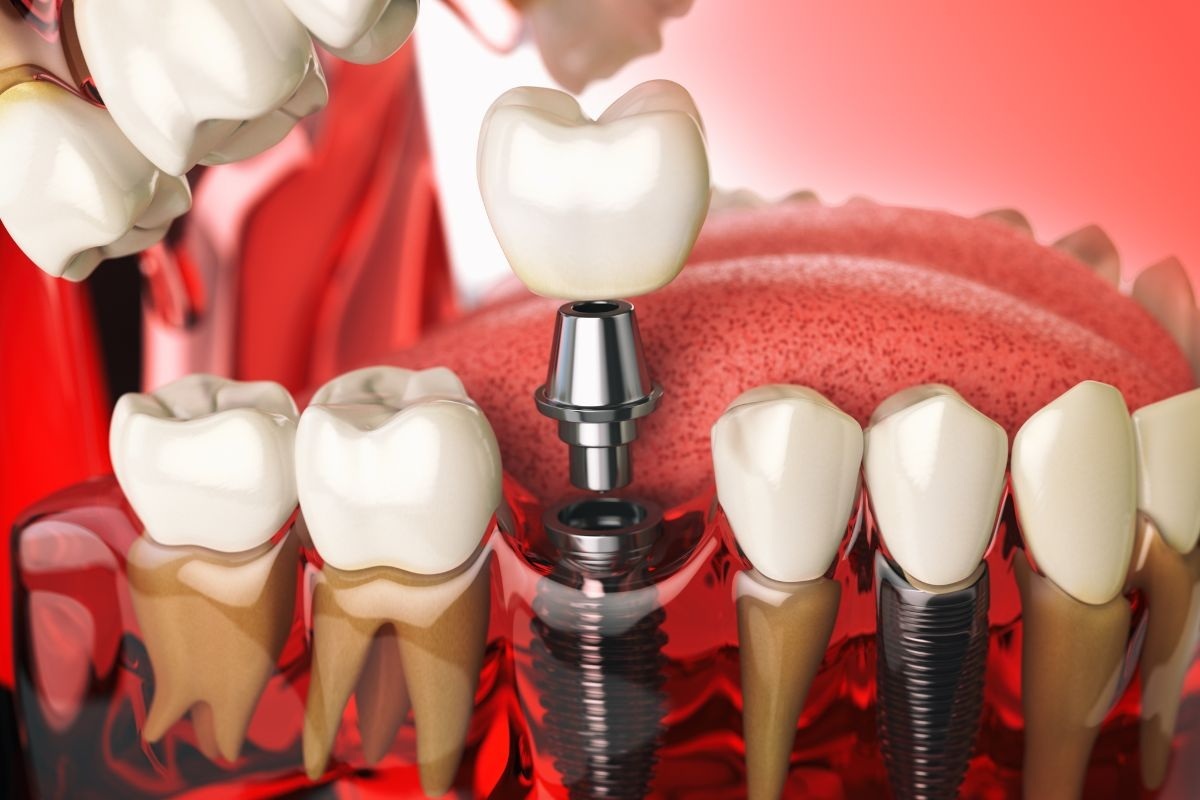
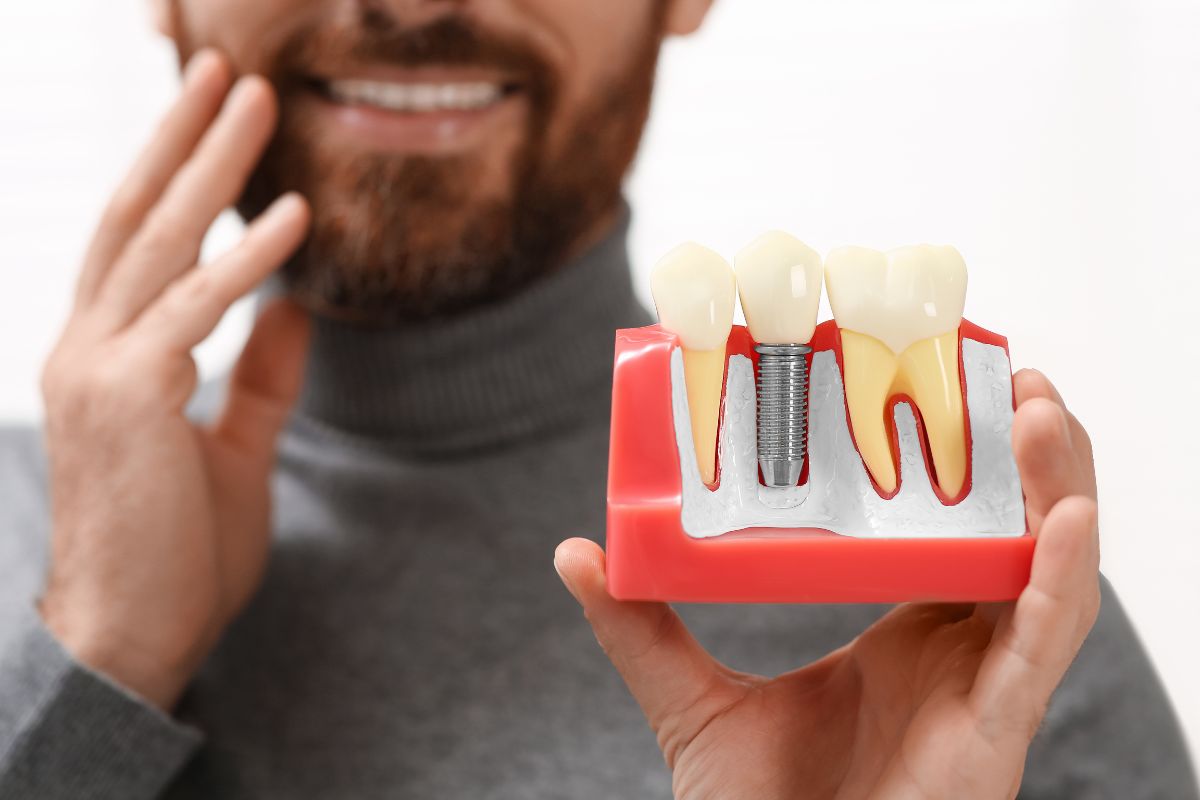
Unlike a traditional bridge, a single implant does not need to rely on neighboring teeth for support. The implant is placed into the jawbone and can support a customized dental crown.
If you have recently lost a tooth or have been living with missing teeth for years it is worth discussing tooth replacement options with a dentist. Waiting does not necessarily mean you cannot receive implants, but changes in the jawbone may affect your treatment plan.
2. You Have Enough Healthy Jawbone
One of the most important parts of dental implant candidacy is the condition of your jawbone.
A dental implant needs adequate bone support so it can remain stable while healing. After a tooth is lost, the surrounding bone can gradually shrink because it no longer receives stimulation from the natural tooth root.
That does not automatically rule out implants. Some patients with insufficient bone may be candidates for preparatory procedures, such as bone grafting, before implant placement.
Your dentist may use dental imaging and an examination to evaluate the available bone and determine what approach makes sense for you.
3. Your Gums Are Healthy or Can Be Treated
Healthy gums provide important support for your teeth and dental implants. Active gum disease may need to be addressed before implant treatment begins.
This is one reason a dental implant consultation involves more than simply looking at the missing tooth. Your dentist will also evaluate the surrounding gum tissue and overall oral health.
If gum problems are present, treating them first may improve the conditions needed for implant treatment. Good oral hygiene also remains important after an implant is placed.
4. You Are Healthy Enough to Heal Properly
Your overall health can influence how your body responds to dental treatment.
Certain medical conditions may affect healing or increase the risks associated with surgery. For example, uncontrolled diabetes can interfere with normal healing, while some medications or health conditions may require additional consideration.
This does not mean that having a medical condition automatically makes you ineligible for dental implants. Instead, your dentist needs to understand your health history so treatment can be planned appropriately.
Be prepared to discuss your medications, medical conditions, and previous dental procedures during your consultation.
5. You Maintain Good Oral Hygiene
Dental implants are designed to function as tooth replacements, but they still require ongoing care.
Brushing twice a day, cleaning between your teeth, and attending regular dental appointments can help maintain the health of the tissues around your implant.
If your current oral hygiene routine needs improvement, your dentist may recommend changes before or after implant treatment. Your commitment to maintaining your oral health is an important part of long-term implant care.
6. You Do Not Smoke or Are Willing to Stop
Smoking is another factor dentists consider when evaluating implant candidacy.
Tobacco use can interfere with healing and may increase the risk of complications. Because implant treatment involves healing around the implant and surrounding tissues, smoking can make the process more challenging.
If you smoke, talk honestly with your dentist. Rather than assuming implants are automatically off the table, ask what steps you can take to improve your chances of a healthy recovery.
7. You Have Realistic Expectations About Treatment
Dental implants can provide a stable way to replace missing teeth, but treatment is not an overnight process for every patient.
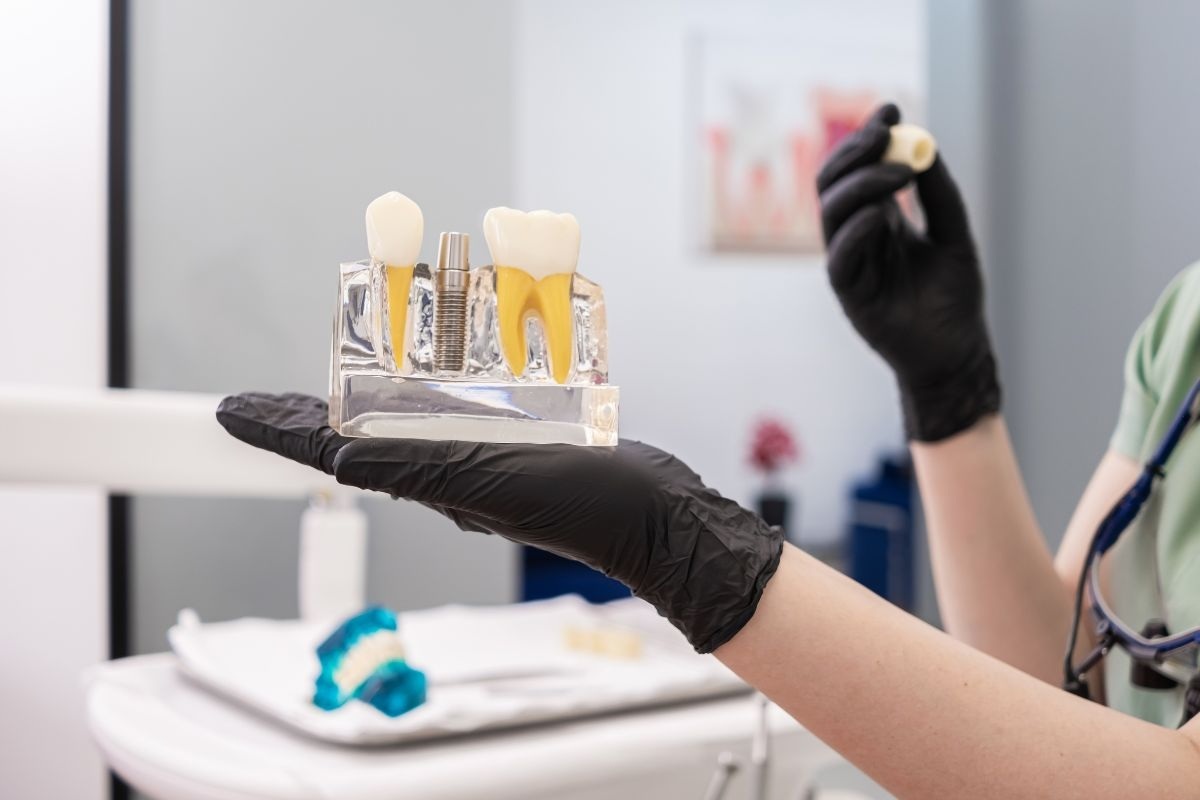
The process may involve an initial evaluation, any necessary preliminary treatment, implant placement, a healing period, and restoration with a crown or other prosthetic component. The exact timeline depends on your oral health, treatment needs, and how your body heals.
It is also important to understand that implants require ongoing maintenance. They should be cared for much like natural teeth, with regular brushing, cleaning between teeth, and professional dental checkups.
What If You Are Not an Ideal Candidate Right Now?
Being told that you are not currently ready for dental implants does not necessarily mean you can never receive them.
For example, a dentist may first recommend treatment for gum disease or address inadequate bone support. Once those concerns have been managed, your eligibility may be reassessed.
Your treatment plan should be based on your individual circumstances rather than a one-size-fits-all checklist.
If you are comparing implants with other tooth replacement choices, understanding the differences between dental implants and dentures can also help you have a more informed conversation with your dentist.
Are Dental Implants Safe?
For many patients, dental implants can be a safe and effective tooth-replacement option when they are appropriately planned and maintained. However, every surgical procedure has potential risks, and suitability depends on the individual.
Potential complications can include infection, problems with healing, nerve-related issues, sinus-related complications in certain upper-jaw cases, or failure of the implant to properly integrate with the surrounding bone.
If safety is one of your biggest concerns, take time to understand the procedure, ask about your individual risk factors, and discuss your concerns during your consultation. Our guide on are dental implants safe can also provide additional information before your appointment.
What Happens During a Dental Implant Consultation?
A consultation is where dental implant candidacy becomes specific to you.
Your dentist will typically review your dental and medical history, examine your teeth and gums, evaluate the area where the tooth is missing, and determine whether additional imaging or treatment is needed.
You can also use the appointment to ask practical questions, such as:
- Do I have enough bone for an implant?
- Do I need treatment for gum disease first?
- How long could my treatment take?
- What alternatives should I consider?
- What will recovery involve?
- How should I care for the implant afterward?
There is no substitute for an in-person evaluation when determining whether dental implants are right for you.
Frequently Asked Questions
Can older adults get dental implants?
Age alone does not determine implant candidacy. A dentist will consider your oral health, bone support, overall health, medications, and ability to heal before recommending treatment.
Can I get dental implants if I have bone loss?
Possibly. Bone loss may affect implant placement, but some patients may benefit from procedures designed to improve bone support before implant treatment.
Does gum disease prevent dental implants?
Active gum disease may need to be treated before implant placement. Your dentist can evaluate your gum health and determine what treatment is appropriate.
Can smokers get dental implants?
Smoking can interfere with healing and increase the risk of complications. If you smoke, discuss your tobacco use openly with your dentist so they can explain how it may affect your treatment.
How do I know if dental implants are right for me?
The best way to determine your candidacy is through a dental examination and consultation. Your dentist can evaluate your gums, jawbone, overall health, and treatment goals before recommending an appropriate option.
Take the Next Step Toward Replacing Missing Teeth
The best way to determine your dental implant candidacy is not by checking a list online, it’s by having your individual situation evaluated by a dental professional.
If you are missing one or more teeth and considering a long-term replacement option, Bartlesville Dental Studio can help you understand what may be appropriate for your smile and oral health. During a consultation, you can discuss your concerns, treatment goals, and available options without having to guess whether you qualify.
For patients in Bartlesville, OK, a personalized evaluation can be the first step toward deciding whether dental implants are the right choice for replacing missing teeth.
You can also explore reviews from local patients on Google before your visit.