2320 Nowata Pl, Bartlesville, OK 74006

7 Signs You May Need Cosmetic Dentistry
Request Appointment

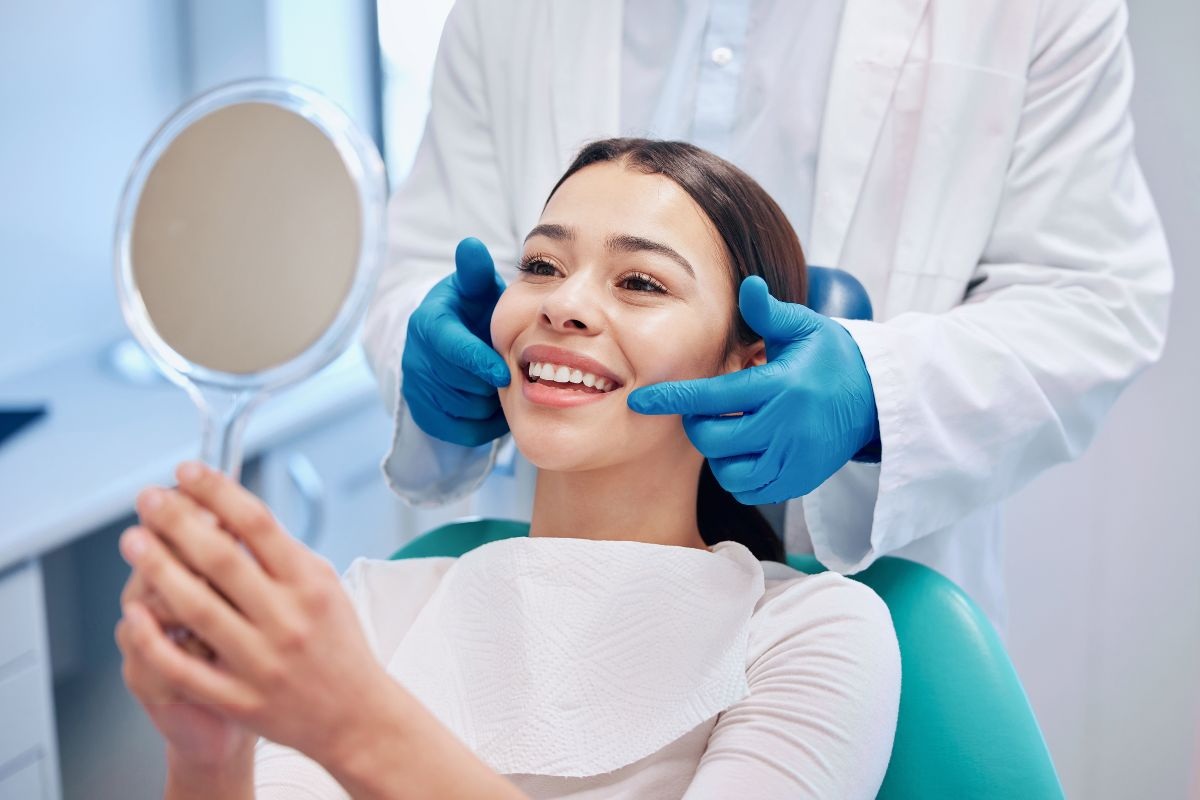
Your smile is one of the first things people notice about you. However, if you feel uncomfortable about stained teeth, visible chips, uneven edges, or gaps, you might find yourself hiding your smile in photos or avoiding it during conversations. These concerns are more common than many people realize, and there are several ways to address them.
Cosmetic dentistry focuses on improving the appearance of teeth and smiles while considering overall oral health. Whether you want to brighten discolored teeth or improve the shape of your smile, exploring cosmetic dental treatment in Bartlesville can help you understand which options may suit your needs.
But how do you know when cosmetic dentistry is worth considering? Here are seven signs that it may be time to discuss your smile goals with a dental professional.
Quick Answer: What Are the Signs You Need Cosmetic Dentistry?
Common signs you may benefit from cosmetic dentistry include persistent tooth discoloration, chipped or cracked teeth, noticeable gaps, uneven tooth shapes, worn-down enamel, mismatched dental restorations, and feeling self-conscious about your smile. A dental evaluation can help determine whether cosmetic treatment is appropriate and which options may address your concerns.
1. Your Teeth Have Persistent Stains or Discoloration
One of the most noticeable reasons people consider cosmetic dentistry is tooth discoloration.
Over time, teeth can lose their natural brightness because of everyday habits and natural aging. Coffee, tea, red wine, certain foods, and tobacco use can contribute to surface stains. Some discoloration may also develop within the tooth due to aging, medications, or previous dental trauma.
You might notice that:
- Your teeth look yellow or dull even after brushing.
- Whitening toothpaste has not made much difference.
- Certain teeth appear darker than others.
- Your smile looks less bright in photographs.
Professional teeth whitening may help reduce certain types of stains. However, not all discoloration responds equally to whitening. Depending on the cause, dental bonding or veneers may be worth discussing.
A dentist can examine your teeth and recommend an appropriate approach rather than relying on repeated over-the-counter whitening products.
2. You Have Chipped or Cracked Teeth
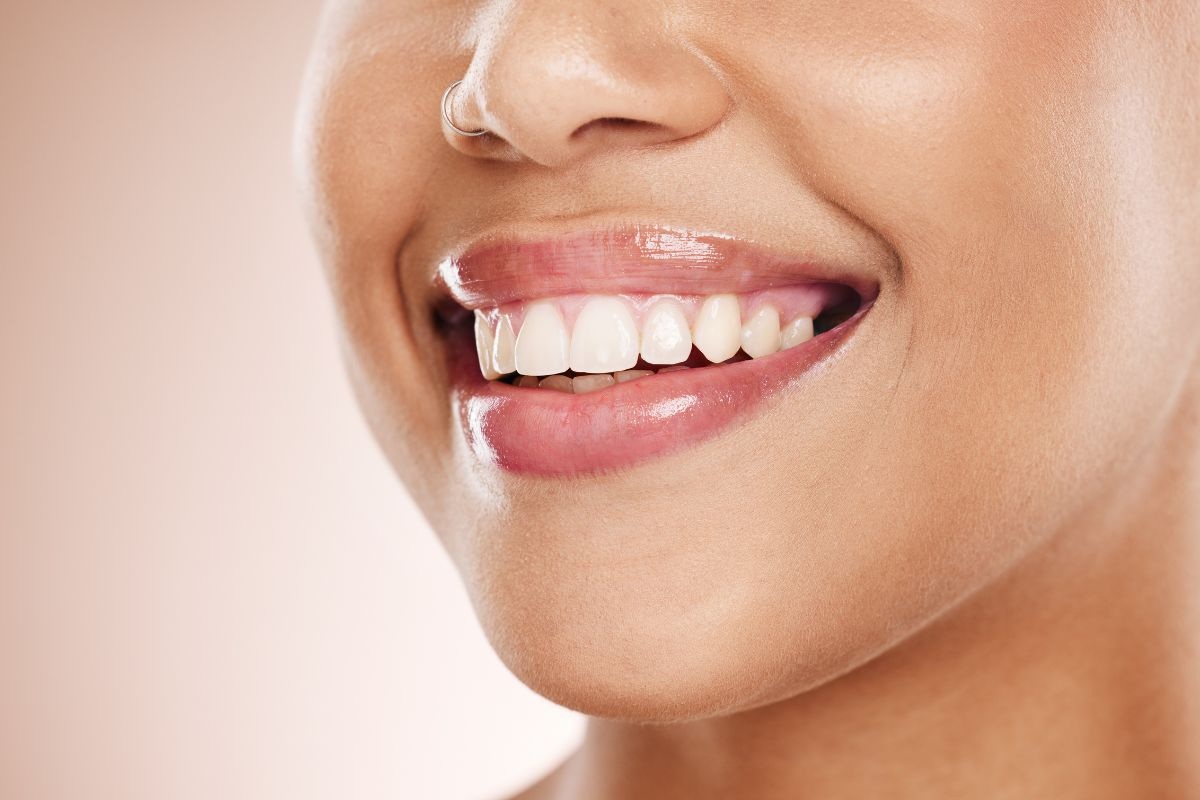
Small chips can make an otherwise healthy smile look uneven. They commonly occur because of accidental injuries, biting hard foods, teeth grinding, or everyday wear.
Even a minor chip on a front tooth can become noticeable when you smile or speak.
Consider a dental evaluation if you notice:
- Small chips along the edges of your front teeth.
- Rough or uneven tooth surfaces.
- Visible cracks or changes in tooth shape.
- One tooth that looks different from the surrounding teeth.
Dental bonding is one possible cosmetic solution for certain minor chips. It uses tooth-colored composite resin to reshape or restore the affected area.
More extensive damage may require a different restorative approach, such as a dental crown.
It is important to distinguish cosmetic imperfections from structural damage. A cracked tooth should be evaluated before considering an appearance-focused treatment.
3. Gaps Between Your Teeth Make You Self-Conscious
Small spaces between teeth are perfectly natural for some people. However, if you feel uncomfortable about noticeable gaps, cosmetic dentistry may offer ways to improve their appearance.
Gaps, also called diastemas, can occur for several reasons, including differences in tooth size, jaw structure, or the positioning of teeth.
Depending on the size and cause of the spaces, possible treatments may include:
- Dental bonding: Tooth-colored material can be added to selected teeth to reduce the appearance of small gaps.
- Porcelain veneers: Thin custom-made coverings can change the appearance and proportions of teeth.
- Orthodontic treatment: Braces or clear aligners may help move teeth into better alignment.
The best option depends on your bite, tooth structure, and the reason the gaps developed.
If gaps appear suddenly or are becoming larger, it is particularly important to have your gums and supporting structures examined.
4. Your Teeth Have Uneven Shapes or Sizes
Not every smile concern involves discoloration or damage. Sometimes, individual teeth simply have different shapes, lengths, or proportions.
For example, you may have one front tooth that looks shorter than the other, unusually pointed teeth, or edges that do not align evenly.
These differences may be natural or related to previous wear and dental damage.
Depending on your situation, a dentist may recommend cosmetic bonding or veneers to improve the overall appearance of your teeth.
The goal is not necessarily to make every tooth identical. Instead, treatment should complement your facial features and create a balanced, natural-looking smile.
A professional assessment can help determine how much reshaping is appropriate without unnecessarily removing healthy tooth structure.
5. Your Teeth Look Worn Down
Teeth naturally experience wear over time, but excessive wear can affect both their appearance and function.
Grinding or clenching, acidic foods and beverages, and enamel erosion can contribute to changes in tooth shape.
You might notice:
- Teeth that appear shorter than they used to.
- Flattened or uneven biting surfaces.
- Increased tooth sensitivity.
- Small chips along the edges.
- Changes in the appearance of your smile.
Before considering cosmetic treatment, it is important to identify what is causing the wear.
For example, if nighttime grinding is responsible, a custom nightguard may help protect your teeth from further damage. Depending on the extent of the wear, restorative or cosmetic treatments may also be considered.
Addressing the underlying cause helps protect your teeth and supports the long-term success of any recommended treatment.
6. Your Dental Work No Longer Matches Your Natural Teeth
Dental restorations such as fillings, crowns, and other dental work are designed to restore damaged teeth. However, their appearance may become less consistent with surrounding natural teeth over time.
For example, an older filling may become noticeable when you smile, or a crown may appear darker than your natural teeth.
This can be especially noticeable on front teeth.
If you are concerned about mismatched restorations, your dentist can evaluate whether replacing or updating them would improve the appearance of your smile.
It is worth remembering that whitening treatments generally do not change the color of existing crowns, veneers, or fillings. Therefore, treatment planning should account for any existing dental work.
7. You Avoid Smiling Because You Feel Uncomfortable About Your Teeth
Sometimes, the biggest sign that you may benefit from cosmetic dentistry is how you feel about your smile.
Perhaps you cover your mouth when laughing, avoid smiling in photographs, or feel distracted by the appearance of your teeth during conversations.
These feelings do not necessarily mean you need dental treatment. However, if there is something about your smile you would genuinely like to change, discussing your concerns with a dentist can be a helpful first step.
You do not need to pursue a complete smile makeover to make a difference. Sometimes, addressing one specific concern, such as discoloration or a chipped tooth, may be enough to help you feel more comfortable.
Your treatment should reflect your personal goals, oral health, and preferences.
Which Cosmetic Dentistry Treatment Might Be Right for You?
Cosmetic dentistry includes several approaches, and the right choice depends on what you want to improve.
Here are some commonly discussed options:
- Professional teeth whitening: Helps lighten eligible natural teeth affected by certain types of discoloration.
- Dental bonding: Uses tooth-colored composite resin to improve the appearance of minor chips, gaps, and irregularities.
- Porcelain veneers: Thin restorations placed over the front surfaces of teeth to change their color, shape, or appearance.
- Dental crowns: Cover and protect teeth that are significantly weakened or damaged while also improving their appearance.
Not every treatment is suitable for every patient. Your dentist will consider your enamel, gums, bite, existing restorations, and overall oral health before recommending an approach.
If you are exploring ways to improve your smile, you can also read about cosmetic dentistry options for a brighter smile to understand the different approaches available.
How to Know If You Are a Good Candidate for Cosmetic Dentistry
Having stained, chipped, or uneven teeth does not automatically mean you are ready for cosmetic treatment.
A dental examination is important because underlying concerns such as tooth decay, gum disease, or weakened enamel may need attention first.
During your consultation, your dentist may:
- Examine your teeth and gums.
- Discuss the concerns you have about your smile.
- Evaluate existing fillings, crowns, and other restorations.
- Consider your bite and overall dental health.
- Explain suitable treatment options, including their benefits and limitations.
It is also a good opportunity to discuss your expectations, treatment timeline, maintenance requirements, and costs.
At Bartlesville Dental Studio, patients can discuss their smile goals and explore personalized dental care options with a focus on comfort and individual needs.
Frequently Asked Questions
1. What are the most common signs you need cosmetic dentistry?
Common signs include stained teeth, chipped edges, visible gaps, uneven tooth shapes, worn enamel, and noticeable differences between natural teeth and existing restorations. Feeling unhappy with your smile may also encourage you to explore cosmetic options.
2. Is cosmetic dentistry only for people with damaged teeth?
No. Cosmetic dentistry can address concerns involving otherwise healthy teeth, including discoloration, spacing, and uneven shapes. However, any underlying dental problems should be evaluated before cosmetic treatment begins.
3. What is the simplest cosmetic dental treatment for improving a smile?
The simplest option depends on the concern. Professional whitening may help with certain stains, while bonding can improve minor chips or small gaps. A dentist can recommend an appropriate option after examining your teeth.
4. Is cosmetic dentistry painful?
Many cosmetic procedures are minimally invasive, although comfort levels depend on the treatment and individual circumstances. Some procedures may require local anesthesia, while others may not. Your dentist can explain what to expect before treatment.
5. How long do cosmetic dental treatments last?
Longevity varies by procedure, materials, oral hygiene habits, and lifestyle. Whitening may need occasional touch-ups, while bonding and veneers can last for years with proper care. Regular dental visits and good home care help maintain your results.
Improve Your Smile With Personalized Cosmetic Dentistry
You do not have to live with smile concerns that make you uncomfortable. Whether you are dealing with stubborn stains, chipped teeth, uneven edges, or visible gaps, cosmetic dentistry may offer options worth exploring.
The first step is understanding what is causing the concern and which treatments are appropriate for your oral health.
At Bartlesville Dental Studio, patients can explore personalized cosmetic dental solutions based on their needs and smile goals. If you are considering improving your smile, schedule a consultation to discuss your options.
Visit Bartlesville Dental Studio in Bartlesville, Oklahoma, to take the next step toward a smile you feel comfortable sharing.