2320 Nowata Pl, Bartlesville, OK 74006

7 Cosmetic Dentistry Options for a Brighter Smile
Request Appointment

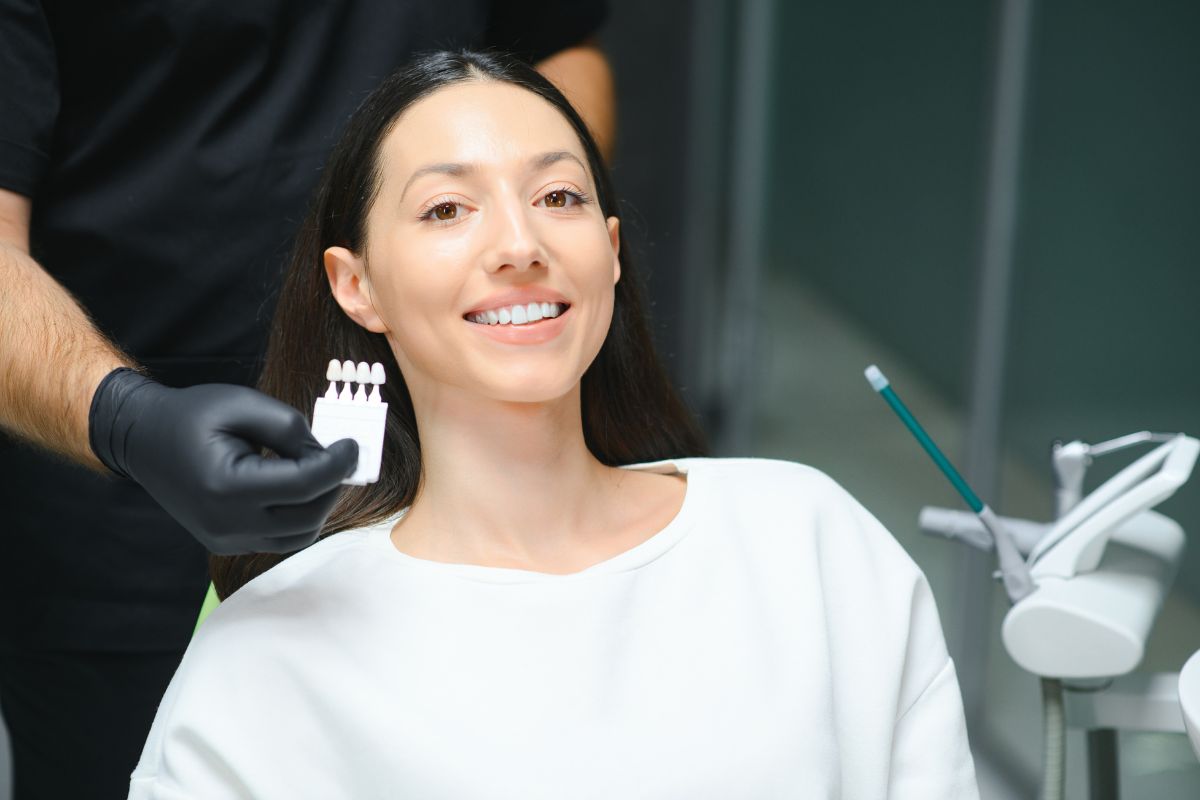
A smile can change how you feel about your appearance, whether you’re preparing for a special occasion or simply want to feel more comfortable smiling every day. Fortunately, cosmetic dentistry is not limited to one type of treatment. Depending on your goals, there are several ways to improve the color, shape, size, spacing, or overall appearance of your teeth.
At Bartlesville Dental Studio, patients considering a cosmetic dentist in Bartlesville can discuss their concerns and explore treatment options based on their existing oral health, smile goals, and personal preferences. Cosmetic dentistry may involve something as simple as professional whitening or a more comprehensive combination of treatments.
Here are seven common cosmetic dentistry options to consider.
Quick Answer
The most common cosmetic dentistry options include professional teeth whitening, dental veneers, cosmetic dental bonding, tooth-colored restorations, inlays and onlays, clear aligner treatment, and comprehensive smile makeovers. The appropriate option depends on what you want to change, your dental health, and how much correction is needed.
1. Professional Teeth Whitening
If your main concern is tooth discoloration, whitening may be one of the simplest cosmetic treatments to consider.
Teeth can become darker or stained over time because of foods, beverages, tobacco exposure, aging, and other factors. Professional whitening is designed to lighten the appearance of natural teeth and can be considered when discoloration is the primary concern.
However, whitening does not change the shape of teeth or correct chips, gaps, or significant alignment problems. It also may not produce the same effect on dental restorations as it does on natural tooth enamel.
A dental evaluation can help determine whether whitening is appropriate and what type of result may be realistic for your smile.
2. Dental Veneers
Veneers are thin coverings placed over the visible surface of teeth. They can be used to address certain cosmetic concerns involving tooth color, shape, size, or minor imperfections.
Depending on the individual situation, veneers may be considered for teeth that appear:
- Discolored
- Chipped
- Uneven in shape
- Worn
- Slightly irregular
- Affected by certain cosmetic imperfections
Veneers are different from whitening because they change the appearance of the tooth itself rather than simply lightening natural enamel.
Because veneers involve irreversible changes to the tooth in many cases, a consultation is important before deciding whether they are appropriate.
3. Cosmetic Dental Bonding
Dental bonding uses a tooth-colored composite material to improve the appearance of selected teeth. The material is shaped to address certain imperfections and then hardened so it bonds to the tooth.
Bonding may be useful for relatively minor cosmetic concerns, such as small chips, uneven edges, or limited spacing.
One advantage is that bonding can often address a specific tooth without requiring a more extensive cosmetic treatment. However, the best option depends on the condition of the tooth and the correction needed.
If you’re unsure whether bonding or another cosmetic treatment makes sense, a dental examination can help clarify your choices.
4. Tooth-Colored Restorations
Cosmetic dentistry can also overlap with restorative dentistry. When a tooth needs a filling or other restoration, tooth-colored materials can provide a more natural-looking appearance than traditional metal-colored restorations.
These restorations are designed to repair teeth while blending more closely with surrounding tooth structure.
This can be especially relevant when a visible tooth has decay or damage that needs treatment. In those situations, restoring the tooth’s health comes first, while its appearance can also be considered as part of the treatment plan.
5. Inlays and Onlays
Inlays and onlays can be used to restore teeth that have more damage than a typical filling may be able to address but do not necessarily require a full crown.
They are custom-made to fit the affected portion of the tooth. Depending on the material and clinical situation, they can provide a restoration that blends naturally with the surrounding teeth.
While inlays and onlays are primarily restorative treatments, their appearance can also be an important consideration when repairing visible teeth.
6. Clear Aligner Treatment
For some patients, improving the appearance of a smile involves more than changing tooth color or shape. The position of the teeth may also be part of the concern.
Clear aligner treatment uses a series of removable, transparent trays to gradually move teeth toward planned positions. Whether aligners are appropriate depends on the individual’s bite, tooth position, oral health, and treatment goals.
If you’re specifically interested in how cosmetic dentistry can fix crooked teeth, an evaluation can help determine whether clear aligners, another orthodontic approach, or a combination of treatments would be more suitable.
It’s important to remember that not every crooked or crowded smile can be treated in exactly the same way.
7. A Comprehensive Smile Makeover
Sometimes a patient has several cosmetic concerns rather than one specific issue. For example, someone may want to address tooth discoloration while also improving chipped, uneven, or irregularly shaped teeth.
In these situations, a dentist may discuss a personalized combination of cosmetic treatments. Depending on the patient’s needs, this could involve treatments such as whitening, veneers, bonding, or restorative procedures.
A smile makeover is not a single standardized procedure. The treatment plan should be based on the patient’s oral health, concerns, priorities, and desired level of change.
How Do You Choose the Right Cosmetic Dentistry Option?
The right treatment is not necessarily the most extensive treatment. It depends on what you want to change and why.
Before choosing a cosmetic procedure, consider:
- Your primary concern: Is it color, shape, spacing, chips, or alignment?
- Your oral health: Cavities, gum disease, or other problems may need attention first.
- The amount of correction needed: Minor imperfections may require a different approach than significant changes.
- Your treatment preferences: Some options are more conservative, while others involve permanent changes.
- Your long-term expectations: Discuss maintenance, durability, and realistic results with your dentist.
A personalized examination can help you understand the available choices instead of trying to determine the best treatment from photographs or online descriptions alone.
Cosmetic Dentistry in Bartlesville
For patients in Bartlesville, choosing cosmetic dental care is about more than finding a treatment that looks appealing online. Your dentist should consider the health and structure of your teeth along with your cosmetic goals.
Bartlesville Dental Studio combines cosmetic and restorative dental care with a patient-focused approach. The practice provides a range of dental services designed around individual needs, and treatment recommendations are made after evaluating the patient’s circumstances.
When researching cosmetic dental care in the Bartlesville area, you can also explore reviews from local patients to get a better understanding of other patients’ experiences with the practice.
Frequently Asked Questions
What is the most common cosmetic dentistry treatment?
Teeth whitening is a common cosmetic treatment for patients whose main concern is tooth discoloration. Other treatments, including bonding and veneers, may be considered when patients want to change tooth shape, chips, spacing, or other cosmetic characteristics.
Can cosmetic dentistry fix crooked teeth?
Some cases of mildly crooked or crowded teeth may be addressed with clear aligners, while other situations may require orthodontic treatment or a different approach. An examination is needed to determine what treatment is appropriate for a particular smile.
Is cosmetic dentistry only about making teeth whiter?
No. Cosmetic dentistry can address several aspects of a smile, including tooth color, shape, size, spacing, chips, and certain alignment concerns. Some cosmetic treatments also overlap with restorative dentistry.
How do I know which cosmetic dentistry option is right for me?
Start by identifying what you would most like to change. A dentist can then evaluate your teeth and gums, discuss available treatments, explain the advantages and limitations of each option, and help you understand which approaches may fit your goals.
Does cosmetic dentistry replace regular dental care?
No. Cosmetic treatment does not replace preventive and restorative dental care. Maintaining healthy teeth and gums is an important part of achieving and maintaining an attractive smile.
Give Your Smile Goals a Personalized Starting Point
There is no single cosmetic treatment that is right for everyone. Some patients may need only whitening, while others may benefit from bonding, veneers, aligners, restorative treatment, or a combination of procedures.
If you’re considering cosmetic dentistry in Bartlesville, start with a conversation about what you would like to change and what kind of result you hope to achieve. Bartlesville Dental Studio can evaluate your smile and discuss appropriate options based on your individual dental needs.