2320 Nowata Pl, Bartlesville, OK 74006

Does Bonding Look More Natural Than Veneers?
Request Appointment

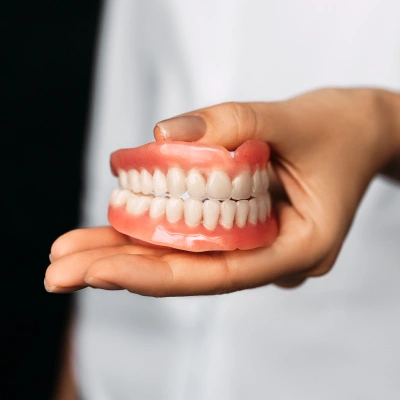
If you’re wondering, “Does bonding look more natural than veneers?” the answer depends on your teeth, your smile goals, and the type of cosmetic treatment you choose.
At Bartlesville Dental Studio, we help patients in Bartlesville, OK, understand the differences between cosmetic bonding and veneers so they can make informed decisions. In this article, we’ll break down dental cosmetic bonding, bonding vs. veneers, and everything you need to know about veneers vs bonding to achieve a natural-looking smile.
Understanding Dental Bonding
What Is Dental Bonding?
Cosmetic dental bonding is a minimally invasive procedure where a tooth-colored resin is applied and sculpted to repair chips, gaps, or discoloration. Also referred to as cosmetic tooth bonding, it’s typically completed in a single visit by your dentist or cosmetic bonding specialist.
Aesthetic Considerations
Tooth cosmetic bonding can mimic the natural shade of your teeth, making it an ideal solution for minor imperfections. While it offers a natural appearance, it may not perfectly match highly translucent teeth or cover large gaps as seamlessly as veneers.
Pros and Cons
Pros:
- Quick and cost-effective solution
- Non-invasive, often reversible
- Can improve minor chips or discoloration
Cons:
- Less durable than veneers
- Prone to staining over time
- Requires touch-ups every few years
Exploring Dental Veneers
What Are Veneers?
Veneers are ultra-thin shells, made from porcelain or composite, bonded to the front surface of teeth. They are sometimes compared with dental bonding vs. veneers when patients weigh options. Porcelain veneers are highly durable and stain-resistant, while composite veneers offer a slightly more affordable alternative.
Aesthetic Benefits
Cosmetic bonding vs. veneers highlights the superior aesthetic quality of veneers. They provide a uniform, natural-looking smile and can correct multiple imperfections in a single treatment. Their translucency mimics natural enamel closely, making them ideal for a highly polished, long-lasting result.
Pros and Cons
Pros:
- Highly durable and long-lasting
- Resistant to staining
- Creates a flawless, natural appearance
Cons:
- Higher cost than bonding
- Irreversible procedure
- Requires multiple dental visits
Comparative Analysis
Natural Appearance
When comparing teeth bonding vs veneers, bonding can look natural for small corrections, but veneers generally provide a more consistent and flawless aesthetic. Dental bonding vs veneer results show that veneers better replicate enamel translucency.
Durability and Maintenance
Cosmetic dental bonding typically lasts 5–7 years, whereas veneers can last 10–15 years with proper care. Veneers require less maintenance in terms of staining, but bonding can be easily touched up if needed.
Conclusion
Choosing between cosmetic bonding teeth and veneers depends on your smile goals, budget, and the extent of dental correction needed. While dental cosmetic bonding is ideal for minor fixes and a natural look, veneers excel in durability and uniformity. At Bartlesville Dental Studio, our team helps you understand bonding vs veneers, guiding you toward the best solution for your smile.
Schedule a consultation at Bartlesville Dental Studio today to explore cosmetic dental bonding, veneers, or any other cosmetic option, and achieve a natural, confident smile
FAQs
Q. Why is bonding better than veneers?
A: Affordable – Bonding costs less than veneers, is quick (often one visit), and reversible without removing natural enamel.
Q. Can dental bonding look natural?
A: Yes, dental bonding can look natural when a skilled dentist matches, shapes, and polishes the resin. It may stain over time and is less durable than teeth or crowns.