2320 Nowata Pl, Bartlesville, OK 74006

Dental Implant Procedure Steps: What to Expect at Each Stage
Request Appointment

Losing a tooth can affect more than your smile. It may change how you chew, speak, and feel about your appearance. Dental implants offer a tooth replacement option designed to restore both function and appearance. However, the treatment involves several stages, and understanding the process beforehand can make the experience feel less overwhelming.
If you are considering dental implants treatment in Bartlesville, knowing what happens at each appointment can help you prepare. From the first consultation to the placement of your final restoration, every stage serves a specific purpose in creating a stable, functional replacement for a missing tooth.
Let’s walk through the dental implant procedure steps so you know what to expect along the way.
Quick Answer: What Are the Steps in a Dental Implant Procedure?
The dental implant process generally involves an initial consultation, dental imaging and treatment planning, preparation of the implant site if necessary, surgical placement of the implant, a healing period, abutment placement, and attachment of the final crown. The exact number of appointments and overall treatment time depend on your oral health, bone condition, and individual treatment needs.
Step 1: Initial Consultation and Dental Examination
Every successful dental implant treatment begins with understanding your individual dental needs.
During your first appointment, the dentist examines your teeth, gums, and overall oral health. They will discuss your missing tooth or teeth, dental history, and what you hope to achieve with treatment.
This consultation may include:
- Examining your gums and remaining teeth.
- Checking the condition of your jawbone.
- Reviewing your medical and dental history.
- Discussing medications and health conditions that could affect healing.
- Evaluating whether dental implants are an appropriate option.
You can also discuss questions about the procedure, expected treatment time, and costs.
The goal is to determine whether implants are suitable for you and identify any issues that should be addressed before treatment begins.
Step 2: Dental Imaging and Personalized Treatment Planning
Once the initial examination is complete, the next stage involves planning the implant procedure.
Dental X-rays and, when needed, 3D imaging such as cone-beam computed tomography (CBCT) help the dentist evaluate your jawbone, nearby teeth, nerves, and surrounding structures.
This information helps determine:
- The ideal implant location.
- Whether sufficient bone is available.
- The appropriate implant size and position.
- Whether additional procedures may be needed.
- The type of restoration that will complete your treatment.
Every patient’s situation is different. Someone replacing a single missing tooth may need a different treatment plan from someone replacing several teeth.
Careful planning helps the dental team approach the procedure with a clear understanding of your needs.
Step 3: Preparing the Implant Site
Before implant placement, some patients need additional dental treatment to prepare the area.
For example, a damaged tooth may need to be removed if it is still present. If the jawbone does not have enough volume or density to support an implant, bone grafting may be recommended.
Bone grafting involves placing bone material in an area where additional support is needed. The material helps create conditions for new bone growth, although the healing period can add time to the overall treatment.
Not every patient requires these procedures. Some people have sufficient healthy bone and can proceed directly to implant placement.
Your dentist will explain whether preparation is necessary based on your examination and imaging results.
Step 4: Surgical Placement of the Dental Implant
This is the stage most people think of when they hear about dental implant surgery.
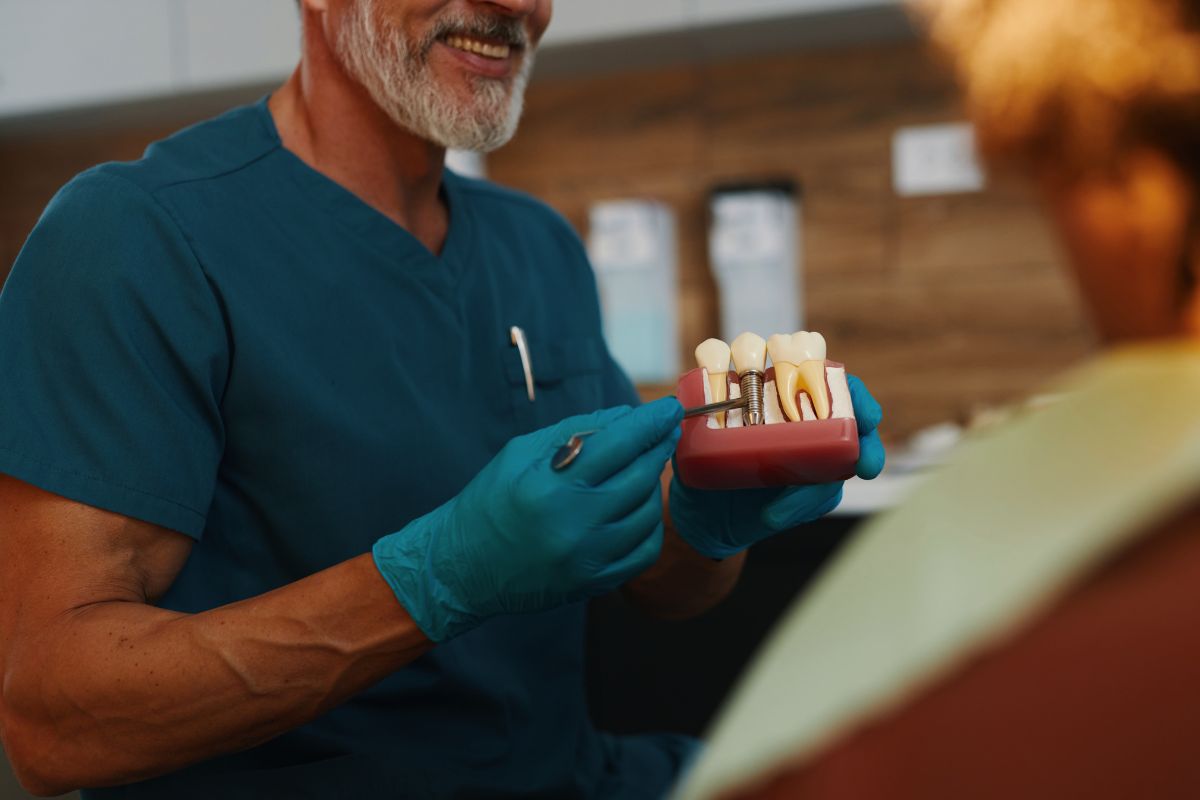
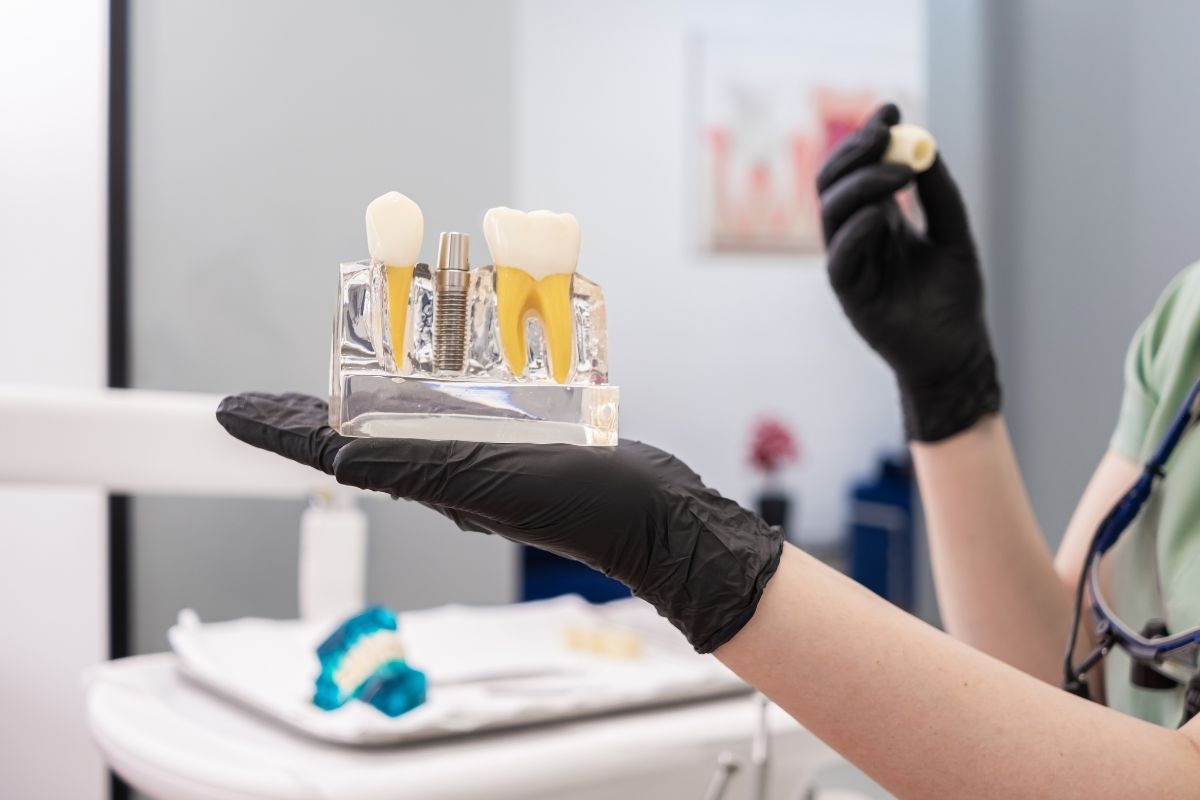
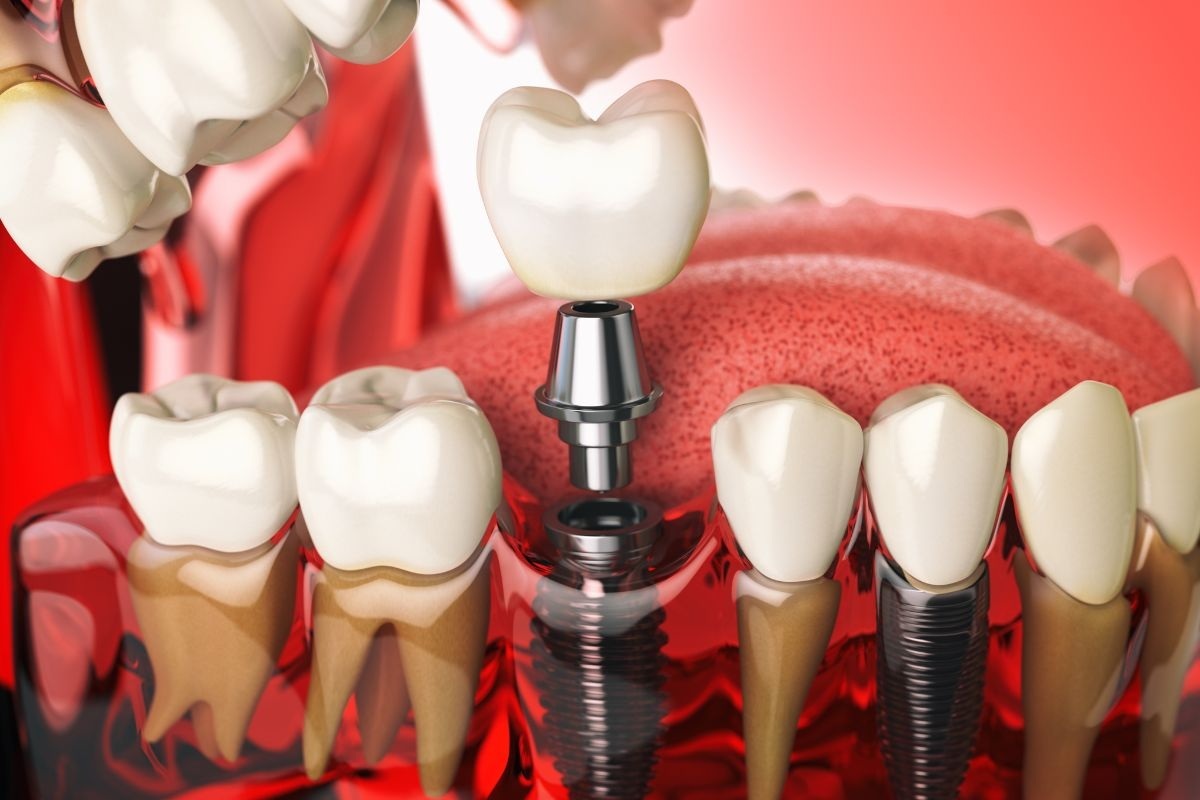
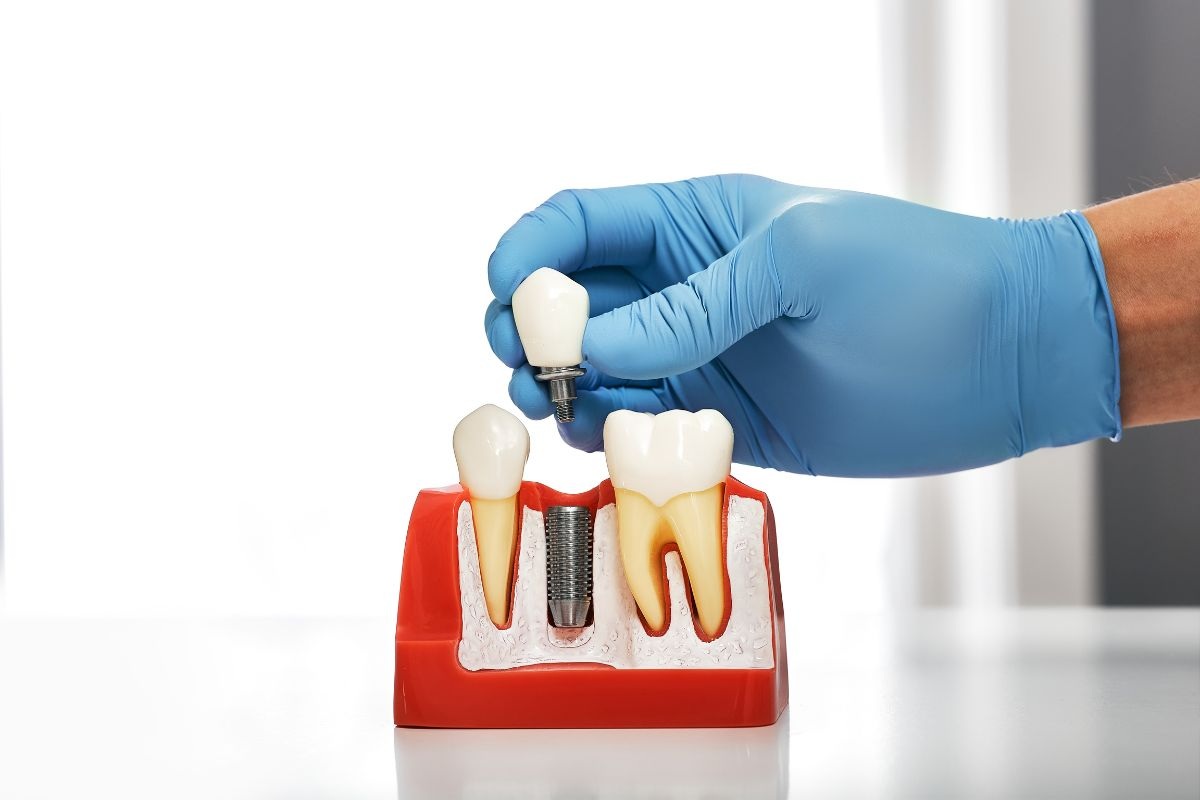
A dental implant is a small, usually titanium-based post that is placed into the jawbone to serve as an artificial tooth root.
During the procedure, the dentist prepares the implant site and places the implant into the planned position. Local anesthesia is commonly used to help keep the area comfortable during surgery. Sedation options may also be discussed when appropriate.
After placement, the implant may be covered with gum tissue or fitted with a healing component, depending on the treatment approach.
Some patients may receive a temporary tooth during treatment, while others need to wait until the implant has healed before receiving their final restoration.
Your dentist will explain what is appropriate for your particular situation.
Step 5: Healing and Osseointegration
After implant placement, the body needs time to heal.
One of the most important parts of the dental implant process is osseointegration. This is the process in which the surrounding jawbone gradually bonds with the implant surface.
This connection provides the foundation needed to support the replacement tooth.
Healing time varies from patient to patient. It may take several months, depending on factors such as bone quality, implant location, overall health, and whether bone grafting was performed.
During this period, you may be advised to:
- Follow the dentist’s post-operative instructions.
- Choose softer foods while the surgical area heals.
- Maintain gentle but consistent oral hygiene.
- Avoid smoking and tobacco products.
- Attend scheduled follow-up appointments.
- Contact the dental office if you experience concerning symptoms.
For additional guidance, patients can also review information about dental implant recovery to better understand what to expect after surgery.
Step 6: Abutment Placement
Once the implant has integrated with the surrounding bone and the dentist confirms that healing is progressing appropriately, the next stage may involve placing an abutment.
An abutment is a small connector that attaches to the implant and supports the final replacement tooth.
Depending on the surgical technique, the abutment may already be in place or may require a separate appointment.
If a separate procedure is needed, the dentist exposes the implant as necessary and attaches the abutment. The gum tissue may then need additional time to heal around it.
This component creates the connection between the implant underneath the gums and the visible replacement tooth.
Step 7: Final Crown Placement and Bite Adjustment
The final stage is when your replacement tooth takes shape.
Once the implant site is ready, impressions or digital scans may be taken to create a custom dental crown. The crown is designed to fit the space and complement your surrounding teeth.
During placement, the dentist checks:
- How the crown fits against neighboring teeth.
- Whether your bite feels comfortable.
- The appearance and shape of the restoration.
- Whether any adjustments are needed.
After the crown is secured, the implant restoration is ready to function as a replacement tooth.
Your dentist will also explain how to care for the implant and maintain healthy surrounding gums.
How Long Does the Entire Dental Implant Process Take?
There is no single timeline that applies to every patient.
Some implant treatments can be completed in a few months, while others take longer because of additional procedures or healing requirements.
The overall timeline may depend on:
- Whether a tooth extraction is necessary.
- Whether bone grafting is required.
- The location of the missing tooth.
- How quickly the implant integrates with the bone.
- Your general and oral health.
- The type of final restoration being used.
It is important not to rush the healing process. Your dentist will determine when the implant is ready for the next stage.
What Can You Do to Prepare for Dental Implant Treatment?
A little preparation can make your treatment experience more manageable.
Consider these practical steps:
- Share your medical history: Tell your dentist about medications, existing health conditions, and previous dental procedures.
- Follow pre-treatment instructions: Ask whether you need to make any changes before surgery.
- Plan for recovery: Arrange transportation if sedation is planned and prepare appropriate foods for the initial healing period.
- Maintain oral hygiene: Keep your teeth and gums clean according to your dentist’s instructions.
- Attend follow-up visits: Regular evaluations help your dentist monitor healing and address concerns.
Good preparation and communication help you understand what to expect throughout treatment.
Frequently Asked Questions About Dental Implant Procedure Steps
1. Is dental implant surgery painful?
Local anesthesia is commonly used during implant placement to minimize discomfort. After the procedure, some soreness, swelling, or tenderness may occur. Your dentist can recommend appropriate ways to manage these symptoms.
2. How many appointments are needed for dental implants?
The number varies depending on your treatment plan. Most patients require multiple visits for consultation, implant placement, healing evaluations, and final crown placement. Additional procedures may require more appointments.
3. Can I get a temporary tooth while my implant heals?
In some cases, a temporary tooth can be provided while the implant integrates with the jawbone. Whether this is possible depends on implant stability, bite conditions, and the location of the missing tooth.
4. What happens if I do not have enough jawbone for an implant?
If your jawbone does not provide enough support, your dentist may recommend bone grafting or another appropriate treatment approach. An examination and dental imaging help determine the available options.
5. How do I care for my dental implant after treatment?
Brush twice daily, clean between your teeth, and attend regular dental checkups. Your dentist may recommend additional cleaning tools or techniques depending on your restoration and gum health.
Conclusion
Dental implant treatment involves several stages, from the initial examination and treatment planning to implant placement, healing, and final crown restoration. Although the process takes time, understanding each step can help you feel more prepared and make informed decisions about replacing missing teeth.
If you are exploring tooth replacement options, Bartlesville Dental Studio can help you understand whether dental implants may be appropriate for your dental needs. If you would like to learn more about the practice, you can explore reviews from local patients and read about their experiences with Bartlesville Dental Studio. Patients in Bartlesville, can schedule a consultation to discuss their concerns, treatment possibilities, and the next steps toward restoring their smiles.