2320 Nowata Pl, Bartlesville, OK 74006

Are Whitening Strips Bad for Your Teeth? Here’s What a Bartlesville Dentist Wants You to Know
Request Appointment

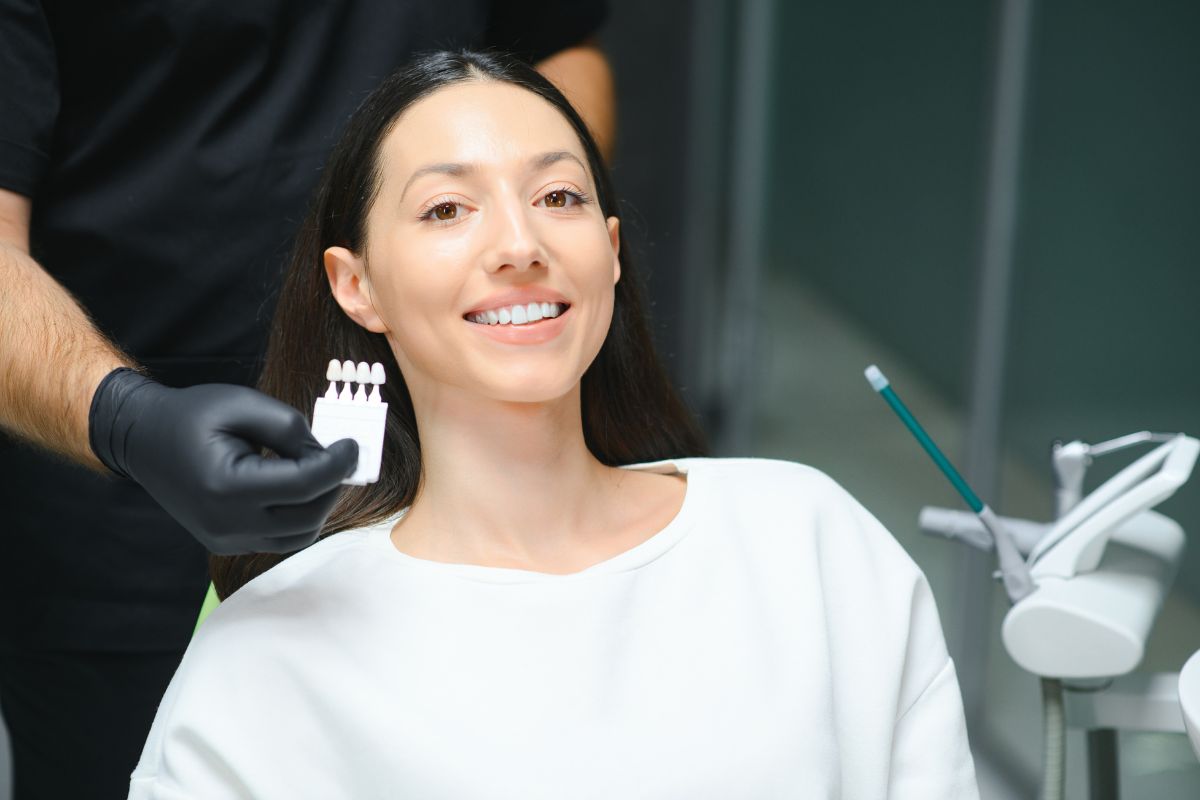
“Are whitening strips bad for your teeth?” Not inherently.
When used properly, most over-the-counter whitening teeth strips are considered safe and can effectively brighten your smile. However, improper use or overuse may lead to tooth sensitivity, enamel erosion, and other oral health issues.
At Bartlesville Dental Studio, our experienced team encourages you to consult with a dental professional before beginning any dental whitening treatment, even with store-bought products, to ensure it’s safe and suitable for your unique smile.
Are Teeth Whitening Strips Safe?
Yes, teeth whitening strips are generally safe when used as directed. Many patients seeking teeth whitening in Bartlesville use whitening strips, including popular options like Crest White Strips. While teeth whitening strips can effectively brighten your smile, overuse may cause sensitivity, so it’s best to follow instructions or consult your dentist.
What Are Whitening Strips?
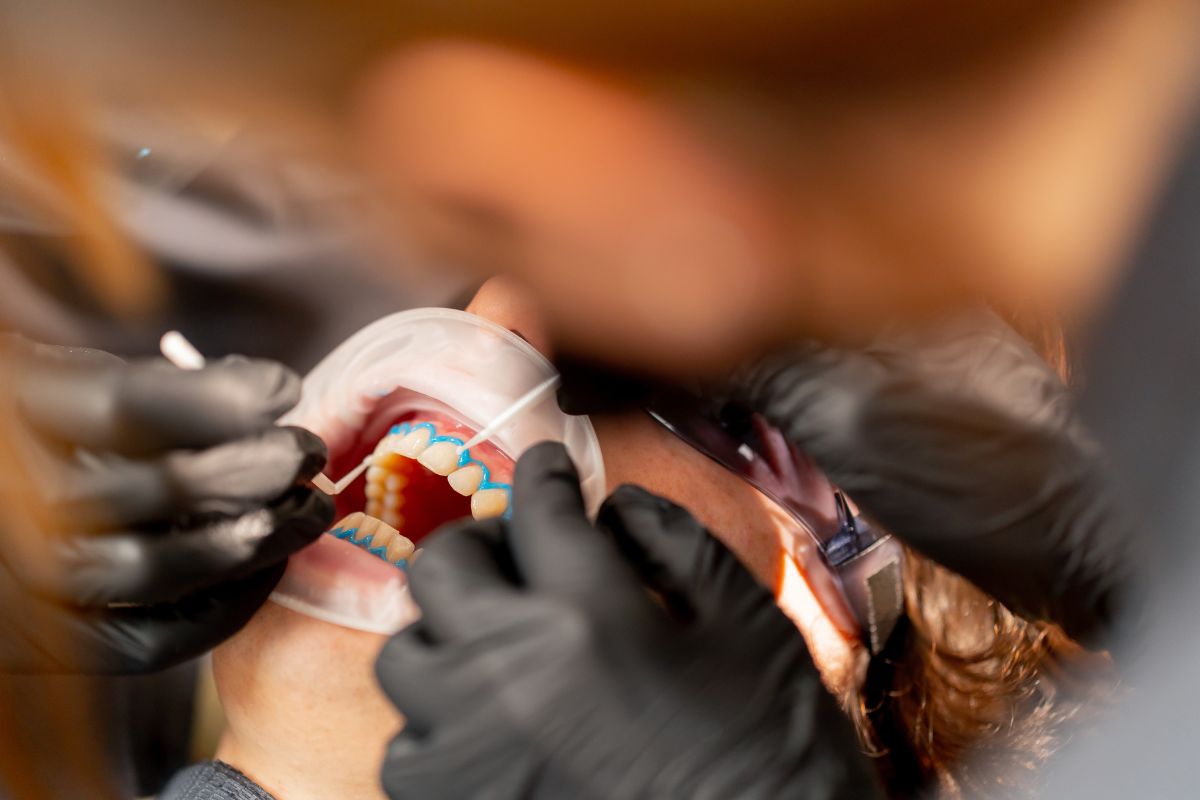
Whitening dental strips are thin, flexible plastic sheets coated with a gel containing peroxide-based bleaching agents. These products are designed to cling to your teeth and gradually whiten them over a set period, usually 30 minutes daily for one to two weeks.
Common ingredients in teeth whitening strips include:
- Hydrogen Peroxide – The active whitening agent
- Glycerin – Helps the gel adhere
- Sodium Hydroxide – Assists in stain breakdown
- Polyvinylpyrrolidone (PVP) – Keeps new stains from forming
While effective for whitening teeth treatment, they work best on surface-level stains and aren’t suitable for internal tooth discoloration or dental restorations.
How Well Do They Work?
For many users, whitening teeth strips can brighten a smile by one to two shades within 14 days. However, results vary depending on stain severity, strip quality, and consistency of use. While they’re accessible and affordable, they’re not always the most powerful or long-lasting teeth whitening treatment available.
For stubborn stains or deeper discoloration, a professional dental whitening session with a cosmetic dentist in Bartlesville is far more effective and tailored to your needs.
Risks & Side Effects
Sensitivity & Irritation
One of the most common side effects of dental whitening strips is tooth sensitivity. You may feel zings of pain or discomfort when eating hot, cold, or sweet foods. Some users also report gum irritation if the gel comes in contact with soft tissues.
Enamel/Dentin Health
Improper use — like leaving the strips on too long or using them too frequently — can wear down your enamel. This protective layer doesn’t regenerate, and damage to it can lead to long-term oral health problems. Some studies show that high concentrations of peroxide can affect the dentin underneath, weakening tooth structure.
Overuse Effects
Using teeth whitening strips more often than recommended doesn’t improve your results. Instead, it increases your risk of enamel erosion, translucent teeth, and heightened sensitivity.
Expert & Scientific Perspective
Clinical studies support the safe use of whitening dental strips when used as directed. However, research published in the Journal of Clinical Dentistry notes that over-the-counter products vary in peroxide concentration, application time, and safety. The American Dental Association (ADA) advises against using whitening products with unverified ingredients or more than 14% hydrogen peroxide without supervision.
At Bartlesville Dental Studio, our Bartlesville dentist team stays updated on the safest and most effective whitening protocols to protect your oral health.
How to Use Them Safely
To minimize risks and maximize results, follow these safety tips:
- Read the label: Avoid strips with chlorine dioxide or unlisted ingredients.
- Use once daily only: Never exceed the recommended frequency.
- Check peroxide concentration: Stay under 14% unless under dental supervision.
- Avoid brushing before use: Brushing may irritate the enamel during whitening.
- Don’t use on dental work: Strips won’t whiten crowns, veneers, or fillings.
- Follow up with a sensitivity toothpaste or fluoride rinse.
Safer Alternatives & Professional Options
If you’re concerned about side effects or want more predictable results, consider professional teeth whitening in Bartlesville.
- Custom whitening trays tailored to your bite
- In-office whitening for immediate results
- Safe concentrations are managed by your dentist
- Long-term maintenance plans to keep your smile bright
These options reduce the risks of sensitivity and protect your enamel — something no store-bought strip can guarantee.
Protect Your Smile with Professional Whitening Care
Whitening strips can be a convenient way to brighten your smile, but they’re not without risks. While safe for many when used properly, over-the-counter whitening strips can cause sensitivity, enamel damage, and inconsistent results, especially if overused or applied incorrectly. That’s why it’s important to consult a dental professional before starting any whitening regimen.
At Bartlesville Dental Studio, our team of experienced cosmetic dentist in Bartlesville ensures your smile stays healthy and radiant. We provide safe, effective options for teeth whitening in Bartlesville, tailored to your unique needs.
Contact Bartlesville Dental Studio to schedule your personalized whitening consultation with a cosmetic expert.
FAQs
Q. Can Teeth Whitening Strips Damage Teeth?
A: Whitening strips are safe when used correctly, but overuse or high concentrations of hydrogen peroxide can erode enamel and lead to tooth sensitivity.
Q. Do Dentists Recommend Teeth Whitening Strips?
A: Teeth whitening is generally safe for adults, but children and pregnant women should consult a doctor first. Prolonged use or overuse of whitening strips may cause tooth sensitivity.
Q. What is the Safest Way to Whiten Teeth?
A: Professional teeth whitening offers the safest, most effective results. Your dentist will first assess your oral health to ensure the treatment is both safe and suitable for you.
Q. Is PVP Safe For Teeth?
A: Yes, PVP (polyvinylpyrrolidone) is safe for teeth. It’s commonly used in whitening products to help remove stains and is considered non-toxic when used as directed.