2320 Nowata Pl, Bartlesville, OK 74006

Can Teeth Whitening Damage Your Teeth? What You Need to Know
Request Appointment

As dentists, whenever we recommend teeth whitening, the one question we come across is: “Does teeth whitening damage teeth?” The logical and satisfactory answer we always prefer to give is – when performed correctly, teeth whitening is generally safe and does not harm teeth.
However, if patients misuse or overuse whitening products, especially at home, it can lead to temporary sensitivity or enamel irritation.
“Is tooth whitening safe?” Yes, teeth whitening at the dentist is safe and one of the most popular cosmetic procedures. With options ranging from drugstore strips to advanced in-office treatments, it’s easier to enhance your appearance. Still, safety remains a top concern.
At Bartlesville Dental Studio, our dentist takes every precaution to ensure safe and effective results. This article will explain how professional whitening works, potential side effects, and when to consult a cosmetic dentist Bartlesville residents trust to achieve a brighter, healthier smile.
How Does Teeth Whitening Work?
Teeth whitening treatments use bleaching agents—typically hydrogen peroxide or carbamide peroxide – to break down stains on the enamel and dentin layers of your teeth. This chemical reaction helps lift discoloration caused by food, beverages, smoking, or aging.
There are two main types of teeth whitening treatment:
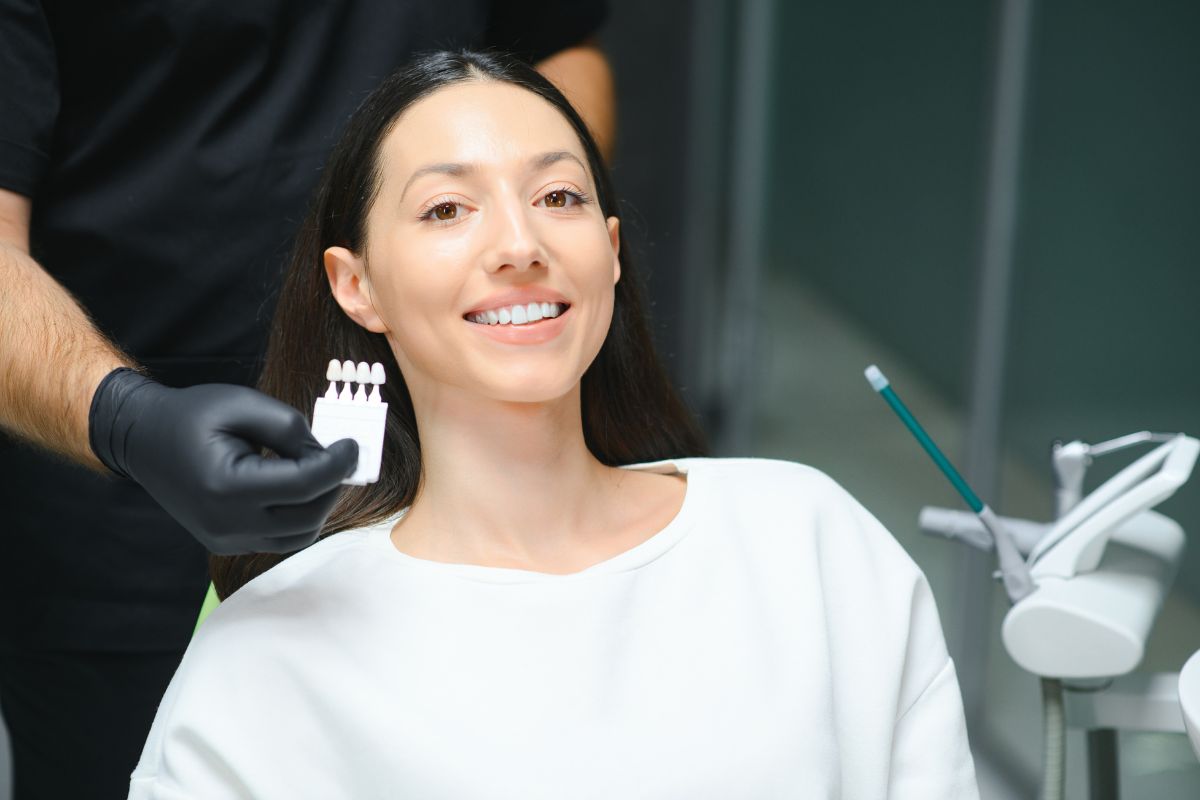
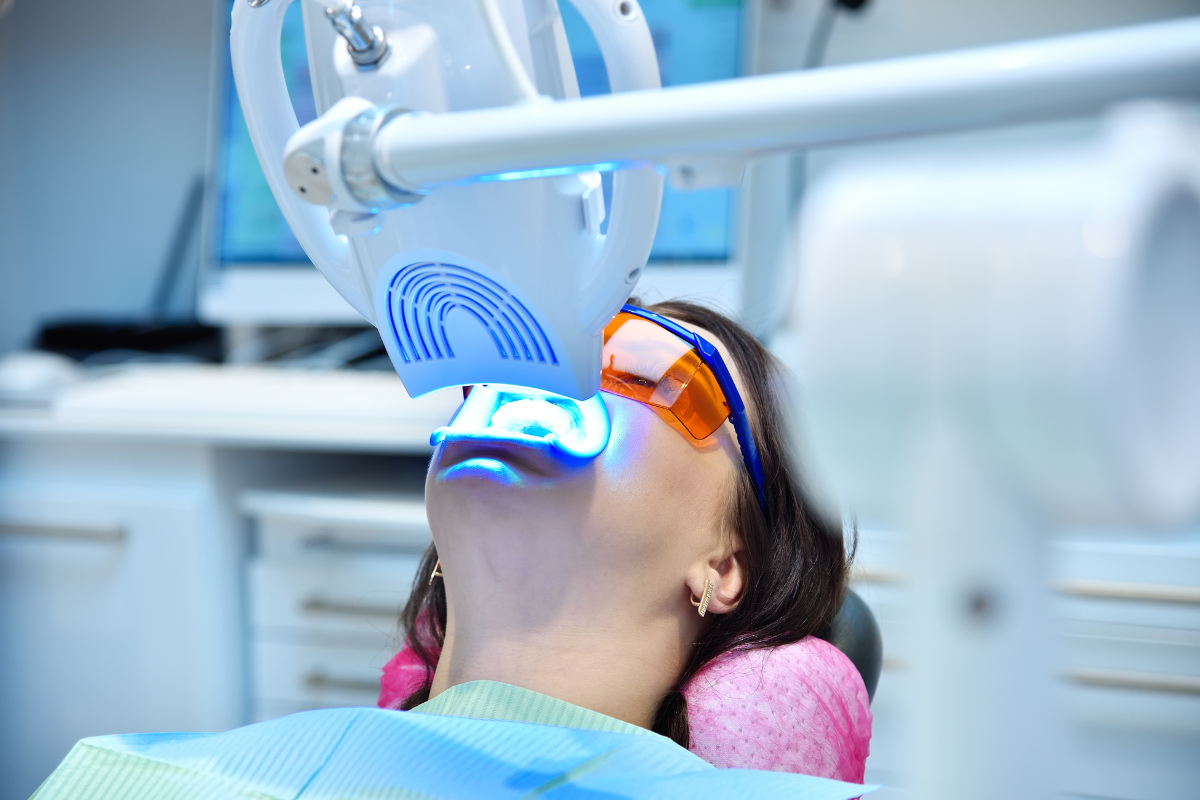
- In-office treatments: Performed by a dentist, these use higher-concentration agents under controlled conditions for fast and effective results.
- At-home products: Include whitening strips, gels, and trays with lower concentrations of peroxide, which require consistent use over several days or weeks.
Can Teeth Whitening Damage Teeth?
No, teeth whitening doesn’t damage teeth when performed correctly under dental supervision or with FDA-approved products.
However, there are potential teeth whitening side effects, especially when treatments are misused or overused.
1. Tooth Sensitivity
Is tooth whitening painful? Not exactly—but it can cause temporary sensitivity.
- Why it happens: The peroxide penetrates the enamel to reach the dentin, irritating the tooth nerve.
- How common is it? Quite common, especially after the first few sessions.
- How to manage it: Use desensitizing toothpaste, shorten treatment duration, or pause between sessions.
2. Gum Irritation
- Cause: Whitening gel coming into contact with soft tissues.
- Symptoms: Redness, soreness, or white patches.
- Is it serious? Usually temporary and resolves within a few hours to days.
3. Enamel Damage (Rare but Possible)
Here’s where caution is critical. Does teeth whitening damage your enamel? Not if done correctly, but improper use of whitening products can lead to enamel erosion or weakening.
- Causes of whitening teeth damage:
- Using products too frequently
- Leaving gel on for too long
- Using unregulated or highly abrasive products
- Result: Weakened enamel makes teeth more vulnerable to decay and sensitivity.
This is why it’s important to address concerns like: “Does whitening damage teeth?” – because the answer is yes if you misuse it.
4. Uneven Whitening
- Why it happens: At-home kits may not apply gel evenly, or restorations (like fillings or crowns) may not whiten.
- Outcome: A patchy appearance or color mismatch.
5. Impact on Existing Dental Work
- Crowns, veneers, and fillings do not respond to whitening agents.
- Consequence: After whitening, these restorations may appear darker next to newly whitened teeth.
This is an important concern for those wondering: “Do teeth whiteners damage teeth or dental work?” – they don’t harm them, but they also don’t lighten them.
How to Whiten Your Teeth Safely
To avoid whitening teeth damage and minimize teeth whitening side effects, follow these key safety tips:
1. Consult Your Dentist First
A dental professional can:
- Identify any underlying oral issues
- Recommend the best dental whitening treatment
- Determine your suitability for whitening
2. Choose Professional Whitening
Benefits include:
- Safe, controlled application
- Faster, more even results
- Custom-fitted trays to protect gums
3. Follow At-Home Instructions Carefully
- Never exceed the recommended usage
- Avoid leaving gel on longer than advised
- Store products properly to maintain effectiveness
4. Avoid Overuse
More is not better. Excessive whitening can lead to long-term side effects of teeth whitening, including enamel thinning and chronic sensitivity.
5. Maintain Oral Hygiene
Brushing, flossing, and routine dental visits help preserve your results and oral health.
6. Use Desensitizing Products
Toothpastes containing potassium nitrate or fluoride can reduce sensitivity during and after whitening.
Who Should Avoid Whitening Teeth Treatment?
Before beginning any whitening process, some individuals should consult a dentist or avoid whitening altogether, including:
- Pregnant or breastfeeding women
- Children and teenagers (their enamel is still developing)
- People with cavities, gum disease, or exposed roots
- Those with dental restorations on front teeth
- Individuals with severe tooth sensitivity
For these patients, even the question “Is teeth whitening safe?” requires a thorough evaluation from a professional.
The Bottom Line: Is Teeth Whitening Safe?
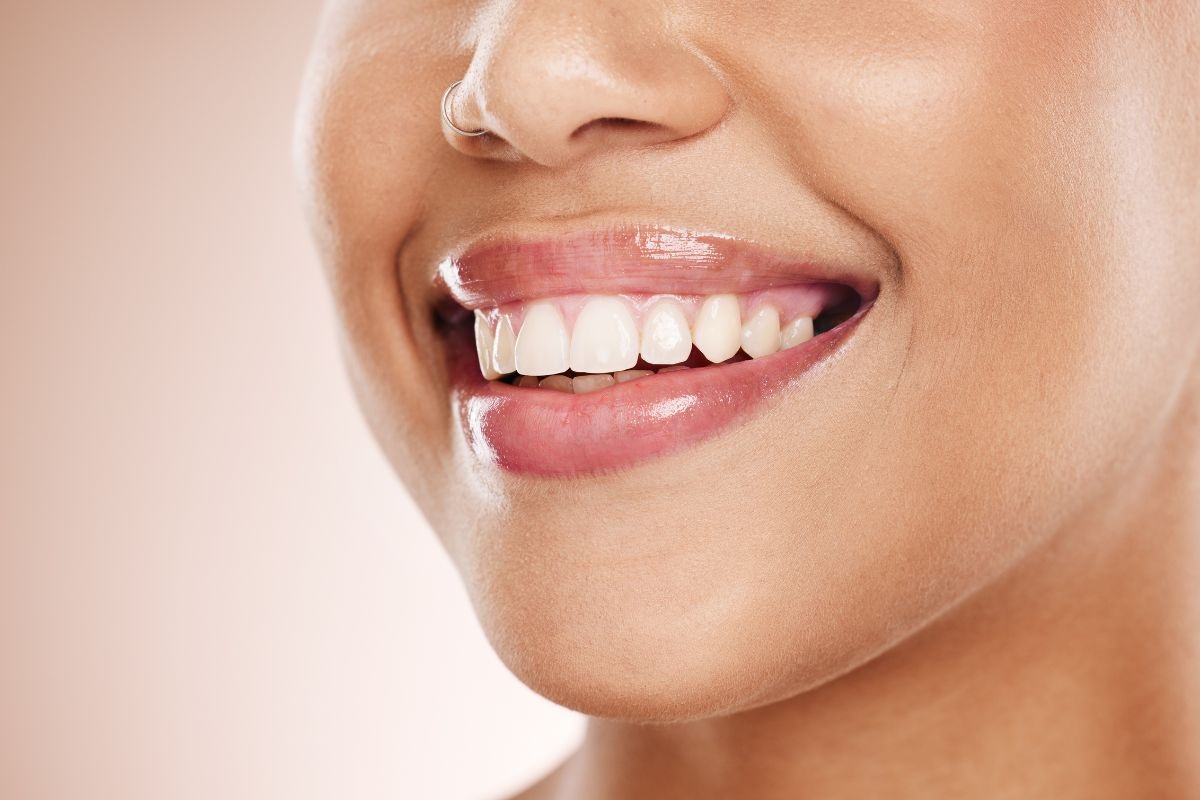
Teeth whitening isn’t bad for your teeth, as long as it’s done correctly and under the care of a dental professional. While some side effects, like sensitivity or gum irritation, may occur, these are typically temporary and avoidable with the right approach. Questions like “Does whitening damage teeth?” or “Can teeth whitening damage your teeth?” are valid, but the truth is: with professional guidance and responsible use, teeth whitening is both safe and effective.
If you’re considering a brighter smile, trust the team at Bartlesville Dental Studio. Our experienced cosmetic dentist in Bartlesville will assess your oral health, recommend the safest whitening option, and help you achieve the best results with minimal risk. Whether you’re new to whitening or seeking a touch-up, your smile is in expert hands with a trusted Bartlesville dentist.
Schedule an appointment with a leading dentist in Bartlesville, OK, today and discover how Bartlesville Dental Studio can brighten your smile with confidence.
FAQs
Q. Can Teeth Whitening Permanently Damage Teeth?
A: When used as directed, over-the-counter whitening products are generally safe. However, overuse can lead to enamel damage, gum irritation, long-term sensitivity, and excessive bleaching that strips teeth of their natural color.
Q. Why Do Dentists Not Recommend Teeth Whitening?
A: An acidic diet, dehydration, low saliva, and overuse of whiteners can speed up enamel erosion and cavities. Some dentists also note that patients may choose whitening over more lasting solutions like veneers.
Q. Is Tooth Whitening Bad for Your Teeth?
A: Teeth whitening is safe when done properly under dental guidance, but overuse can cause sensitivity, gum irritation, and enamel erosion.
Q. How Many Times a Year is it Safe to Whiten Teeth?
A: Professional teeth whitening is usually done once a year using strong bleaching agents. Overdoing it can permanently damage enamel.
Q. What is the Best Teeth Whitening that Doesn’t Damage Enamel?
A: Professional teeth whitening treatments supervised by a dentist are the safest and most effective options that don’t damage enamel. They use controlled peroxide levels and custom trays to minimize sensitivity and protect your teeth.
Q. What are the Main Teeth Whitening Disadvantages?
A: Common disadvantages of teeth whitening include tooth sensitivity, gum irritation, and temporary uneven results. Overuse or improper application can also risk enamel damage.