2320 Nowata Pl, Bartlesville, OK 74006

Dental Implant Surgery: Solutions for Missing Teeth
Request Appointment

Losing a tooth can affect much more than your smile. A missing tooth can make chewing less comfortable, change the way you speak, or leave you wondering whether dentures, a bridge, or a dental implant would be the best replacement.
For many patients, dental implant surgery in Bartlesville is an option worth discussing. A dental implant replaces the root portion of a missing tooth and can support a crown, bridge, or other restoration. Because the implant is anchored in the jawbone, it can provide a stable foundation for a replacement tooth.
Still, implants aren’t right for everyone, and the process isn’t the same for every patient. Your bone, gums, remaining teeth, overall health, and treatment goals all play a role in determining what approach makes sense.
What Are Dental Implants?
A dental implant is a small post, commonly made from titanium, that is placed into the jawbone to replace the root of a missing tooth.
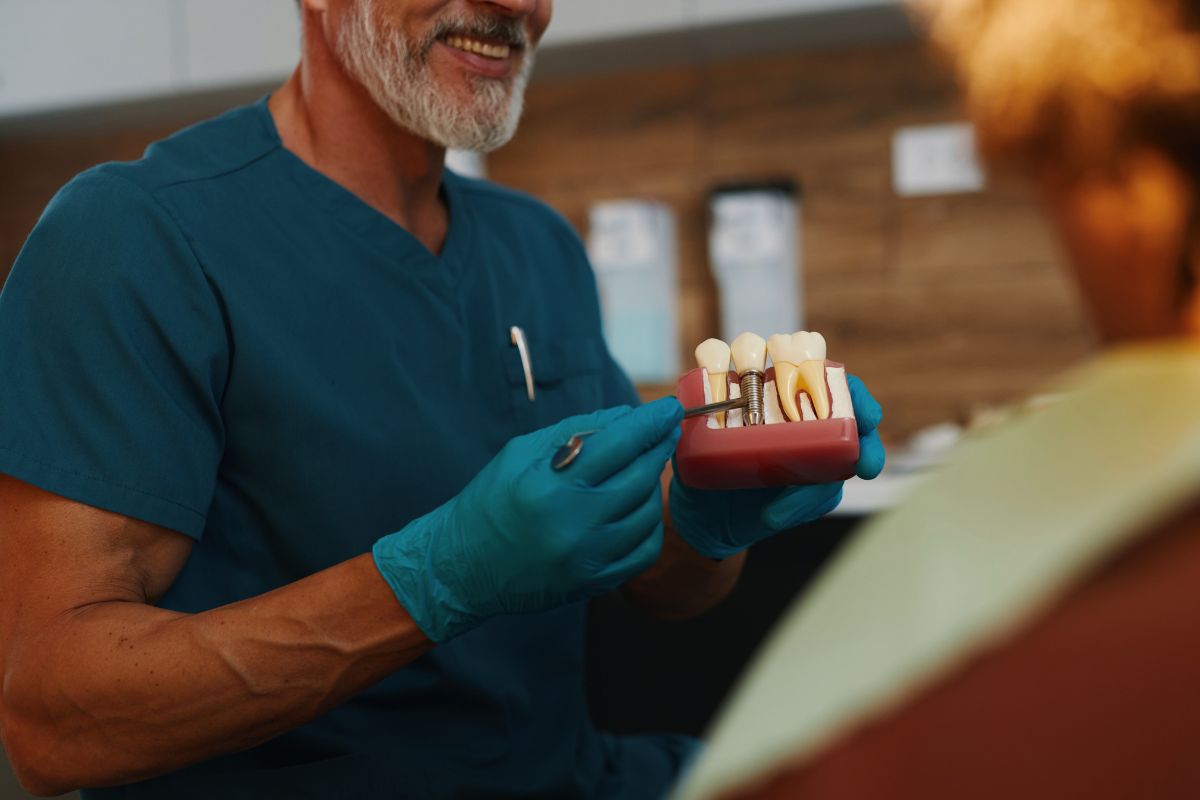
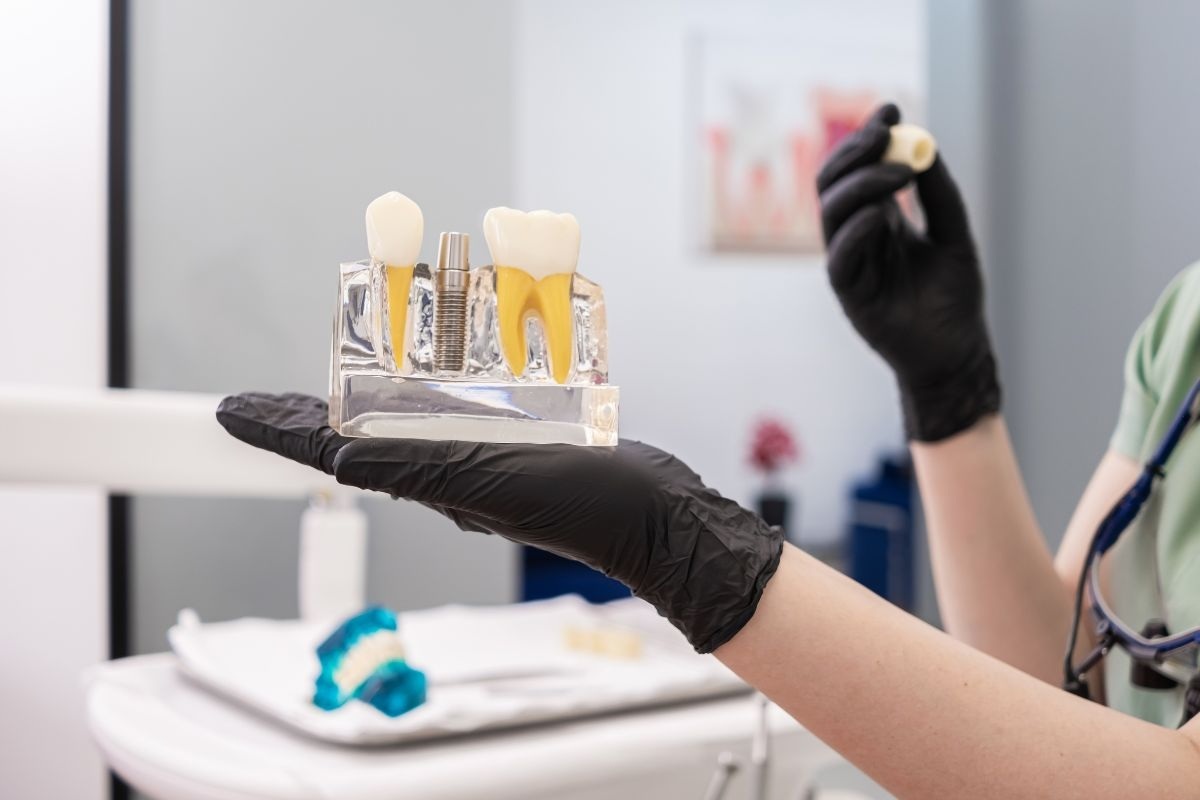
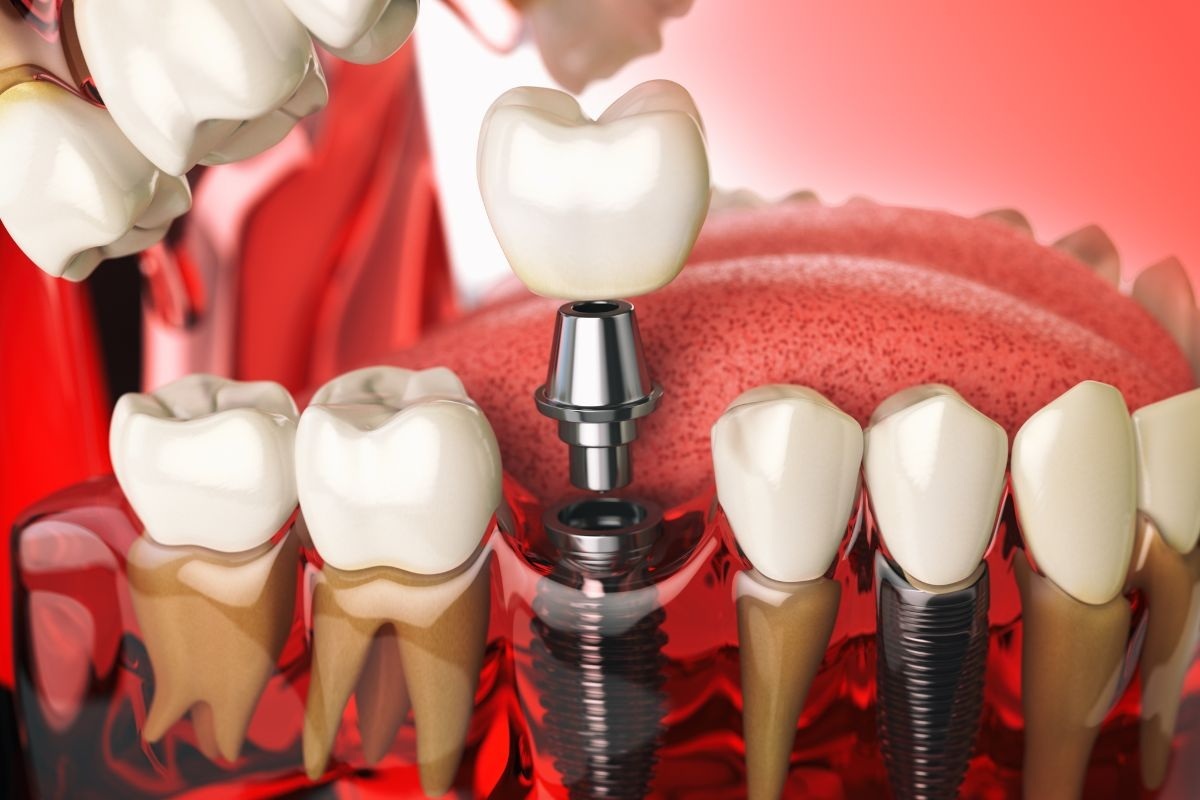
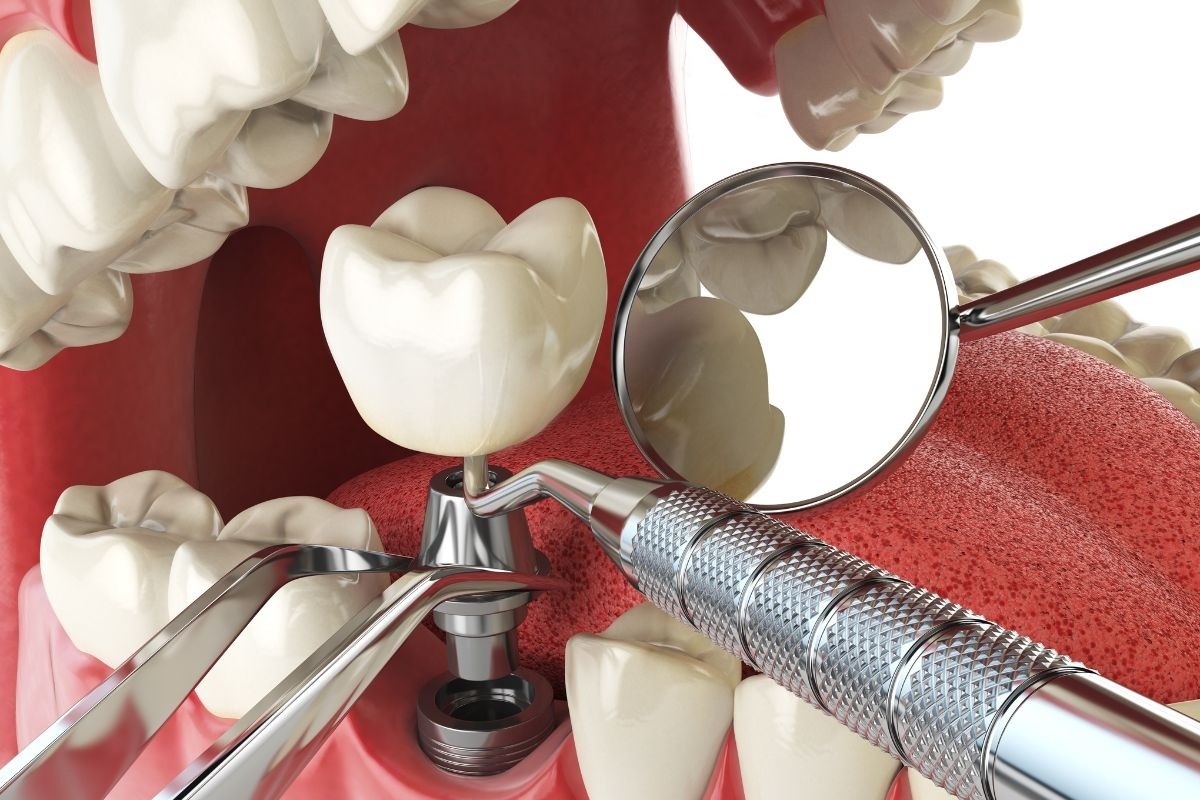
The finished restoration generally has three parts:
- Implant: The post placed in the jawbone.
- Abutment: A connector attached to the implant.
- Crown: The visible replacement tooth attached to the abutment.
Over time, the implant can integrate with the surrounding bone through a process called osseointegration. Once the implant has healed sufficiently, it can provide support for the final restoration.
For someone missing a single tooth, an individual implant and crown may be appropriate. Patients missing several teeth may have other options, including an implant-supported bridge.
Who May Be a Candidate for Dental Implants?
A missing tooth alone doesn’t automatically mean you need an implant or that you’re automatically a candidate for one.
During an implant consultation, your dentist will look at factors such as:
- The condition and amount of bone available at the implant site
- The health of your gums
- The condition of your remaining teeth
- Your medical history and medications
- Whether you smoke or use tobacco
- How well you are likely to heal
- How many teeth need to be replaced
- Your preferences and expectations for treatment
Good oral health is helpful, but some patients who initially don’t have enough bone may still be able to receive an implant after additional treatment, such as bone grafting.
Smoking and certain health conditions can affect healing and the risk of complications, so your dentist should know about your complete medical history before treatment.
If you’re considering dental implants in Bartlesville, an examination is the best way to find out whether they’re appropriate for your situation.
What Happens Before Dental Implant Surgery?
The planning stage is an important part of implant treatment. Your dentist needs to understand the condition of your jaw, gums, teeth, and the area where the implant will be placed.
Depending on your situation, your evaluation may include dental X-rays or other imaging, an examination of your gums and teeth, and a review of your medical history.
Your dentist may also need to address other dental problems before implant placement. For example, active gum disease or a severely damaged tooth may need to be treated first.
If there isn’t enough bone in the area, bone grafting may be recommended. This can add additional healing time to the overall treatment.
This planning stage is also your opportunity to ask practical questions:
- How many appointments will I need?
- Will I need a bone graft?
- What type of restoration will I receive?
- How long should treatment take?
- What will recovery be like?
- What alternatives are available?
What Is the Dental Implant Process?
Although treatment varies from person to person, the general process looks like this.
1. Examination and Treatment Planning
Your dentist evaluates the area where the tooth is missing and determines whether an implant is appropriate. Imaging may be used to assess the jawbone and plan placement.
2. Tooth Extraction, If Needed
If a damaged tooth is still present and cannot be predictably restored, it may need to be removed before or as part of implant treatment.
In some cases, implant placement can be coordinated with an extraction. In others, the area needs time to heal first.
3. Bone Grafting, If Necessary
Some patients don’t have enough bone to provide the support an implant needs. A bone graft can sometimes improve the available foundation.
Not everyone needs a graft, so this is determined during treatment planning.
4. Implant Placement
During implant surgery, the implant post is placed into the jawbone. Local anesthesia is commonly used to keep the treatment area numb. Sedation may also be discussed when appropriate.
After placement, the implant needs time to heal and integrate with the surrounding bone before it is used to support the final restoration.
5. Healing and Osseointegration
This is the part that requires patience.
The implant needs time to become sufficiently integrated with the bone. The healing period varies from patient to patient and depends on factors such as the location of the implant, bone quality, and whether additional procedures were performed.
Because of this healing stage, the complete dental implant process often takes several months rather than being completed in one appointment.
6. Abutment and Final Crown
Once the implant has healed appropriately, an abutment can be connected to it. The final crown is then designed to fit your bite and complement your surrounding teeth.
The goal is a replacement that feels secure and functions comfortably as part of your smile.
What Is Recovery Like After Implant Surgery?
It’s normal to have some soreness, swelling, bruising, or minor bleeding after implant surgery. How much discomfort you experience depends partly on the extent of the procedure and your individual healing response.
Your dental team will provide specific instructions for caring for the surgical area. Depending on the procedure, you may be advised to eat softer foods temporarily and avoid putting unnecessary pressure on the area while it heals.
For the first few days, it can help to plan for a quieter schedule and follow your dentist’s instructions closely.
You should contact your dental office if you experience symptoms that are worsening rather than improving, significant bleeding that doesn’t stop with appropriate pressure, or other concerns after surgery.
What Are the Risks of Dental Implant Surgery?
Dental implant surgery has a good track record, but no surgical procedure is completely risk-free.
Potential complications can include:
- Infection
- Problems with healing or integration of the implant
- Damage or irritation involving nearby nerves
- Sinus-related complications with some upper-jaw implants
- Implant loosening or failure
- Complications involving the gums or surrounding bone
The likelihood of a particular complication depends on the patient’s anatomy, health, implant location, surgical approach, and other factors.
That is why careful planning matters. Your dentist should explain the benefits, limitations, alternatives, and potential risks before you decide whether to proceed.
How Do Dental Implants Compare With Dentures or Bridges?
Dental implants aren’t the only way to replace missing teeth.
A traditional bridge uses neighboring teeth for support, while an implant-supported restoration uses implants anchored in the jawbone.
Dentures are removable and can replace several teeth or an entire arch, depending on the design.
Implants may offer an advantage for patients who want a fixed restoration and have suitable conditions for implant treatment. However, the best option depends on your oral health, anatomy, budget, treatment goals, and personal preferences.
There isn’t one replacement option that is ideal for every patient.
How Much Do Dental Implants Cost?
The cost of dental implants varies from one patient to another. Factors can include:
- The number of teeth being replaced
- The type of restoration
- Whether tooth extraction is necessary
- Whether bone grafting is needed
- The complexity of treatment
- The materials used for the final restoration
For that reason, a meaningful estimate usually requires an examination and treatment plan rather than a one-size-fits-all price.
If you’re comparing implant treatment with dentures or a bridge, ask what is included in the quoted treatment cost and whether additional procedures may be necessary.
How Do You Care for Dental Implants?
A dental implant isn’t a replacement for good oral hygiene.
Once your restoration is in place, you should continue brushing and cleaning between your teeth as recommended by your dental team. Regular dental visits are also important so the implant, gums, and remaining natural teeth can be monitored.
Although the implant itself cannot develop a cavity like a natural tooth, the tissues around it can still develop problems. Keeping those tissues healthy is an important part of protecting your investment.
Frequently Asked Questions
Is dental implant surgery painful?
During implant placement, local anesthesia is used to numb the treatment area, so you should not feel the surgical procedure itself. Some soreness, swelling, or tenderness afterward is normal. The amount of discomfort varies depending on the extent of treatment.
How long does dental implant surgery take?
The surgical placement itself may be relatively short for a single implant, but the complete treatment takes longer because the implant needs time to heal and integrate with the jawbone. Additional procedures can extend the timeline.
Do I need a bone graft before getting an implant?
Not necessarily. Some patients have enough bone for implant placement, while others may need bone grafting to create a suitable foundation. Your dentist can determine this during the planning process.
Can I get an implant if I have gum disease?
Active gum disease should generally be addressed before implant placement. Healthy gums and supporting tissues are important for maintaining an implant over the long term.
Are dental implants permanent?
Dental implants are designed as a long-term tooth replacement, but they aren’t maintenance-free. The implant and restoration can develop complications or require repair over time, so regular professional care and good home hygiene remain important.
What happens if I wait to replace a missing tooth?
The consequences of delaying tooth replacement vary. Over time, the jawbone in an area where a tooth has been lost can change, and neighboring teeth can shift. Your dentist can explain what may happen in your particular situation and whether waiting is reasonable.
Can dental implants replace several missing teeth?
Yes. Depending on the number and location of missing teeth, treatment may involve individual implants, an implant-supported bridge, or another implant-supported restoration.
Considering Dental Implants in Bartlesville?
If you’re living with a missing tooth, loose dentures, or an uncomfortable gap in your smile, you don’t have to decide on a treatment option without professional guidance.
A consultation can help you understand whether dental implant surgery in Bartlesville is appropriate for your oral health and what the treatment process would look like in your particular case.
Bartlesville Dental Studio provides dental implant care in Bartlesville, OK, with treatment planned around each patient’s needs and oral health. You can learn more about the available treatment options through the practice’s dental implants in Bartlesville service page or schedule a consultation to discuss your options.