2320 Nowata Pl, Bartlesville, OK 74006

Why 3-Month Cleanings Might Save Your Teeth
Request Appointment

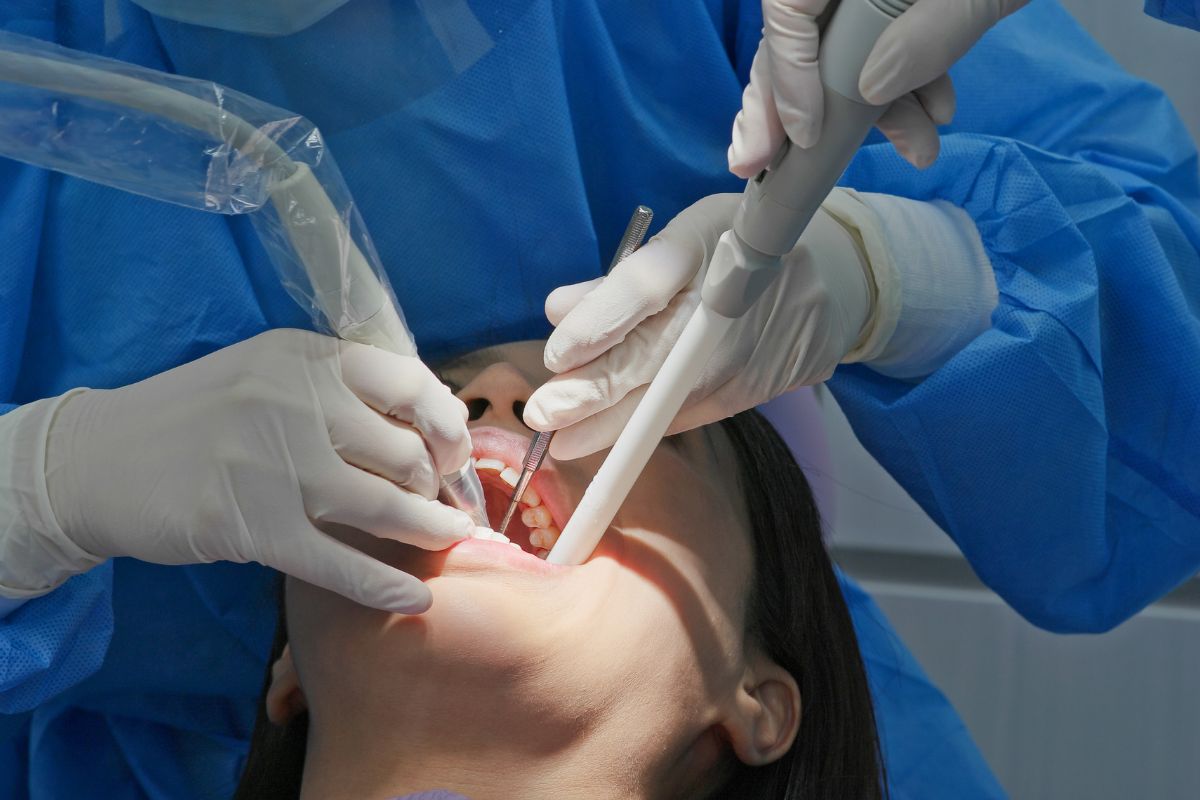
Most people grow up hearing that dental checkups should happen every six months. While this schedule works well for many individuals, some patients may need more frequent cleanings to maintain healthy teeth and gums. In certain cases, dental professionals recommend visits every three to four months instead of twice a year.
Patients who search online for a dentist near me are sometimes surprised when they learn they need more frequent cleanings. However, this recommendation is usually based on the condition of the gums and the risk of gum disease. For individuals with a history of periodontal problems, more frequent cleanings can play an important role in protecting long-term oral health.
Understanding the difference between routine dental cleanings and deeper periodontal treatments can help patients make informed decisions about their dental care. In communities like Bartlesville, where many residents prioritize preventive health and regular checkups, these visits can make a meaningful difference in preserving healthy smiles.
Understanding the Purpose of Routine Dental Cleanings
Routine dental cleanings are one of the most important parts of preventive dental care. Even individuals who brush and floss regularly at home can develop plaque buildup in hard-to-reach areas.
During a routine cleaning appointment, dental hygienists remove plaque and tartar that accumulate on the teeth. These deposits can harden over time and contribute to gum irritation and tooth decay if left untreated.
A typical cleaning appointment may include:
- Removing plaque and tartar from the teeth
- Polishing tooth surfaces
- Flossing between teeth
- Evaluating gum health
- Reviewing oral hygiene habits
These visits help maintain oral health by preventing problems before they become serious. Regular visits to dentists allow dental professionals to monitor changes in the teeth and gums and address concerns early.
For many people, this preventive approach is the reason they search for a trusted dentist near me when establishing routine dental care.
What Happens When Plaque Is Not Removed
Plaque is a sticky film of bacteria that naturally forms on the teeth throughout the day. When plaque is not removed through brushing and flossing, it can harden into tartar.
Tartar is much more difficult to remove and can only be cleaned by dental professionals. Over time, plaque and tartar buildup can irritate the gums and lead to inflammation.
If the condition progresses, it can develop into gum disease.
Gum disease is one of the most common oral health problems among adults. Left untreated, it can lead to more serious complications, including tooth loss.
Because gum disease often develops slowly, many patients do not notice symptoms until the condition becomes more advanced.
Advanced Gum Disease: Periodontitis
If gingivitis is not treated, it may progress into a more serious condition called periodontitis.
During periodontitis, bacteria spread beneath the gumline and begin damaging the tissues and bone that support the teeth.
Symptoms of periodontitis may include:
- Gum recession
- Deep pockets forming between teeth and gums
- Loose teeth
- Pain while chewing
- Chronic bad breath
As the disease progresses, the supporting bone around the teeth may deteriorate. This can eventually lead to tooth loss if not treated properly.
Because of this risk, dentists often recommend more frequent cleanings for patients who have experienced periodontal disease.
What Is Deep Cleaning (Scaling and Root Planing)?
When gum disease develops, routine dental cleanings may no longer be sufficient to remove bacteria beneath the gumline. In these situations, dentists may recommend a deeper periodontal procedure called scaling and root planing.
Scaling and root planing is often referred to as a “deep cleaning.”
This procedure involves two important steps.
Scaling
Scaling removes plaque and tartar from the tooth surfaces and from beneath the gumline.
Root Planing
Root planing smooths the surfaces of the tooth roots, which helps the gums reattach to the teeth and makes it harder for bacteria to accumulate again.
Unlike routine cleanings, deep cleanings focus on eliminating bacteria below the gumline where gum disease develops.
Patients searching for a dentist near me often receive this treatment recommendation when early signs of periodontal disease are detected.
Why Some Patients Need Cleanings Every Three Months
After deep cleaning treatment, dentists may recommend more frequent maintenance visits to keep gum disease under control.
These visits are often scheduled every three or four months instead of the traditional six-month schedule.
The reason for this recommendation relates to how quickly bacteria can repopulate the mouth.
Research suggests that harmful bacteria responsible for gum disease can begin to reestablish themselves within several months after cleaning. By scheduling cleanings every three months, dentists can remove bacteria before it causes further damage.
More frequent cleanings may be recommended for patients who:
- Have a history of gum disease
- Have deeper gum pockets
- Experience frequent plaque buildup
- Smoke or use tobacco
- Have certain medical conditions, such as diabetes
Regular visits to dentists for periodontal maintenance help control inflammation and reduce the risk of gum disease progression.
Signs That You May Need More Frequent Dental Cleanings
Some patients may benefit from more frequent cleanings even if they are not currently experiencing advanced gum disease.
Signs that additional dental care may be needed include:
- Gums that bleed when brushing or flossing
- Persistent bad breath
- Gum swelling or tenderness
- Visible plaque buildup along the gumline
- Gum recession
- Loose teeth
If these symptoms appear, scheduling an appointment with a dentist near me can help determine whether more frequent cleanings are appropriate.
What to Expect During Periodontal Maintenance Visits
Periodontal maintenance visits are similar to routine dental cleanings but may involve additional attention to gum health.
During these appointments, dental professionals may:
- Clean around deeper gum pockets
- Remove plaque and tartar beneath the gumline
- Monitor gum measurements
- Evaluate signs of inflammation
- Review home oral hygiene techniques
These visits are designed to keep bacteria under control and protect the structures that support the teeth.
Patients who follow their recommended cleaning schedule often experience better long-term dental outcomes.
Daily Habits That Support Gum Health
While professional dental care plays a major role in preventing gum disease, daily habits at home are equally important.
Maintaining healthy gums involves:
Brushing Twice Daily
Brushing with fluoride toothpaste helps remove plaque from tooth surfaces and along the gumline.
Flossing Every Day
Flossing removes plaque and food particles from between teeth where toothbrush bristles cannot reach.
Maintaining a Balanced Diet
Healthy foods that are rich in vitamins and minerals support gum health and overall wellness.
Avoiding Tobacco Products
Smoking increases the risk of gum disease and can interfere with the body’s ability to heal.
Staying Consistent with Dental Visits
Regular visits to dentists help ensure that oral health problems are detected early.
Preventive Dental Care for Bartlesville Residents
Residents of Bartlesville value preventive healthcare and maintaining active lifestyles. Just as regular medical checkups help monitor overall health, routine dental visits are essential for protecting oral health.
Preventive dental care helps reduce the risk of gum disease, cavities, and other oral health problems that can develop over time.
When patients maintain consistent dental appointments and follow recommended hygiene practices, they often avoid more complex dental procedures in the future.
Many individuals begin their search for preventive care by looking for a dentist near me who focuses on long-term dental health and patient education.
Final Thoughts
Routine dental cleanings play a critical role in maintaining healthy teeth and gums. While many people benefit from six-month checkups, some patients require more frequent visits to prevent or manage gum disease.
Three-month cleanings help remove harmful bacteria before they cause further damage to the gums and supporting bone. Combined with good oral hygiene at home, these visits can significantly reduce the risk of tooth loss and other complications.
If you have noticed bleeding gums, persistent plaque buildup, or other signs of gum disease, consulting a dental professional can help determine the best treatment plan.
For individuals searching online for a trusted dentist near me or experienced dentists who focus on preventive care, establishing a relationship with a reliable dental practice can help protect your smile for years to come.
At Bartlesville Dental Studio, patients receive comprehensive dental care designed to support healthy gums and long-term oral health.
Contact Bartlesville Dental Studio at 539-357-5301 today to schedule your dental appointment and learn how regular cleanings can help protect your teeth and maintain a healthy smile.